

The disconcerting sensation of hearing sounds as doubled, distorted, or out of tune can be deeply unsettling, particularly when it emerges unexpectedly. Diplacusis, often referred to as "double hearing," is not typically a standalone diagnosis but rather a symptom or a subjective auditory experience. Identifying its root cause and exploring potential treatment or management strategies necessitates consultation with a qualified professional, such as an audiologist, an ENT (Ear, Nose, and Throat) specialist, or another healthcare provider.
What is Diplacusis?
At its core, diplacusis is a hearing symptom characterized by the perception of a single sound as two distinct entities. This duality can manifest as a difference in pitch, an echo-like repetition, or a combination of both. While colloquially known as "double hearing," the medical term, diplacusis, precisely describes this phenomenon. The impact of diplacusis can significantly disrupt everyday life, affecting crucial aspects such as understanding spoken language, enjoying music, engaging in phone conversations, responding to alarms, and navigating social interactions in noisy environments.
The physiological basis of diplacusis often lies in the transmission of mismatched auditory information from the ears to the brain. This can occur at various points in the auditory pathway, including the ears themselves, the cochlea (the inner ear’s sensory organ for hearing), the auditory nerve, or the neural pathways responsible for processing sound. Underlying factors contributing to this auditory mismatch can range from common issues like earwax blockage and ear infections to more complex conditions such as sudden hearing loss, loud noise exposure, inner ear disorders, or other medically significant causes.

What Does Double Hearing Sound Like?
Describing the subjective experience of double hearing can be challenging for those affected. However, common descriptions and reported symptoms provide insight into the nature of this auditory distortion. Individuals may notice:
- Pitch Distortion: A single note or sound is perceived as two notes with different pitches, one higher or lower than the other.
- Echoes or Repetitions: A sound is heard not just once, but as a delayed echo or a distinct repetition.
- Out-of-Tune Perception: Music or speech may sound discordant, as if instruments or voices are not harmonizing correctly.
- Asymmetrical Perception: The same sound might be perceived differently in each ear, leading to a feeling of imbalance or a disorienting auditory landscape.
These symptoms can be particularly pronounced when listening to pure tones, instrumental music, audible alarms, spoken language, audio transmitted via telephone, or sounds delivered through headphones. The brain’s ability to accurately interpret and fuse these signals is compromised, leading to the characteristic diplacusis experience.
Types of Diplacusis
Diplacusis can be categorized based on how the auditory system processes sound and the affected ear(s). The primary classifications highlight the nature of the distortion and its localization:
| Main Category | Subtype | What It Means | What It May Feel Like |
|---|---|---|---|
| Diplacusis binauralis | Echoica | The same sound reaches the two ears at different times. | Sounds seem delayed or echoed. |
| Diplacusis binauralis | Dysharmonica | The same sound is perceived at different pitches in the two ears. | Music or voices may sound different from left to right or out of tune. |
| Diplacusis monauralis | Dysharmonica | Within one ear, a single sound may be perceived as two tones or pitches. | One ear may hear a double sound or an out-of-tune sound. |
Diplacusis Dysharmonica
Diplacusis dysharmonica is perhaps the most commonly understood form of double hearing, characterized by a noticeable pitch mismatch. An individual might hear a specific musical note at its correct pitch in one ear, while the same note is perceived as higher, lower, or less clear in the other ear. This disparity can be particularly distressing for musicians or individuals with a keen sensitivity to pitch. The underlying causes are often linked to asymmetric hearing loss, sensorineural hearing loss (damage to the inner ear or auditory nerve), or alterations in how the inner ear processes sound frequencies. Currently, there is no universally guaranteed treatment for diplacusis dysharmonica; management strategies are contingent upon addressing the root cause.

Diplacusis Echoica
Diplacusis echoica, conversely, relates to a discrepancy in the timing of sound perception. A single auditory event may be perceived as a repetition, an echo, or as if it arrives at slightly different moments in each ear. This temporal distortion can significantly impede speech comprehension, especially in environments with background noise, where the brain is already tasked with segregating speech from other sounds. The added complexity of timing discrepancies further challenges auditory processing.
What Causes Diplacusis?
The fundamental cause of diplacusis is a disruption in the symmetrical transmission and processing of auditory information to the brain. When the ears, cochlea, auditory nerve, or central auditory pathways fail to send consistent signals, the brain struggles to interpret a single, coherent sound. This can stem from a variety of factors, including:
- Earwax Blockage: Excessive earwax can physically obstruct the ear canal, altering sound conduction and potentially causing a temporary perception of diplacusis.
- Ear Infections: Middle ear infections (otitis media) or inner ear infections can lead to fluid buildup or inflammation, affecting sound transmission and perception.
- Congestion: Nasal or Eustachian tube congestion, often associated with colds or allergies, can impact middle ear pressure and function, indirectly influencing hearing.
- Sudden Hearing Loss: A rapid, unexplained loss of hearing in one or both ears is a serious medical condition that can manifest with diplacusis as a prominent symptom. Prompt medical attention is crucial in such cases.
- Loud Noise Exposure: Acute exposure to extremely loud noises (acoustic trauma) or chronic exposure to high sound levels can damage the delicate hair cells in the cochlea, leading to hearing loss and distorted auditory perception, including diplacusis.
- Inner Ear Disorders: Conditions affecting the cochlea or the vestibular system, such as Meniere’s disease, can disrupt the intricate mechanisms of hearing and balance.
- Ototoxic Medications: Certain medications are known to be toxic to the inner ear and can cause hearing damage and related symptoms.
- Head Trauma: Injuries to the head can affect the auditory system, including the inner ear and auditory pathways.
- Ménière’s Disease: This inner ear disorder is characterized by fluctuating hearing loss, tinnitus, vertigo, and a feeling of fullness in the ear, and can be associated with diplacusis.
- Acoustic Neuroma: A benign tumor on the auditory nerve can compress the nerve, leading to progressive hearing loss, tinnitus, and often, diplacusis.
- Other Medical Conditions: Neurological disorders or systemic diseases can sometimes impact auditory function.
The duration of diplacusis is highly variable, depending entirely on the underlying cause. Temporary conditions like earwax impaction, congestion, or acute ear infections may resolve, leading to a disappearance of diplacusis symptoms. However, if diplacusis is associated with permanent hearing loss, such as sensorineural hearing loss resulting from aging, noise exposure, or genetic factors, the symptoms may persist and require ongoing management.
The onset of diplacusis, especially when sudden and accompanied by other symptoms like sudden hearing loss or muffled hearing in one ear, warrants immediate medical evaluation. Early diagnosis and intervention can be critical in managing potentially serious underlying conditions.
Can Diplacusis Happen in One Ear?

Yes, diplacusis can indeed manifest in a single ear, a condition referred to as monaural diplacusis. This occurs when the auditory processing within one ear is compromised, leading to the perception of a single sound as two distinct entities or with altered pitch. The affected ear might be experiencing a blockage, infection, hearing loss, trauma, or another localized auditory issue.
Symptoms experienced in just one ear should not be disregarded, particularly if they emerge suddenly. A comprehensive hearing test conducted by an audiologist is essential to determine the nature of the problem, distinguishing between conductive hearing loss (affecting the outer or middle ear), sensorineural hearing loss (affecting the inner ear or auditory nerve), or mixed hearing loss. When one ear functions significantly differently from the other, the brain faces a greater challenge in integrating the auditory input into a unified and clear listening experience, potentially exacerbating the perception of diplacusis.
How Long Does Diplacusis Last?
The prognosis for diplacusis is intrinsically tied to its underlying cause. There is no universal timeline for its resolution. In cases where diplacusis is a consequence of a temporary condition, such as earwax buildup, fluid in the middle ear, or a common ear infection, the symptoms often subside as the underlying issue is treated or resolves naturally, which can take days or weeks.
However, if diplacusis is linked to more persistent or permanent auditory changes, such as sudden sensorineural hearing loss, acoustic trauma, or age-related hearing degradation, the symptoms may endure for a longer period and necessitate a strategic management plan. The persistence and severity of diplacusis are key indicators for healthcare professionals to assess the underlying pathology and guide appropriate interventions.
When diplacusis is sudden, persistent, or worsening, or if it affects only one ear, prompt consultation with a qualified healthcare provider is strongly advised. For individuals experiencing chronic diplacusis, adaptation can sometimes occur over time through various forms of auditory support, including sound therapy, auditory rehabilitation programs, and other personalized strategies.
How Is Diplacusis Diagnosed?
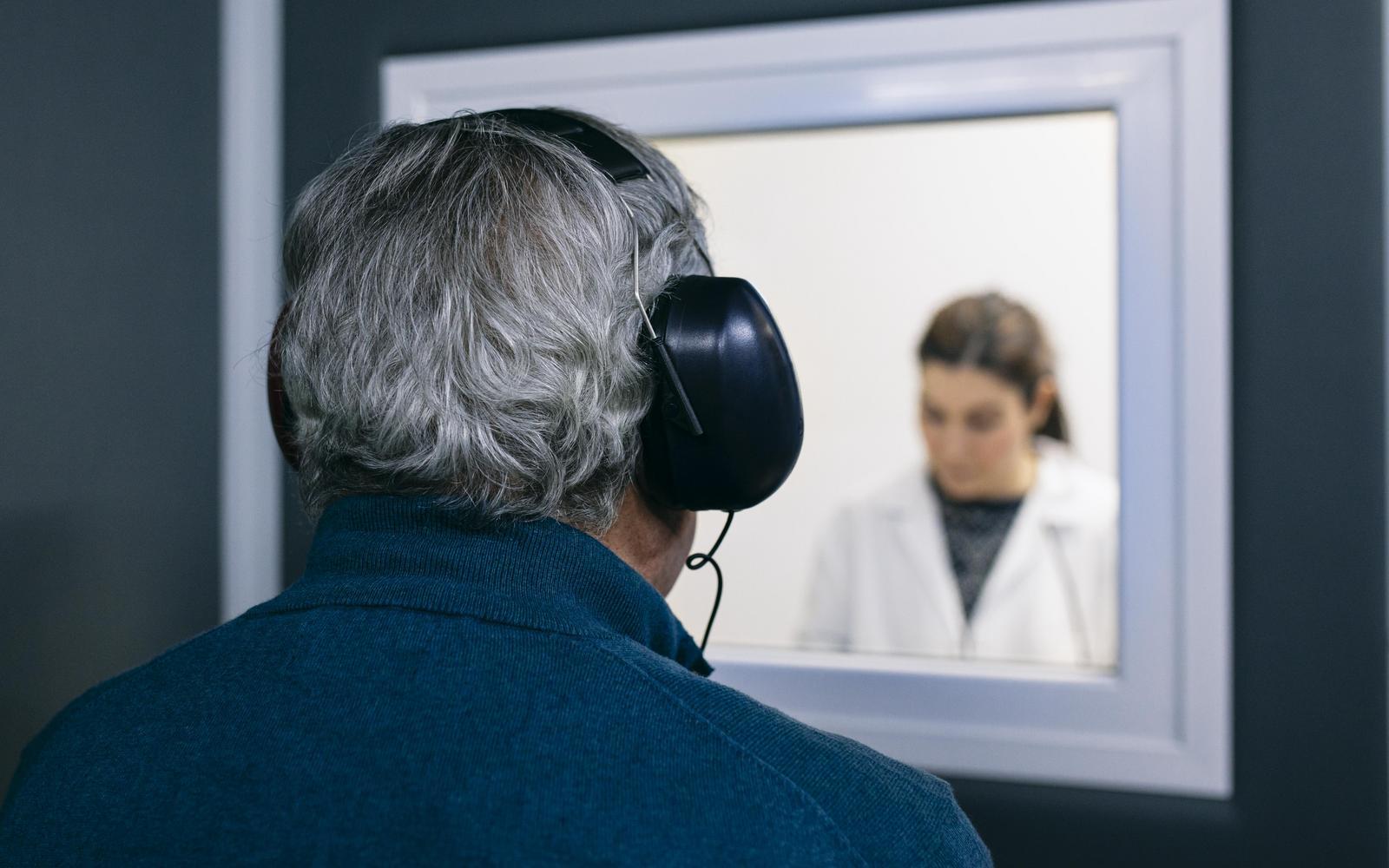
Diagnosing diplacusis involves a thorough assessment by a healthcare professional, typically an audiologist or an ENT specialist. The diagnostic process usually begins with a detailed patient history, where the clinician will inquire about the onset and duration of symptoms, whether one or both ears are affected, and the presence of associated symptoms. These may include:
- Tinnitus: Ringing, buzzing, or other phantom sounds in the ears.
- Dizziness or Vertigo: A sensation of spinning or unsteadiness.
- Ear Fullness: A feeling of pressure or blockage in the ear.
- Ear Pain: Discomfort or pain in the ear.
- Infection Symptoms: Fever, discharge, or other signs of an ear infection.
- Recent Loud Noise Exposure: A history of exposure to loud sounds.
- Head Trauma: Any recent injuries to the head.
- Medication Changes: Any new medications or changes in dosage.
A physical examination of the ear canal and eardrum is crucial to identify any visible obstructions like earwax, signs of fluid, infection, or eardrum abnormalities.
Auditory assessments are a cornerstone of diagnosis. These typically include:
- Pure Tone Audiometry: This standard hearing test measures an individual’s ability to hear pure tones at different frequencies and intensities, helping to identify the presence and degree of hearing loss.
- Speech Testing: This evaluates how well a person can understand spoken words at various volumes, providing insight into their ability to communicate effectively.
- Pitch Matching: In cases of diplacusis dysharmonica, specific tests may be employed to precisely match the perceived pitches of sounds, helping to quantify the pitch discrepancy between ears or within a single ear.
- Other Audiological Tests: Depending on the initial findings, more specialized tests might be conducted to further investigate the function of the auditory nerve and central auditory pathways.
Referral to an ENT specialist is often recommended if the symptoms of diplacusis are sudden in onset, unilateral (affecting only one side), medically complex, or accompanied by significant symptoms such as dizziness, pain, ear discharge, or neurological signs. This ensures a comprehensive medical evaluation to rule out serious underlying conditions.
Diplacusis Treatment and Management Options

There is no universal "cure" for diplacusis, as the most effective approach is intrinsically linked to the identified underlying cause. Management strategies are tailored to the specific diagnosis and may encompass a range of interventions.
Treatment for Temporary Causes
If diplacusis is attributed to transient issues such as earwax impaction, middle ear fluid, nasal congestion, or an ear infection, the symptoms are likely to improve or resolve once the primary condition is effectively treated.
- Professional Earwax Removal: If excessive earwax is the culprit, a healthcare professional can safely and effectively remove it, restoring normal sound conduction. It is crucial to avoid DIY methods like cotton swabs or ear candling, which can potentially worsen irritation, push wax deeper, or cause injury.
- Medical Treatment for Infections: Antibiotics or other medications prescribed by a doctor can clear ear infections and reduce inflammation, alleviating associated auditory disturbances.
- Decongestants and Allergy Treatment: For congestion-related issues, over-the-counter or prescription medications may help to open the Eustachian tube and equalize middle ear pressure.
Treatment When Hearing Loss Is Involved
When diplacusis is a symptom of underlying hearing loss, the management plan shifts to addressing the hearing impairment itself. An audiologist or ENT specialist may discuss several options:
- Hearing Aids: For individuals with mild to moderate hearing loss, hearing aids can amplify sounds, making them clearer and potentially reducing the perception of double hearing by providing a more balanced auditory input. While hearing aids do not directly "cure" diplacusis, they can significantly improve overall listening comfort and communication ability.
- Sound Therapy and Auditory Training: These therapeutic approaches aim to retrain the brain’s auditory processing centers. They involve listening to specific sound patterns or engaging in structured listening exercises designed to improve the brain’s ability to interpret and differentiate sounds, which can be beneficial in managing distorted auditory perceptions.
- Tinnitus Management: If tinnitus is present alongside diplacusis, a combined management strategy may be employed. This often involves sound therapy, counseling, and other techniques to reduce the perception and impact of both symptoms.
When Hearing Technology May Be Part of the Conversation
In cases where diplacusis is associated with permanent and significant hearing loss, more advanced hearing technologies might be considered after a thorough professional assessment.
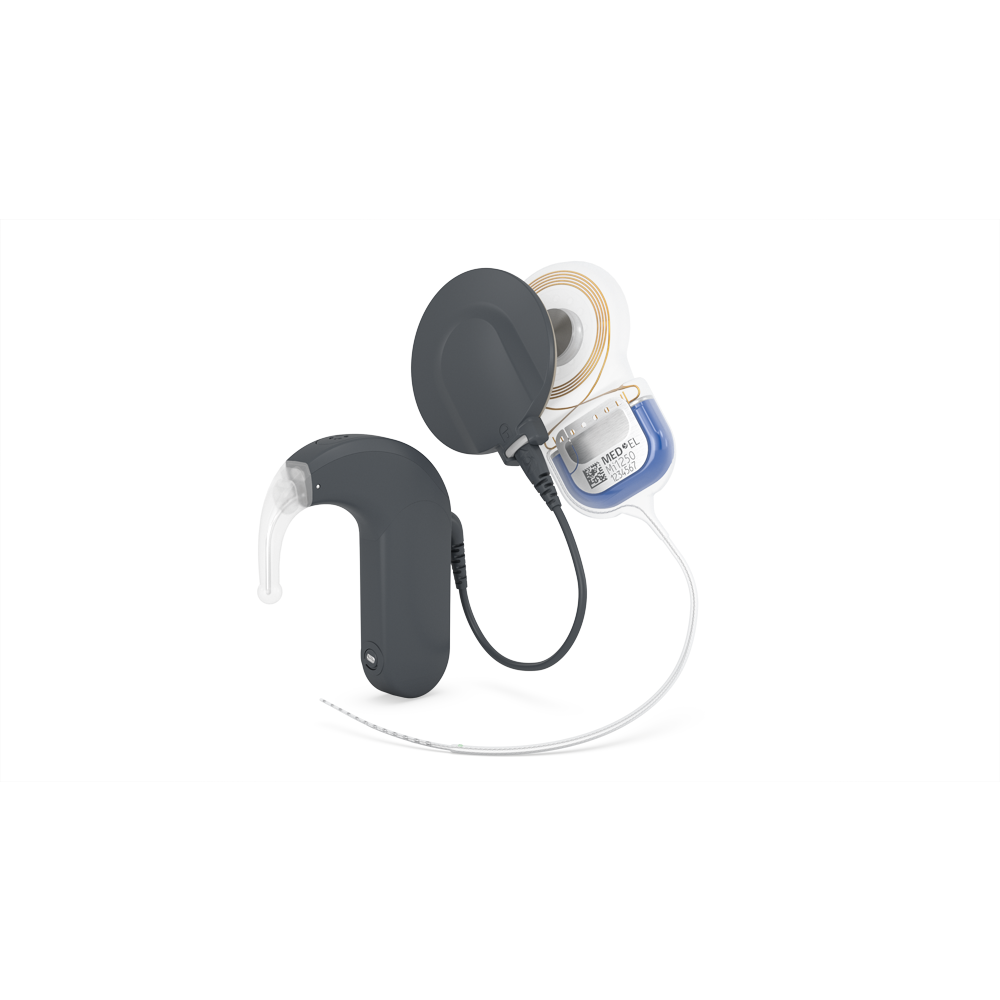
- Cochlear Implants: For individuals with severe-to-profound sensorineural hearing loss, or those experiencing single-sided deafness, cochlear implants may be a viable option. These sophisticated devices bypass damaged parts of the inner ear and directly stimulate the auditory nerve, providing a pathway for sound to reach the brain. While not a direct treatment for diplacusis, by restoring a more robust auditory signal, cochlear implants can sometimes mitigate the perception of double hearing for eligible candidates.
When Should You Get Medical Help?
Immediate medical attention is crucial if diplacusis is accompanied by any of the following urgent symptoms:
- Sudden Hearing Loss: A rapid, unexplained decrease in hearing ability.
- Sudden Onset of Dizziness or Vertigo: A sudden feeling of spinning or severe imbalance.
- Severe Ear Pain: Intense pain in the ear that is not improving.
- Ear Drainage: Discharge from the ear, especially if it is bloody or accompanied by fever.
- Facial Weakness or Numbness: Any loss of sensation or motor control on one side of the face.
- Vision Disturbances: Blurred vision, double vision, or loss of vision.
- Difficulty Speaking or Swallowing: Impaired speech or the inability to swallow properly.
- Severe Headache: A sudden, intense headache, especially if accompanied by other neurological symptoms.
For individuals experiencing persistent, worsening, or significantly bothersome diplacusis symptoms that do not fall into the urgent category, scheduling an appointment with an audiologist, ENT specialist, or other qualified healthcare professional is essential. Early diagnosis and intervention are key to managing the condition effectively and addressing any underlying health concerns.
Key Takeaways
- Diplacusis, or "double hearing," is the perception of a single sound as two distinct sounds, often differing in pitch or with an echo-like quality.
- It can affect one ear (monaural) or both ears (binaural), with binaural diplacusis often involving pitch mismatches (dysharmonica) or timing differences (echoica).
- Common causes include earwax blockage, ear infections, congestion, sudden hearing loss, loud noise exposure, and inner ear disorders.
- The duration of diplacusis is dependent on the underlying cause; temporary issues may resolve, while those linked to permanent hearing loss may require ongoing management.
- Diagnosis involves a comprehensive medical history, physical ear examination, and audiological tests such as pure tone audiometry and speech testing.
- Treatment strategies are cause-specific and may include earwax removal, medical treatment for infections, hearing aids, sound therapy, auditory training, and in select cases, cochlear implants.
- Urgent medical evaluation is necessary if diplacusis is accompanied by sudden hearing loss, severe dizziness, ear pain, drainage, or neurological symptoms.
Frequently Asked Questions
Is diplacusis the same as tinnitus?
No. Diplacusis and tinnitus are distinct auditory phenomena, although they can coexist. Tinnitus is the perception of sound (e.g., ringing, buzzing) in the absence of an external sound source. Diplacusis, on the other hand, involves the distorted perception of an actual external sound, heard as doubled, echoed, or out of tune.
Can earwax cause double hearing?
Yes, significant earwax buildup can obstruct the ear canal and alter how sound waves reach the eardrum, potentially leading to a temporary perception of double hearing or other auditory distortions. However, earwax is just one of many possible causes, and a professional evaluation is needed to determine the exact reason.
Can diplacusis go away?
Diplacusis may resolve if the underlying cause is temporary, such as earwax impaction, fluid in the middle ear, or a treatable infection. If it is related to permanent hearing loss or damage to the auditory system, it may persist and require ongoing management rather than a simple cure. A professional assessment is crucial to determine the prognosis and appropriate next steps.

The content on this website is for general informational purposes only and should not be taken as medical advice. Contact your doctor or hearing specialist to learn what type of hearing solution suits your specific needs. Not all products, features, or indications are approved in all countries. © MED-EL Medical Electronics. All rights reserved.