The Strategic Framework: Embedding Accessibility at the Structural Level
For organizations beginning their journey toward digital inclusivity, the GDS experts emphasize that accessibility cannot exist in a vacuum. Becky Ashley notes that successful implementation requires embedding these principles at every organizational level and across all skill sets. This involves a combination of structured internal workflows and a cultural shift toward a "collective mindset." According to Ashley, intuitive and inclusive design is the natural byproduct of a clear, shared process that prioritizes the user’s journey from the outset.
Supporting this strategic view, Sally Creasey highlights the necessity of stakeholder advocacy. In a professional landscape often driven by rapid delivery cycles, the risk of bypassing user-centered research is high. Creasey argues that by involving stakeholders and colleagues in the IA process—sharing sitemaps, ontologies, and knowledge organization systems early—teams can build the necessary confidence and understanding to advocate for users with diverse needs. Without this collaborative buy-in, even the most sophisticated information systems risk failing the very people they are intended to serve.
The Three Pillars of Accessible Information Architecture
Rik Williams provides a technical breakdown of how IA functions as a bridge to accessibility through three distinct pillars: ontology, taxonomy, and choreography. This framework serves as a roadmap for designers attempting to reduce the "mental load" on users.
- Ontology (The "What"): This refers to the specific concepts and connections within a system. Accessible ontologies use clear, consistent terminology that aids individuals with cognitive disabilities, learning differences, or limited domain knowledge. By ensuring that labels mean exactly what they say, designers prevent the confusion that often leads to task abandonment.
- Taxonomy (The "How"): This involves the organization and classification of information. Inclusive taxonomies utilize predictable and logical structures, which are vital for users of screen readers or those with mobility impairments who rely on consistent navigation patterns.
- Choreography (The "Interaction"): This focuses on how users interact with information across different channels and contexts. Proper choreography ensures a logical tabbing order for keyboard users, clear focus indicators, and understandable calls to action.
Williams posits that when these three pillars are addressed both individually and cohesively, the resulting system is not just "compliant" but deeply usable. This distinction is crucial; while compliance meets legal standards, deep usability ensures that a service is genuinely functional for everyone.
Historical Context and Regulatory Requirements
The emphasis on accessibility within GDS is not merely a matter of best practice but is rooted in a robust legal and social framework. In the United Kingdom, the Equality Act 2010 mandates that service providers make reasonable adjustments to ensure that people with disabilities are not disadvantaged. Furthermore, the Public Sector Bodies (Websites and Mobile Applications) (No. 2) Accessibility Regulations 2018 require public sector websites to meet the Web Content Accessibility Guidelines (WCAG) 2.1 AA standard.
Recent data from the Office for National Statistics (ONS) indicates that approximately 24% of the UK population reports having a disability. This demographic represents nearly 16 million people who rely on digital government services for healthcare, taxation, and social support. As the "digital by default" strategy progresses, the cost of exclusion rises. GDS’s focus on IA addresses a critical gap: while visual design (such as color contrast) is often prioritized, the underlying structure of information—the IA—is what determines whether a user can actually find and process the information they need.
Educational Strategies and Shared Language
A recurring theme among the GDS architects is the challenge of educating multidisciplinary teams, including developers and content creators. Becky Ashley suggests the use of the "POUR" principles—Perceivable, Operable, Understandable, and Robust—as a shared language. By applying these high-level principles to specific IA workstreams, teams can find common ground and shared accountability.
Sally Creasey stresses the importance of "being the change," advocating for frontend and backend accessibility. She notes that the accessibility of a Content Management System (CMS) is just as important as the accessibility of the public-facing website. If a government employee with a disability cannot navigate the backend to tag content or organize a taxonomy, the system has failed. This holistic view ensures that inclusivity extends to the creators of information as well as the consumers.
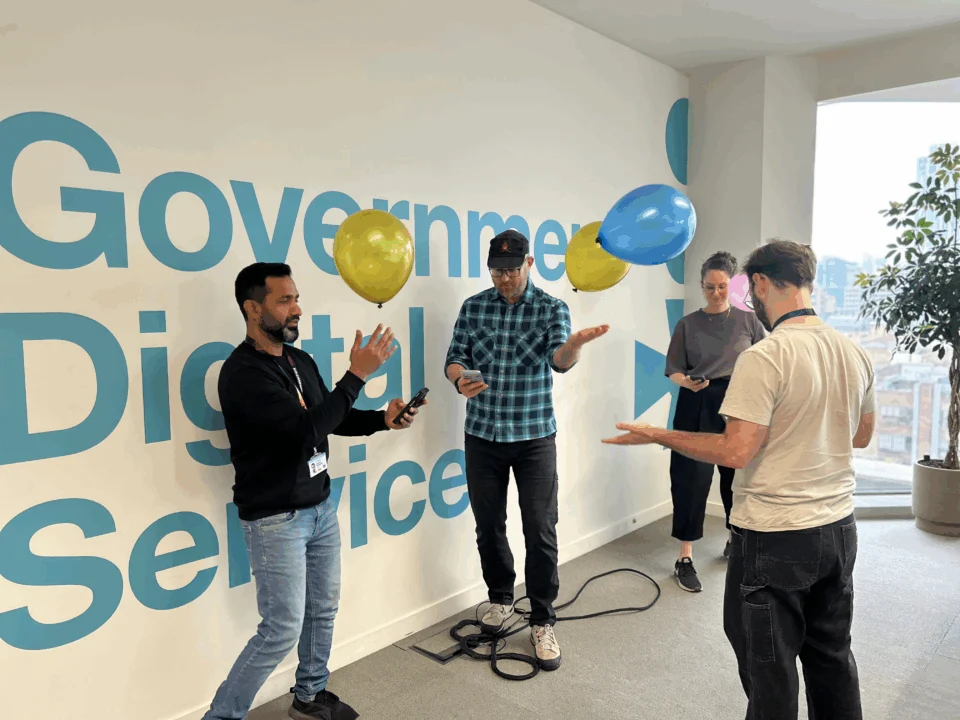
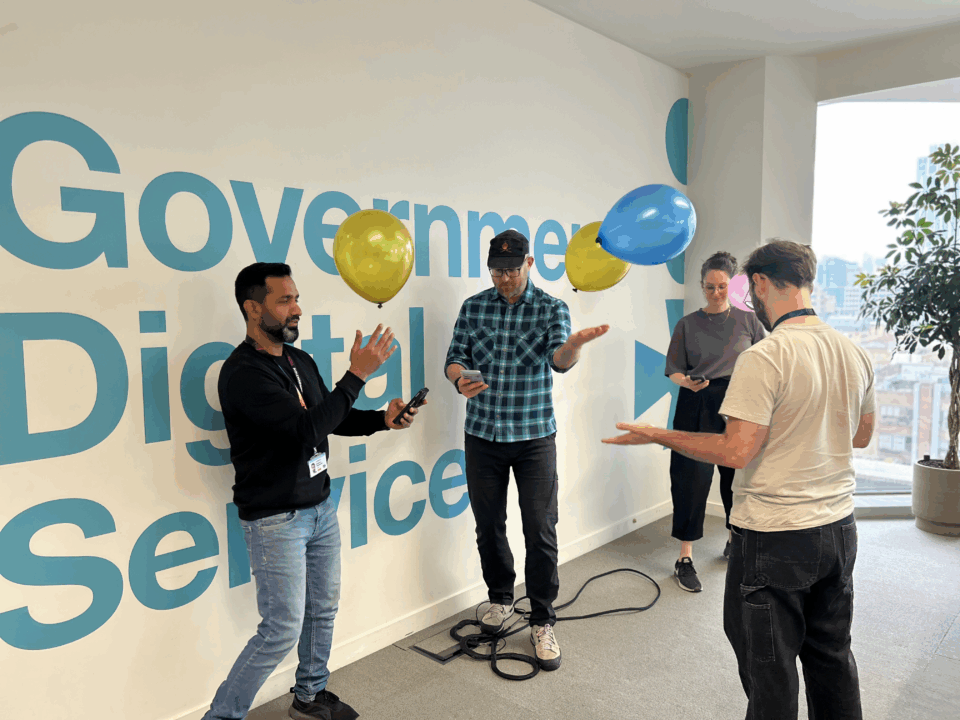
To bridge the gap between designers and the reality of disability, Rik Williams discusses the use of simulations. While noting their limitations, he suggests that tools such as vision-impairing glasses or "empathy balloons"—a game designed to simulate cognitive or dexterity issues—can help design teams identify "pain points" in information flows. These simulations reveal how easily a service can become unpleasant or impossible to use when structural clarity is lacking.
Common Pitfalls: The Paradox of Choice and Stakeholder Bias
The experts identify several common mistakes that can undermine digital accessibility. Sally Creasey points to the danger of organizing information around "stakeholder needs" rather than "user needs." When a website’s structure mirrors a complex internal department hierarchy instead of a user’s mental model, it creates a significant barrier to navigation.
Other pitfalls include:
- The Paradox of Choice: Creating sections with overlapping purposes or using jargon in labels, which increases cognitive load.
- Inconsistent Language: Failing to use a controlled vocabulary, leading to different names for the same concepts across a service.
- Static Architecture: Becky Ashley warns against the "finished" mindset. Information systems must be iterative and capable of adapting to emerging user needs through a continuous feedback loop.
Advanced Methodologies: OOD and Progressive Disclosure
To ensure accessibility, GDS architects utilize several specialized tools and processes. Sally Creasey highlights "progressive disclosure," a technique where information is revealed only as it is needed, preventing users from being overwhelmed. She also advocates for "noun and verb foraging," card sorting, and tree testing—methods that involve users directly in determining how information should be grouped and labeled.
Rik Williams introduces Object-Oriented Design (OOD) as a powerful tool for IA. By building information environments around tangible "objects" and standardizing their attributes, OOD creates a predictable and consistent experience. This approach is particularly beneficial for users who require personalized interfaces or use assistive technologies, as it ensures a stable and understandable text structure across different devices.
Broader Implications and the Future of Inclusive IA
The work of GDS in information architecture has implications far beyond the public sector. As artificial intelligence (AI) and automated metadata tagging become more prevalent, the role of the information architect is evolving. Well-structured metadata allows AI to serve highly relevant, tailored content to users based on their specific access needs and preferred channels.
From an economic perspective, prioritizing accessibility is a matter of efficiency. Research into "The Purple Pound"—the spending power of disabled households—suggests that UK businesses lose billions annually due to inaccessible websites. In the public sector, the "cost to serve" is significantly higher when users cannot complete tasks online and must resort to phone lines or in-person visits. By "unlocking accessibility" through superior information architecture, GDS is not only fulfilling a legal and moral obligation but also ensuring the long-term sustainability of digital government.
The "Unlocking Accessibility" series serves as a call to action for the broader tech industry. As digital services become more complex, the clarity provided by robust information architecture remains the most effective tool for ensuring that no citizen is left behind in an increasingly digital world. The insights from Ashley, Creasey, and Williams underscore a simple truth: accessibility is not a feature to be added; it is the foundation upon which all functional design must be built.