The Evolution of AAC Literature: A Chronological Perspective
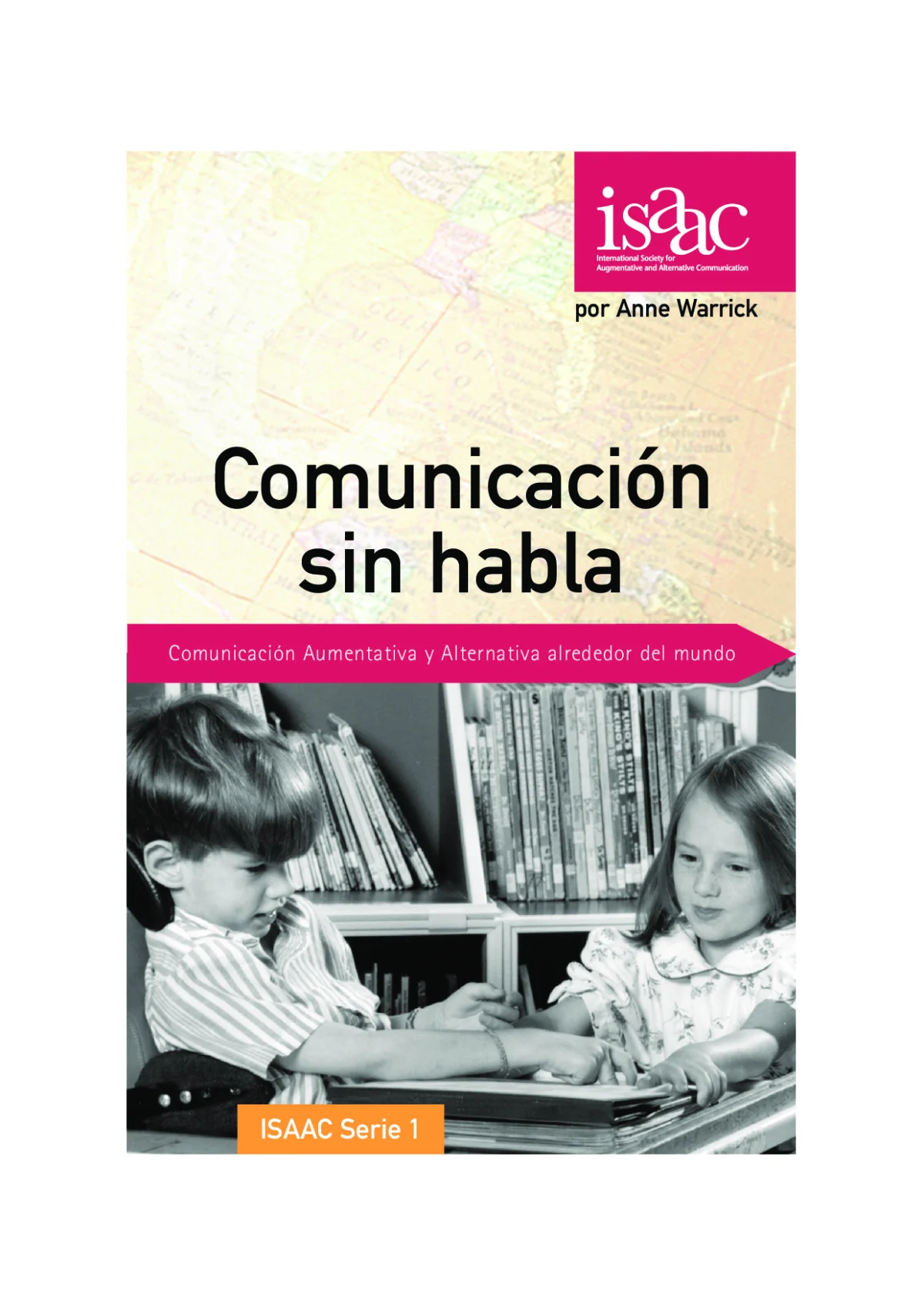
The trajectory of AAC as a clinical and pedagogical field has been marked by a transition from localized, English-centric research to a broader, international dialogue. Historically, the seminal texts that defined AAC interventions in the 1980s and 1990s were exclusively available in English, creating a "knowledge barrier" that hindered the professional development of therapists in Latin America and Spain.
In the early 2000s, the International Society for Augmentative and Alternative Communication (ISAAC) began to prioritize the translation of core competencies and foundational textbooks. This initiative was not merely a linguistic convenience but a strategic move to standardize care. By 2015, the landscape began to change significantly as academic publishing houses in Spain and Mexico recognized the growing demand for specialized literature. The publication of translated works by authors such as Stephen von Tetzchner, Harald Martinsen, and Kristine Stadskleiv marked a turning point, providing practitioners with a comprehensive framework that integrated theoretical foundations with practical, evidence-based intervention strategies.
Data and Demographics: The Need for Accessible Resources
Current data from global health organizations suggest that approximately 1.5% to 2% of the general population may require some form of AAC due to congenital or acquired conditions. In Spanish-speaking nations, which account for over 500 million people, the potential number of individuals who could benefit from AAC is substantial. Despite this, the professional infrastructure—measured by the number of licensed speech-language pathologists (SLPs) and specialized educators per capita—often remains insufficient to meet the demand.
Research indicates that the efficacy of AAC implementation is directly correlated with the "literacy of the support network." When parents and teachers lack access to literature in their primary language, the implementation of AAC systems often defaults to outdated models or anecdotal practices rather than evidence-based strategies. The influx of translated professional literature, therefore, serves as a catalyst for systemic change. It allows for the training of a new generation of professionals who are equipped with the latest methodologies, including aided language stimulation, visual scene displays, and the integration of high-tech speech-generating devices.
The Significance of Evidence-Based Foundations
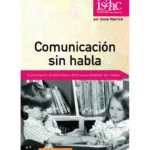
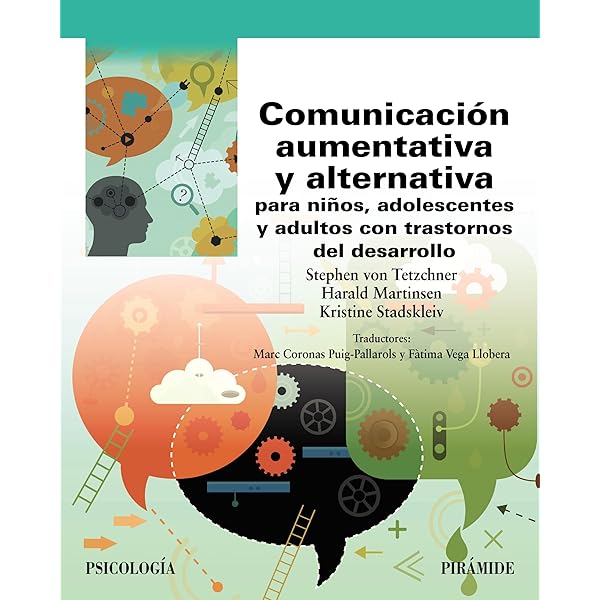
The recent focus on the text Augmentative and Alternative Communication for Children, Adolescents and Adults with Developmental Disorders highlights a shift toward a holistic approach to communication. This work is significant because it rejects the siloed view of communication as a "device-only" issue, instead positioning it as a component of social inclusion, cognitive development, and human rights.
Key components of modern AAC literature now emphasize:
- Assessment Frameworks: Moving away from "readiness models" that denied access to AAC based on cognitive testing.
- Intervention Strategies: Focusing on the communicative partner’s role in creating an environment conducive to language acquisition.
- Multimodal Communication: Integrating gestures, signs, symbols, and technology as a unified system.
Professional bodies and pedagogical institutions have noted that when practitioners have access to these frameworks in their native language, there is a measurable increase in the precision of intervention plans. The ability to articulate complex clinical reasoning in Spanish allows for better advocacy within medical and educational systems, as clinicians can more effectively communicate their findings to stakeholders and government health boards.

Official Responses and Institutional Support
Organizations such as ISAAC and local branches of the American Speech-Language-Hearing Association (ASHA) and their Spanish-speaking counterparts have increasingly focused on "knowledge transfer." Statements from international advocacy groups emphasize that the democratization of information is an ethical imperative. By lowering the barrier to entry for high-level research, these organizations are essentially expanding the pool of experts capable of providing specialized services in underserved regions.
"The availability of these resources in Spanish is a fundamental pillar for the democratization of communication rights," says an industry analyst familiar with the ongoing translation efforts. "When a parent in a rural area of a Spanish-speaking country can access the same evidence-based information as a researcher in a major university, the entire landscape of care improves."
Broader Implications: Toward Inclusive Communication
The implications of this shift are far-reaching. By strengthening the professional literature base, the field of AAC is moving toward a more "contextually relevant" practice. This means that intervention is no longer a "one-size-fits-all" model imported from the Global North, but a flexible, culturally responsive approach that considers the linguistic and social nuances of Spanish-speaking communities.
Furthermore, the integration of these materials into university curricula across Latin America and Spain is creating a standardized expectation of care. As students entering the workforce are trained using the same foundational texts as their international peers, the quality of service delivery becomes more consistent. This consistency is essential for securing public funding and policy support for AAC services, as clear, evidence-based outcomes are the most effective arguments for resource allocation in public health systems.
Future Outlook: Sustaining the Momentum
As the field looks toward the remainder of the year and beyond, the focus is expected to remain on the digital accessibility of these resources. While physical books remain a cornerstone of professional training, the rise of digital libraries and open-access journals is ensuring that even those in geographically isolated areas can stay current with the latest developments in AAC.
The challenge moving forward lies in the continued translation of technical literature and the adaptation of these materials to reflect diverse socio-economic realities. As more researchers contribute to the body of literature written directly in Spanish—rather than just translated from English—the field will continue to gain the depth and nuance required to support individuals with complex communication needs effectively.
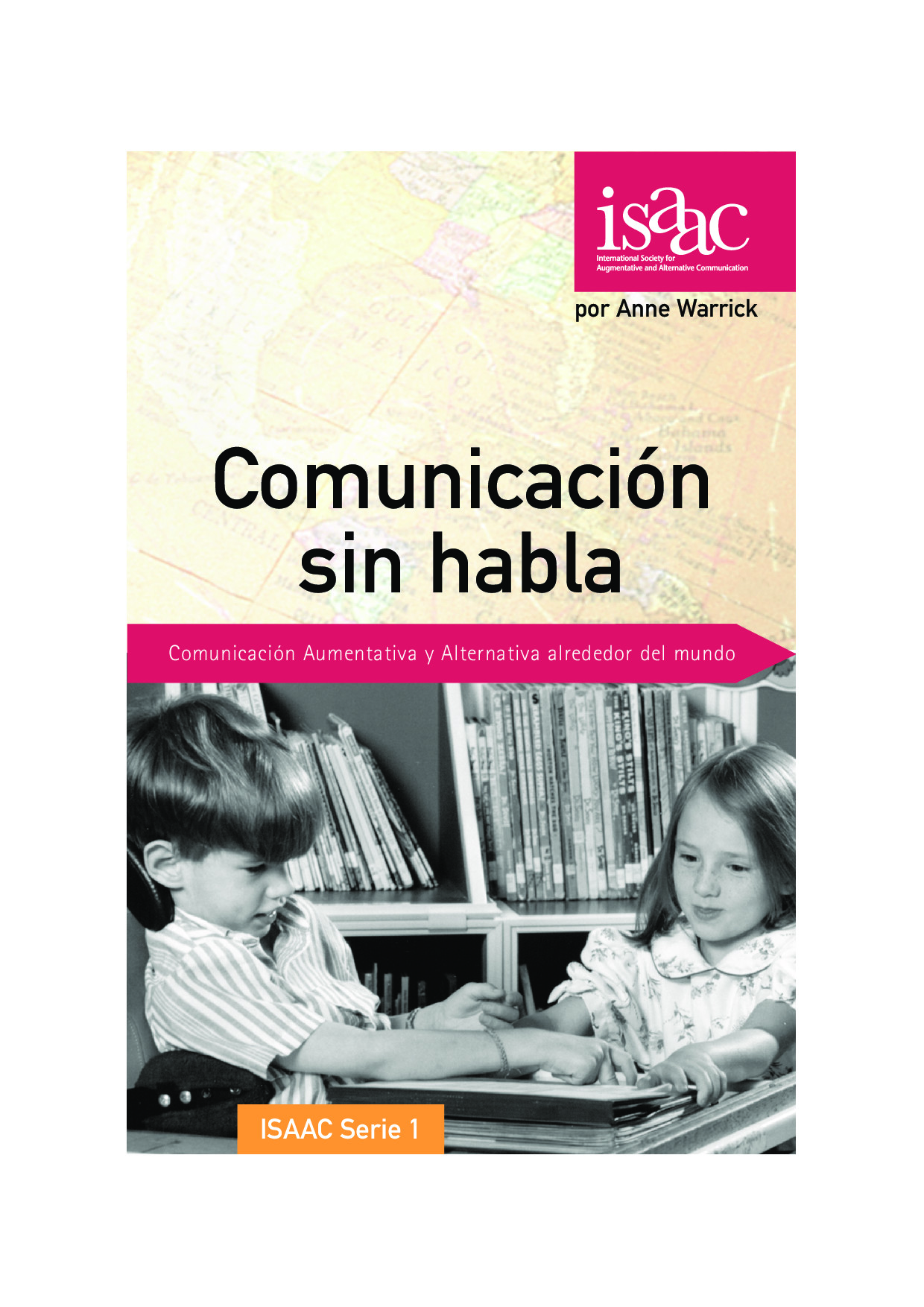
In conclusion, the celebration of International Book Day serves as a vital reminder that knowledge is a precursor to empowerment. By prioritizing the accessibility of AAC resources, the global community is taking a decisive step toward ensuring that every individual, regardless of their language or their disability, has the right to express their thoughts, participate in their communities, and live with dignity. The ongoing efforts to translate and distribute these key texts are not merely academic exercises; they are essential components of a broader movement toward a more inclusive and communicative society.