The Genesis of an Educational Legacy
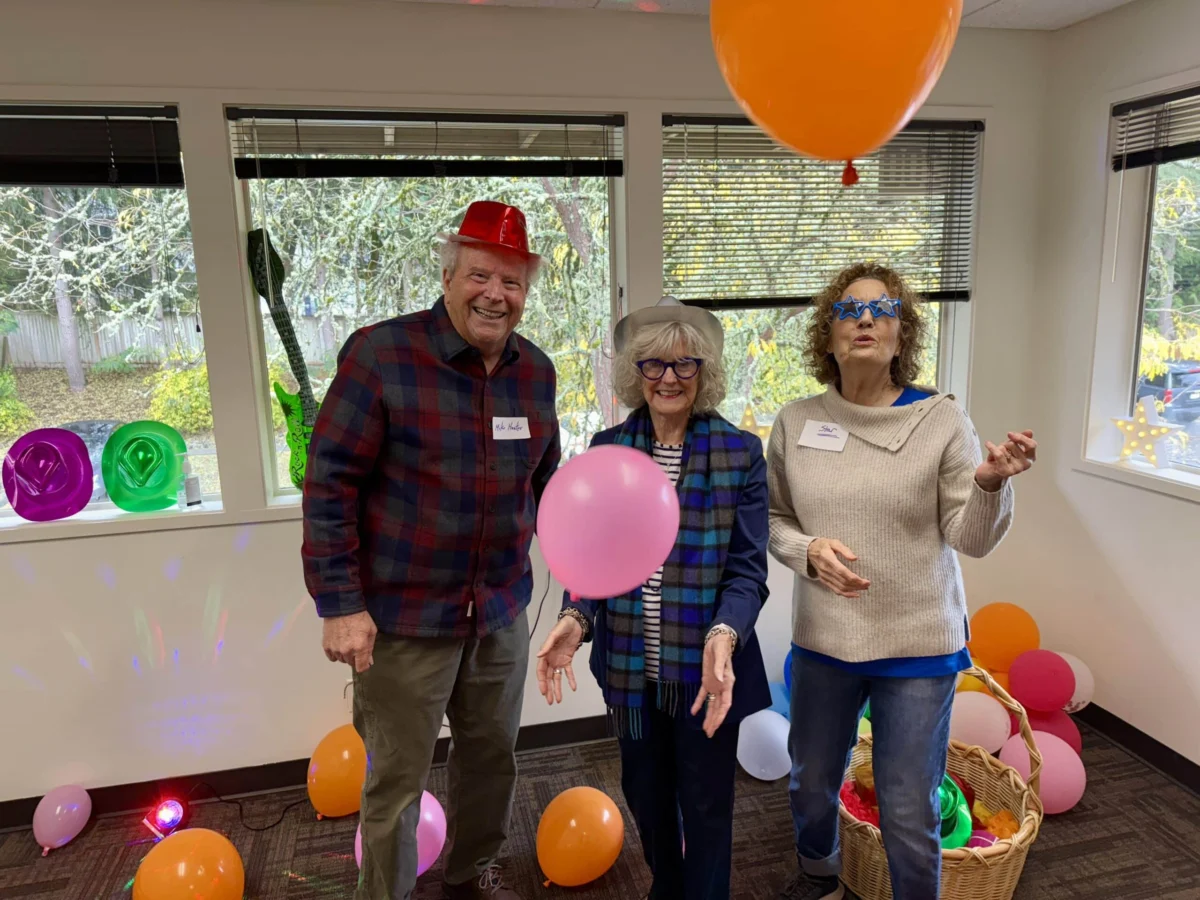
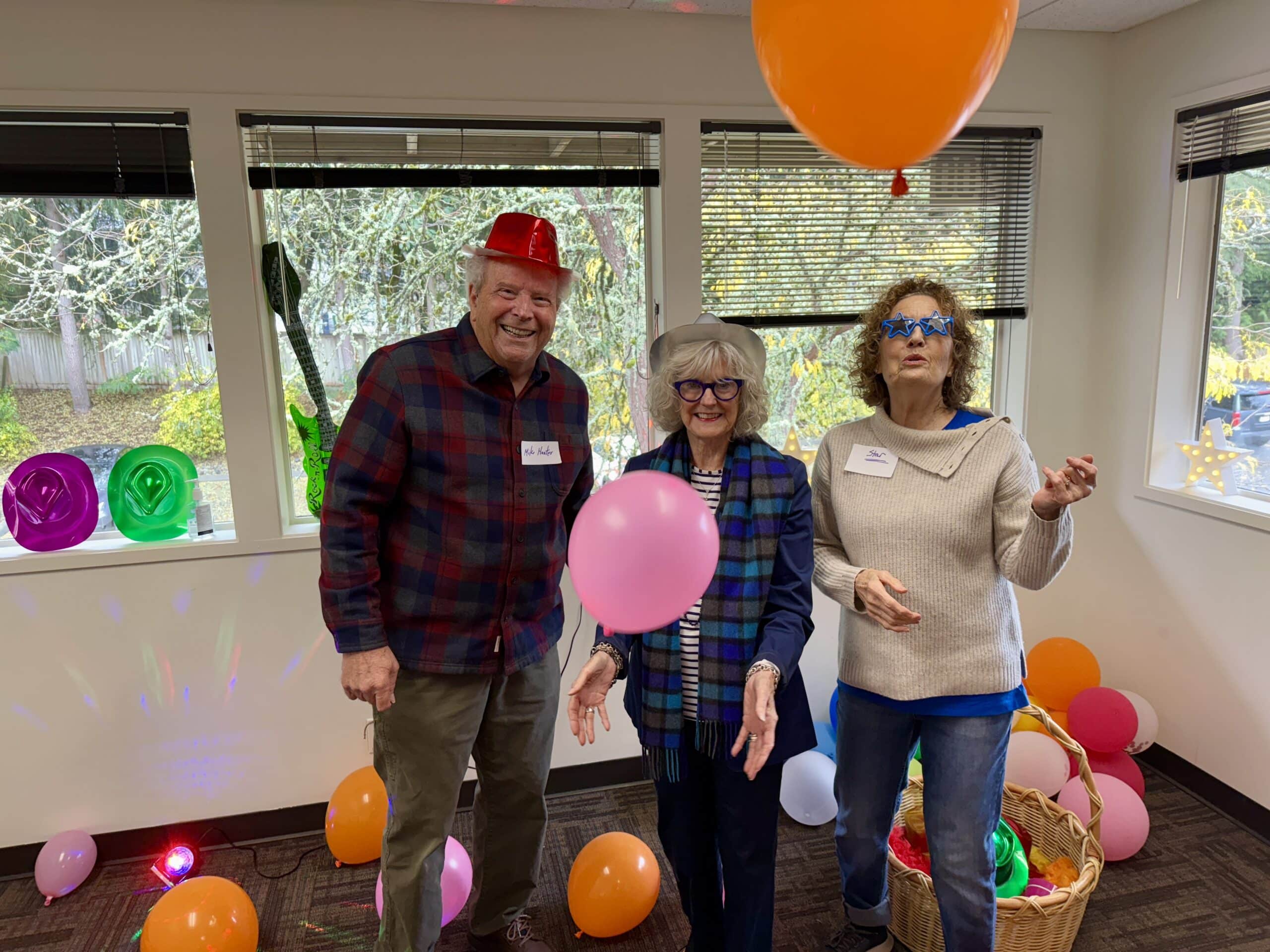
The history of Listen and Talk is rooted in the vision of its founder, Star Leonard-Fleckman, a teacher of the deaf and auditory-verbal therapist who sought to bridge the gap between clinical diagnosis and daily functional success for children with hearing loss. Nearly thirty years ago, Leonard-Fleckman launched the program from her home, operating on the foundational belief that children with hearing loss could, with the right intervention and support, develop spoken language skills that would allow them to thrive in a mainstream environment.
Over the past 29 years, the program has transitioned from a home-based initiative to a multifaceted educational institution. Today, Listen and Talk provides comprehensive services to over 200 families annually, utilizing a hybrid model of in-person therapy and virtual outreach. The curriculum has expanded significantly from its early days, now encompassing a robust Birth to Three program, specialized audiology services, intensive therapy sessions, and a signature Blended Classroom Program designed to integrate speech and language development into a structured academic environment.

Chronology of Growth and Service
The evolution of the organization reflects broader trends in the treatment of pediatric hearing loss, specifically the shift toward early intervention and the integration of advanced hearing technology.
- The Foundational Years: Starting in the late 1990s, the program established the core tenets of auditory-verbal therapy, focusing on early detection and family-centered coaching.
- Expansion of Scope: Throughout the 2000s and 2010s, Listen and Talk widened its geographic reach, implementing outreach programs to support families living outside of the immediate Seattle metropolitan area.
- Technological Integration: As cochlear implant technology and digital hearing aids became more sophisticated, the organization’s clinical approach evolved to ensure children could maximize the benefits of these devices to "listen and talk" with clarity.
- The Modern Era: Today, the organization serves families who collectively speak over thirty different languages, emphasizing the preservation of home-language identity while simultaneously fostering English proficiency for educational success.
The Inaugural Walk, Run, and Roll: A Fiscal Milestone
The recent Founder’s Day celebration was punctuated by the success of the inaugural Walk, Run, and Roll, a fundraising initiative that demonstrated widespread community engagement. The event, which spanned various locations including Edmonds, Woodinville, the Olympic Peninsula, and Green Lake, attracted participants ranging in age from toddlers to centenarians.
The financial results of this campaign underscore the high level of public support for the organization’s mission. Organizers confirmed that the fundraiser generated over $10,000 in public contributions. This total was further amplified by a matching gift from founder Star Leonard-Fleckman, bringing the current total raised to over $26,000. These funds are designated for the continued expansion of core services, including speech therapy and parent education, which remain the primary overhead costs for the nonprofit.
Clinical Objectives and Educational Philosophy
The methodology at Listen and Talk is predicated on the philosophy of self-advocacy. Unlike traditional models that might rely on interpreters or sign language as a primary mode of communication, Listen and Talk focuses on coaching parents and children to navigate a hearing world through intelligible speech.

The clinical objective is twofold: to equip children with the cognitive skills to reason and think independently, and to ensure they can communicate their needs effectively in diverse social and academic settings. By the time a child transitions out of the Listen and Talk ecosystem, the goal is for them to possess the confidence and the linguistic tools to function without the need for an interpreter, effectively closing the achievement gap that has historically faced students with hearing loss.
Voices from the Community
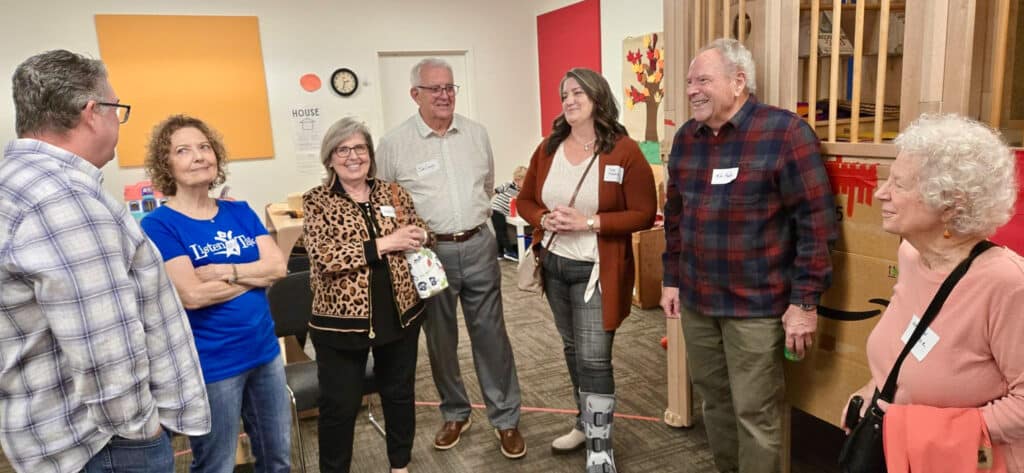
The Founder’s Day event served as a nexus for different generations of the organization’s history. Current families, alumni who had long since graduated from the program, and even former students who have now returned as parents themselves, were in attendance.

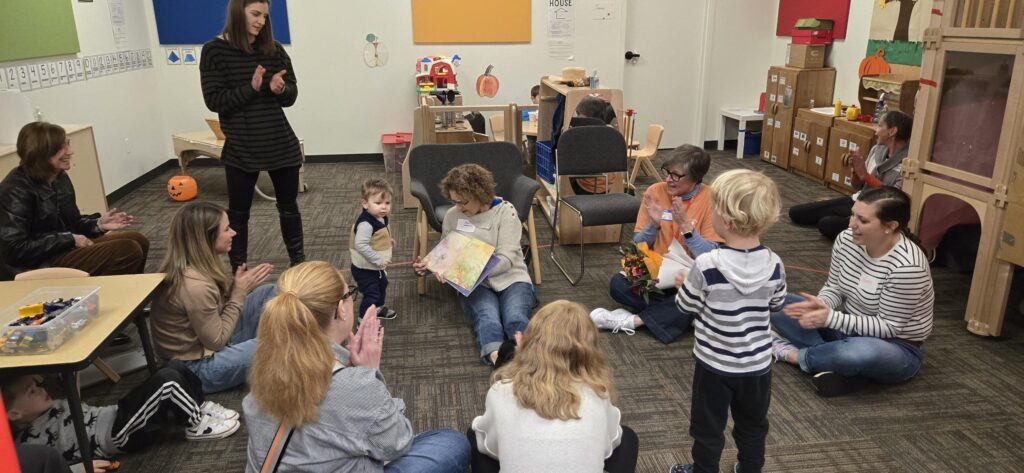
Executive Director Maura Berndsen highlighted the intergenerational impact during the festivities. "It is truly heartwarming to see the trajectory of our students," Berndsen noted during the event. The presence of alumni, such as Katharine Wile, who participated in a "Story Time with Star" session with her own child, served as a living testimonial to the long-term efficacy of the program’s early intervention strategies. These interactions are vital for current families, who often find themselves in the early, overwhelming stages of navigating a child’s hearing loss diagnosis.
Broader Impact and Future Implications
The impact of Listen and Talk extends beyond the individual child; it fundamentally changes the family dynamic. By serving families who speak over thirty different languages, the organization recognizes that the "language of the heart" is essential for emotional bonding and development. By providing the framework for families to communicate effectively in their native languages while simultaneously supporting the development of spoken English, the organization ensures that cultural heritage is preserved while academic and social barriers are removed.
The current financial climate for non-profit education and therapy services remains challenging. As insurance reimbursement models shift and public funding for specialized education fluctuates, organizations like Listen and Talk rely heavily on donor-funded programs to bridge the gap between standard care and the high-intensity, personalized therapy required for successful outcomes. The success of the recent fundraiser indicates a shift toward more community-driven, public-facing financial support models.
Looking toward the future, the organization’s leadership has indicated a commitment to maintaining the quality of its specialized services while scaling to meet the needs of an increasing number of families. The funds raised during the 29th-anniversary celebration are earmarked for several key initiatives:
- Enhanced Audiology Resources: Keeping pace with the rapid advancements in hearing technology.
- Parent Education Expansion: Developing more robust remote-learning resources for families in rural areas.
- Capital Improvements: Maintaining the Kirkland campus, including the Discovery Room, which serves as a central hub for therapeutic play and learning.
Conclusion: A Vision for the Next Decade
As Listen and Talk approaches its third decade of operation, the organization stands as a case study in the power of specialized early intervention. The Founder’s Day celebration was not merely a retrospective of past successes, but a strategic assertion of the organization’s ongoing relevance.
The overarching vision—that "no child is limited by hearing loss"—remains the guiding principle for all programmatic decisions. With a successful inaugural fundraiser now in the books and a growing community of alumni serving as ambassadors, the organization is well-positioned to continue its mission. For families currently grappling with the challenges of a hearing loss diagnosis, the history of Listen and Talk offers a proven roadmap for success, one built on the consistent, daily practice of listening and the transformative power of spoken language. As the community looks toward the 30th anniversary next year, the emphasis remains on sustainability, accessibility, and the fundamental human right to communicate.