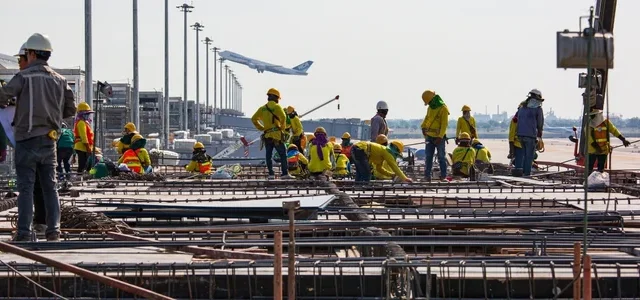
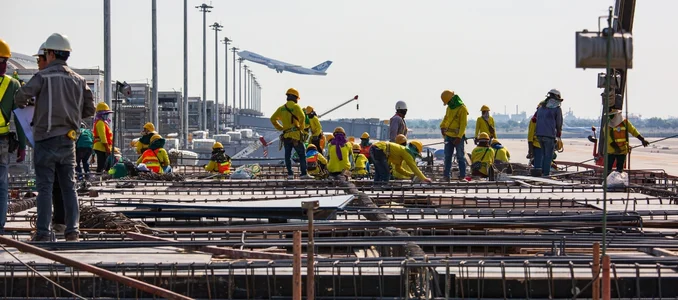
For employers, the narrative surrounding heat safety has shifted from reactive measures taken during heat waves to proactive, year-round planning. Whether a worker is new to the company or returning from a period of leave, the physiological baseline of their thermal tolerance must be considered a critical safety metric. As global temperatures rise and the frequency of extreme weather events increases, the urgency for a comprehensive, science-based approach to heat stress management has never been greater.

The Physiology of Acclimatization and the "First-Week" Danger
The biological process of acclimatization involves significant cardiovascular and thermoregulatory adjustments. When a person is regularly exposed to heat, the body undergoes a series of changes: the sweat rate increases, the onset of sweating occurs sooner, and the body becomes more efficient at conserving electrolytes. These adaptations typically take between 7 to 14 days of consistent, incremental exposure to reach a state where the worker can safely perform strenuous tasks in hot environments.
OSHA research indicates that more than 70% of heat-related worker fatalities occur during the first week of employment. This statistic highlights a fundamental gap in onboarding processes. A worker who has not been given the opportunity to build this physiological tolerance is essentially operating at a physical disadvantage from the moment they step onto the job site.
"The highest-risk moment is often the first week on the job or the first days back from time off, before the body has adapted," explains Bill Shoemaker, a senior risk control specialist at Travelers. "When we think about safety, we often look at equipment or fall protection, but we must view the human body as an asset that needs to be ‘warmed up’ to thermal stress just as it is warmed up for physical labor."

Beyond the Outdoor Summer Narrative
While the public image of heat illness is often associated with road crews or roofers working under a July sun, the reality of occupational heat stress is far more pervasive. Indoor environments, particularly in heavy industry, present unique hazards that are often underestimated by management and employees alike.
Facilities such as commercial bakeries, industrial laundries, foundries, glass manufacturing plants, and chemical processing facilities frequently operate at temperatures that rival or exceed outdoor summer highs. In these settings, heat is often compounded by radiant energy from machinery, lack of airflow, and the necessity of wearing specialized Personal Protective Equipment (PPE).
For example, a worker wearing flame-resistant (FR) clothing or heavy-duty respiratory protection is at a higher risk of heat stress than a worker in light, breathable fabrics. The PPE, while essential for preventing chemical or burn injuries, often traps heat and moisture against the skin, hindering the body’s primary cooling mechanism: evaporation. When these environmental factors are coupled with high-exertion tasks, the risk of heat exhaustion—characterized by heavy sweating, rapid pulse, dizziness, and nausea—escalates rapidly. If left untreated, these symptoms can progress to heat stroke, a life-threatening condition where the body’s core temperature rises above 104 degrees Fahrenheit, leading to organ failure or death.

Factors Influencing the Heat Index
Employers must recognize that ambient air temperature is only one variable in the heat stress equation. The National Weather Service and OSHA emphasize the use of the Heat Index, which calculates the perceived temperature by combining air temperature with relative humidity.
Humidity is a critical, often overlooked factor. When humidity levels are high, sweat does not evaporate efficiently from the skin. Since evaporation is the body’s primary method for heat dissipation, a high-humidity environment effectively traps heat inside the body. Furthermore, radiant heat—emitted by hot machinery, furnaces, or metal surfaces—adds a direct thermal load that air temperature readings do not capture.
Safety professionals now advocate for the use of Wet Bulb Globe Temperature (WBGT) monitors. Unlike standard thermometers, WBGT devices measure a combination of temperature, humidity, wind speed, sun angle, and cloud cover. This provides a more accurate representation of the thermal stress imposed on the human body, allowing employers to make data-driven decisions about work-rest cycles and mandatory hydration breaks.

Developing a Proactive Heat Stress Prevention Plan
The consensus among industrial hygienists is that heat illness is entirely preventable with proper planning. Waiting for a heat advisory to be issued by the National Weather Service is a reactive strategy that leaves workers vulnerable. Instead, companies are encouraged to implement a comprehensive Heat Illness Prevention Plan (HIPP).
A robust HIPP should include the following components:
- Gradual Acclimatization: For new hires or those returning from a week or more of absence, the "Rule of 20%" is often recommended. This involves limiting the duration of work in the heat to 20% of the normal duration on the first day, increasing by no more than 20% each subsequent day until the worker is fully acclimated.
- Hydration Protocols: Water must be easily accessible and cool. In high-exertion roles, electrolyte replacement drinks may be necessary to compensate for salts lost through heavy sweating.
- Engineering Controls: Where possible, employers should prioritize mechanical solutions over behavioral ones. This includes installing industrial-grade ventilation fans, air conditioning in rest areas, heat shields around high-temperature equipment, and reflective barriers to deflect solar radiation.
- Work-Rest Cycles: During peak heat or high-demand periods, the frequency and duration of breaks should increase. These breaks should occur in shaded or climate-controlled areas to allow the body to return to a baseline core temperature.
- Worker Training: Employees should be trained to recognize the signs of heat illness in themselves and their colleagues. Peer-to-peer monitoring is a vital layer of protection, as an individual suffering from heat-related cognitive impairment may not realize their own danger.
The Economic and Human Impact
The cost of inaction is substantial. Beyond the obvious human tragedy of workplace deaths, heat-related illness leads to decreased productivity, increased turnover, and rising workers’ compensation costs. Research from the Atlantic Council’s Adrienne Arsht-Rockefeller Foundation Resilience Center suggests that heat stress costs the U.S. economy billions of dollars annually in lost labor productivity.

For businesses, the implications are both ethical and legal. Under the General Duty Clause of the Occupational Safety and Health Act, employers are required to provide a workplace free from recognized hazards that are causing or are likely to cause death or serious physical harm. As OSHA moves toward establishing more formal heat-specific regulations, the legal standard for what constitutes "reasonable care" in preventing heat illness is becoming more stringent.
Future Outlook and Recommendations
As the global climate continues to evolve, the definition of a "hot day" is changing. Employers can no longer rely on historical temperature data to dictate their safety protocols. The integration of real-time environmental monitoring with structured, mandatory acclimatization policies represents the new gold standard in occupational health.
"The most important thing that employers can do is to ensure proper planning and awareness, as heat illness is largely preventable," Shoemaker reiterates. The transition from a culture of "toughing it out" to a culture of physiological management is essential for the sustainability of the workforce. By recognizing that every worker is a unique biological entity with specific limits, and by planning for those limits before the first shift begins, companies can significantly reduce the incidence of heat-related illness, ensuring that all employees return home safely at the end of every day.