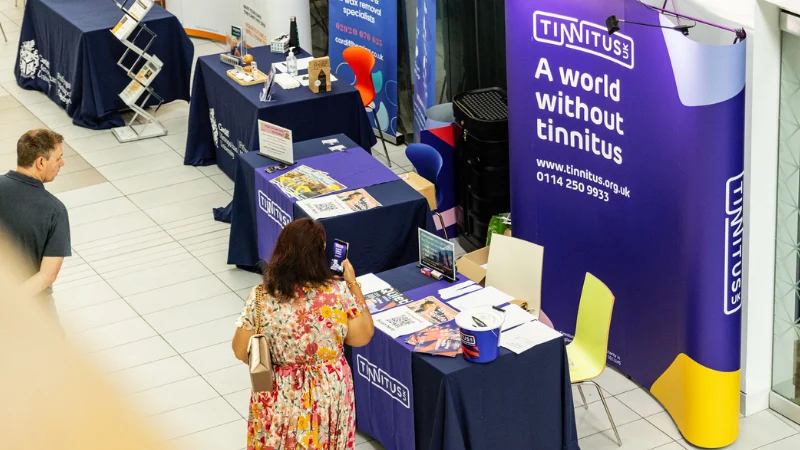
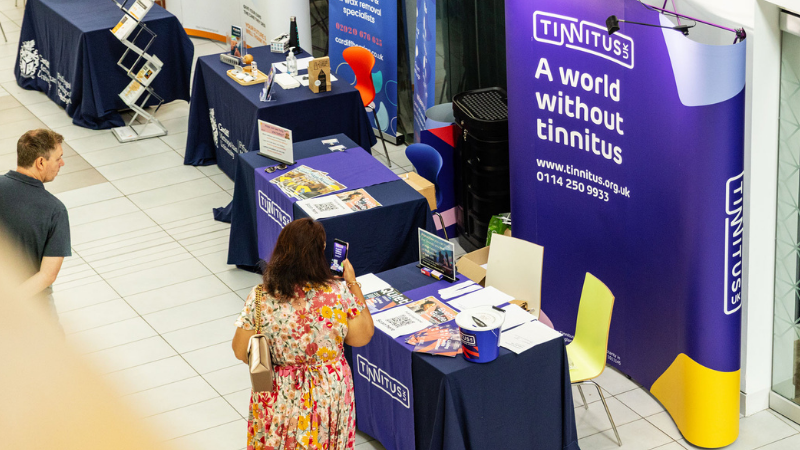
The event was designed to dismantle the persistent myth that focusing on tinnitus is inherently detrimental to the patient’s mental state. Contrary to the outdated advice often dispensed—which suggests that patients should simply "stop thinking about it"—the program emphasized proactive management, psychological resilience, and clinical intervention. By gathering experts under one roof, Tinnitus UK provided a structured environment where the silence of isolation was replaced by the noise of constructive, informed dialogue.
A Chronology of the Cardiff Event
The day’s itinerary was carefully curated to address the multi-faceted nature of tinnitus, which often requires a combination of audiological, psychological, and lifestyle interventions. The morning sessions commenced with an introduction to the current state of tinnitus research, followed by breakout sessions led by specialists.

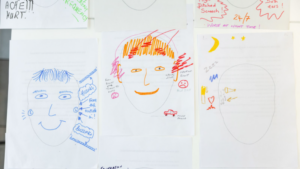
Throughout the afternoon, the focus shifted to practical application. This included the introduction of the Tinnitus Creative Toolkit, a novel therapeutic approach developed by researchers at the Open University. The toolkit is specifically engineered to function within support group settings, providing a structured framework for patients to express their experiences through creative mediums. This session was followed by a practical demonstration of chair yoga, reflecting recent shifts in clinical understanding that prioritize physical activity—even in mild forms—as a key tool for sensory regulation and stress management.
The day concluded with a series of roundtable discussions, which facilitated the organic formation of a new local support group. This development was a spontaneous, high-value outcome that surpassed the event’s formal agenda, highlighting the efficacy of physical gatherings in fostering long-term community support networks.

The Landscape of Tinnitus Management: Data and Clinical Context
Tinnitus, defined as the perception of sound in the absence of an external source, is a global health challenge. Clinical data suggests that while the severity of the condition varies widely, its impact on quality of life, sleep architecture, and psychological well-being is profound.
Evidence presented at the Cardiff event emphasized that while there is no singular medical "cure" for most forms of chronic tinnitus, the management of the condition has evolved significantly. Research indicates that approximately 97% of individuals who engage with organized tinnitus support groups report a subjective improvement in their ability to cope with the condition. This statistic serves as a cornerstone for Tinnitus UK’s advocacy, suggesting that the "social prescription" of peer support is as vital as traditional hearing aid amplification or sound therapy.

Furthermore, the integration of physical activity into management plans has gained traction. Data derived from large-scale studies, including crowdsourced health tracking in France, indicates a strong correlation between regular physical exertion and reduced tinnitus distress. By hosting sessions on chair yoga, Tinnitus UK aimed to provide an accessible entry point for patients who may be discouraged by traditional high-impact exercise regimes, thereby widening the scope of manageable care.
Expert Perspectives and Professional Involvement
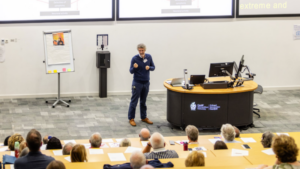
The Cardiff Information Day featured prominent voices from across the hearing health sector. Professor Florian Vogt of University College London provided the keynote address, focusing on the intersection of psychological health and auditory perception. Professor Vogt’s research, which is currently at the forefront of clinical literature, posits that cognitive-behavioral approaches are essential for "habituation"—the process by which the brain learns to filter out the tinnitus signal, effectively reducing its perceived volume and annoyance.
The exhibition area hosted local professionals, including Sonja Jones of Cardiff Hearing and Kevin Davies of Minerva, a specialist firm focused on custom-fit hearing protection. The presence of these experts provided a bridge between general information and individualized care. By allowing attendees to ask direct questions about custom protection and hearing health monitoring, the event successfully translated abstract medical advice into actionable personal health strategies.
Implications for Future Care and Policy
The success of the Cardiff event holds broader implications for the future of hearing health services in Wales. There is an increasing demand for specialized, non-clinical support environments that exist outside the strained public health sector. As wait times for audiology departments continue to challenge service providers, events like these act as a vital safety net, preventing patients from falling into cycles of anxiety and misinformation.

The announcement of a new Cardiff-based support group serves as a tangible metric of success. These groups represent a sustainable model for long-term health management. By empowering local residents to lead their own support structures, Tinnitus UK is effectively building a decentralized network of care that can provide ongoing relief long after the initial event concludes.
Looking Ahead: National Expansion
Following the positive reception in Cardiff, Tinnitus UK has confirmed that its next major event will take place in Bournemouth on September 5, 2026. The charity continues to leverage these events to refine its educational materials, such as its expert-led webinar series, which remains a core component of its digital outreach.
The financial model of these events—keeping them free for the public—relies heavily on charitable donations, membership subscriptions, and legacy giving. The organization views these costs not as overhead, but as an essential investment in public health. By removing the barrier of entry, Tinnitus UK ensures that access to information is equitable, regardless of the patient’s economic background.
Conclusion: The Evolving Narrative of Tinnitus
The Cardiff Information Day demonstrated a paradigm shift in how the condition is perceived by both the medical community and the public. By moving away from the fatalistic view of "learning to live with it" and toward a model of active, informed, and collective management, Tinnitus UK is setting a new standard for patient care.

As the organization looks toward future events, the emphasis remains on the same three pillars: rigorous, evidence-based research; community-led peer support; and the integration of diverse therapeutic tools, from mindfulness to physical activity. For the residents of Cardiff, the lasting legacy of last Saturday will not just be the information gathered, but the formation of a local support network that promises to make the burden of tinnitus significantly lighter for those who choose to engage with it.
Ultimately, the event underscored a universal truth in chronic disease management: the most effective path forward is rarely one walked alone. Through the coordination of expert speakers, local hearing professionals, and a robust, supportive community, the Cardiff Information Day has provided a template for how national organizations can create meaningful, localized impact in the lives of those navigating the complexities of tinnitus. The journey for many is just beginning, but with new resources, a nascent support group, and a wealth of shared knowledge, the future of tinnitus management in the region appears more optimistic than it has in years.