The Genesis of a Movement
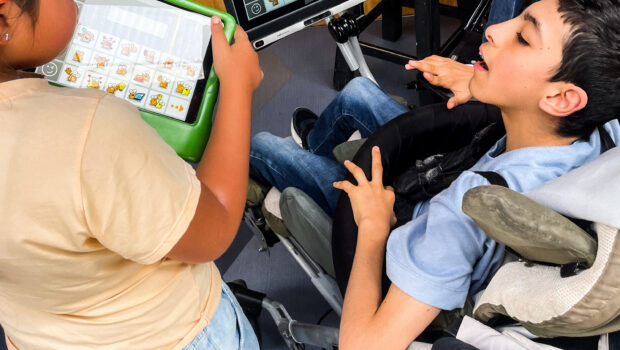
The impetus for VOZ SOS CAAPAZ originated from a critical reassessment of standard speech therapy practices. For years, the clinical field has been heavily influenced by a "speech-only" paradigm, which often overlooks the dignity and potential of individuals who rely on AAC systems—such as eye-tracking software, high-tech speech-generating devices, and symbol-based apps—to express themselves.
Ángela Marcela Ordóñez began to question the efficacy of traditional one-on-one therapy sessions, which often occur in clinical silos. Her research and professional practice led her to ask whether these isolated sessions were sufficient for true social integration. She identified a significant gap: AAC users were rarely given the opportunity to interact with peers who utilized similar communication modalities. By October 2025, these inquiries crystallized into the first in-person gathering in Rionegro, Antioquia, marking a shift toward community-led communication support.
Theoretical Frameworks and Influences
The development of the project is grounded in three core pillars that have influenced modern neuro-inclusive practices:
- The CAAmigos Angelman Initiative: Through her work with this virtual, neuro-affirmative program, Ordóñez gained insight into naturalistic, literacy-based interventions. This experience served as a catalyst for "unlearning" ableist therapeutic norms that prioritize oral speech as the primary metric of success.
- User-Centered Advocacy: The project draws heavily from the ISAAC (International Society for Augmentative and Alternative Communication) journal discourse, specifically the 2025 article by Gran Blasko. The central tenet, "Nothing About AAC Users Without AAC Users," highlights the imperative for individuals with communication challenges to be active architects of their own support systems.
- Relationship-Based Learning: Moving away from rigid, goal-oriented instruction, the project adopts a pedagogical approach where interaction and horizontal relationships are paramount. This model emphasizes that communication partners—including therapists and family members—must evolve into active learners of the AAC systems themselves.
Chronology of Implementation
The implementation of VOZ SOS CAAPAZ follows a strategic, iterative schedule designed to foster long-term community growth:
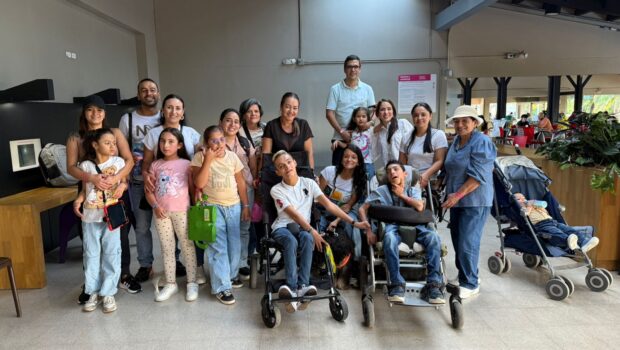
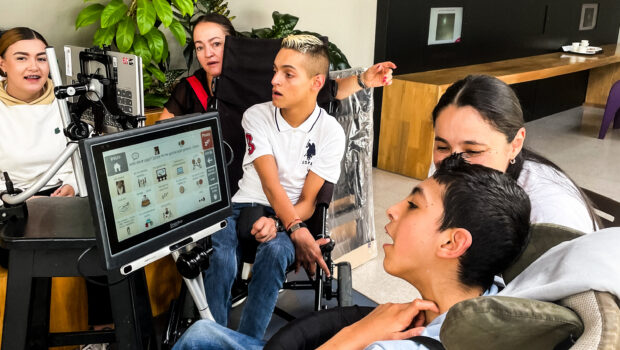
- October 2025 (Launch): The inaugural event coincided with International AAC Awareness Month. Held at the Parque Comfama in Rionegro, the event brought together six primary AAC users—utilizing diverse technologies like TD Snap, Proloquo2go, and Grid 3—alongside ten family members and professional support staff.
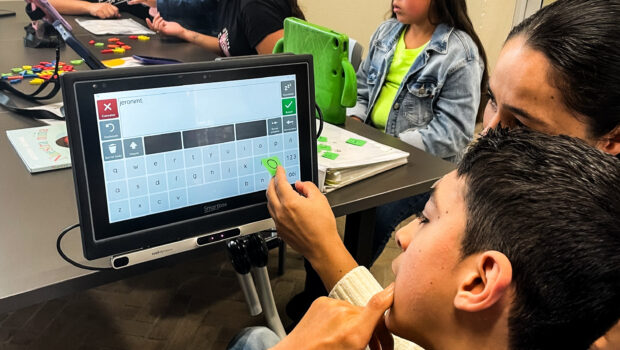
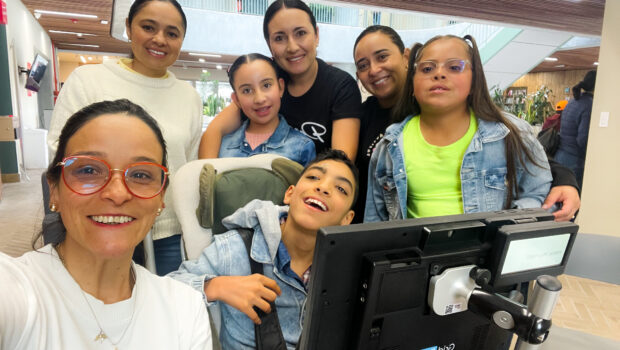
- February 2026 (Expansion): Following the success of the initial event, the program moved into a public library setting in Rionegro. This session focused on "Shared Reading," a strategy based on the Comprehensive Literacy model, which integrates print knowledge into the daily lives of AAC users.
- Future Outlook: The project is currently structured on a monthly cycle. The goal is to scale these meetings as more participants join, creating a sustainable network of support that persists beyond the confines of the clinical office.
Demographic Data and Technological Integration
The success of VOZ SOS CAAPAZ is rooted in its diversity of technological implementation. Participants utilize a wide spectrum of tools, reflecting the reality that no two AAC users have identical needs. Data from the February 2026 session shows that all participants were at an "emergent" level of literacy development, yet they were engaged in complex, high-level interaction through their respective devices.
The professional response to these gatherings has been positive, particularly from families who previously felt limited by the "ceilings" often imposed by traditional therapists. By presuming competence—a neuro-affirmative concept suggesting that all individuals have the capacity to learn and communicate regardless of their current abilities—the program ensures that participants are exposed to age-appropriate, meaningful experiences.
Impact on Communication Rights
The broader implications of this project reach far beyond the borders of Rionegro. VOZ SOS CAAPAZ serves as a microcosm for the global push toward universal access to communication. The project’s namesake, "VOZ SOS CAAPAZ" (a play on words implying "You are capable" and "Your voice"), challenges the notion that therapists are the "voices" for non-speaking individuals. Instead, the initiative posits that the role of the professional is to provide access to tools that allow users to project their own authentic voices.
Feedback from participants reinforces this mission. Pablo Andrés Calderón Gómez, an AAC user, noted after the inaugural gathering: "I met other friends. We need more people with this Right to Communication. I hope for more opportunities." This sentiment highlights the social isolation that often accompanies communication challenges and the profound impact of peer-to-peer connection.
Challenging the Status Quo
The project actively critiques the institutionalized barriers to literacy for AAC users. Many educational systems deny students with complex communication needs the opportunity for literacy instruction, operating on the false assumption that they cannot learn to read or write. VOZ SOS CAAPAZ rejects this, providing a platform where literacy is recognized as a fundamental human right.
For families of AAC users, the model provides a blueprint for advocacy. It encourages parents and caregivers to move beyond traditional therapy when those practices are found to be limiting. The focus is on creating environments that prioritize autonomy, sensory needs, and diverse opportunities for exploration.
Conclusion and Future Directions
As the initiative moves forward, the focus remains on building a sustainable ecosystem. The project is not merely a series of events, but a fundamental shift in how communication is taught and experienced. By fostering connections in public, real-world spaces—such as parks and libraries—VOZ SOS CAAPAZ effectively integrates AAC users into the broader community.
The success of the model suggests that the future of AAC lies in moving away from the private clinic and into the public sphere. As Ordóñez notes, the goal is not to "fix" the user, but to transform the environment into one that is receptive to all forms of communication. For Colombia, and the wider Latin American region, this project serves as a vital case study in how small, community-driven efforts can create systemic change in the pursuit of equity and inclusion. The ongoing development of this project will likely continue to influence professional training and the design of inclusive public spaces for years to come.