Early Intervention and the Foundation of Communication
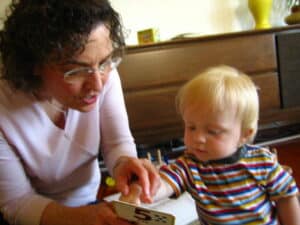
The journey began in the earliest months of Wendorf’s life. Following his diagnosis, his family engaged with Listen and Talk, an organization specializing in auditory-verbal education. From six months of age through his completion of the Blended Classroom PreK program, Wendorf participated in intensive services designed to maximize auditory potential and develop speech and language skills.
Early intervention for children with hearing loss is widely recognized by clinical audiologists and educators as a critical period. According to the Joint Committee on Infant Hearing (JCIH), the "1-3-6" model—screening by one month, diagnosis by three months, and enrollment in early intervention by six months—is the gold standard for achieving linguistic outcomes comparable to hearing peers. Wendorf’s seamless integration into the Blended Classroom environment highlights the success of inclusive educational settings, which allow children with hearing loss to refine their communication strategies alongside typically hearing classmates. This foundational support proved essential in equipping him with the tools necessary to navigate a world primarily designed for those without sensory limitations.
A Rare Medical Diagnosis: Understanding Barakat Syndrome
The narrative of Wendorf’s health took a turn at age 12 when his family received a definitive genetic diagnosis: Barakat Syndrome, also known as HDR syndrome. This rare genetic disorder is caused by haploinsufficiency of the GATA3 gene, which is located on chromosome 10p14. The condition is clinically defined by a triad of symptoms: hypoparathyroidism (HPT), sensorineural deafness, and renal (kidney) disease.
The identification of the GATA3 mutation provided the Wendorf family with critical diagnostic clarity. Medical literature indicates that while hearing loss is a primary feature of Barakat Syndrome, the associated renal and endocrine issues require ongoing, specialized monitoring. By understanding the underlying cause of his hearing loss, Wendorf and his family were better positioned to manage his health proactively. This diagnosis did not serve as a deterrent; rather, it provided a framework for his family to continue advocating for his needs while he focused on his academic and extracurricular development.
A Chronology of Artistic Pursuit
Wendorf’s development was marked by a fearless engagement with his environment. His transition from early childhood services to the public school system was characterized by a wide range of athletic participation. However, his true aptitude emerged within the performing arts.
- Birth – 5 Years: Intensive engagement with the Listen and Talk early intervention programs, focusing on auditory development and language acquisition.
- 6 – 11 Years: Participation in varied athletic programs, fostering physical coordination and social integration.
- 12 Years: Formal diagnosis of Barakat Syndrome, shifting focus toward long-term health management and continued academic growth.
- 13 – 17 Years: Exploration of the arts, specifically improvisation and theater. Wendorf secured lead roles in multiple stage productions during his high school years.
- 18 Years (June 2024): Graduation from Renton High School.
- Post-Graduation: Relocation to Los Angeles, California, to pursue a professional career in the performing arts.
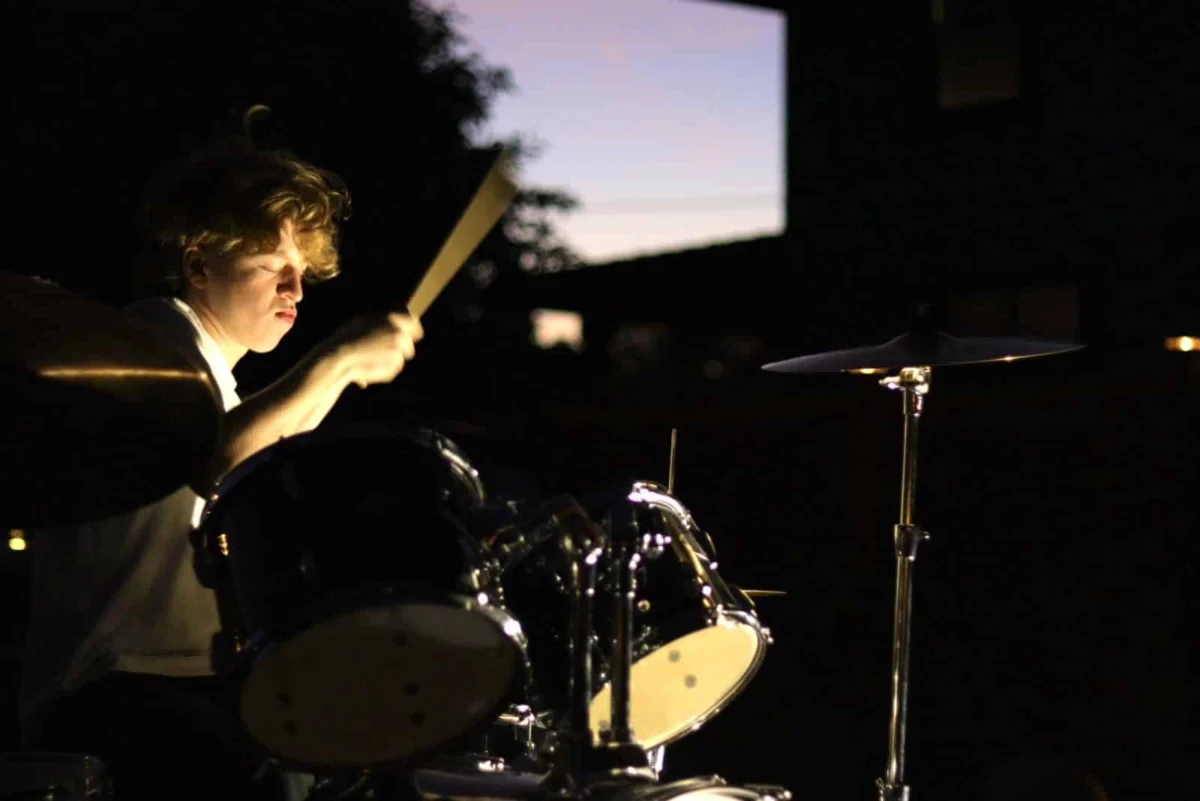
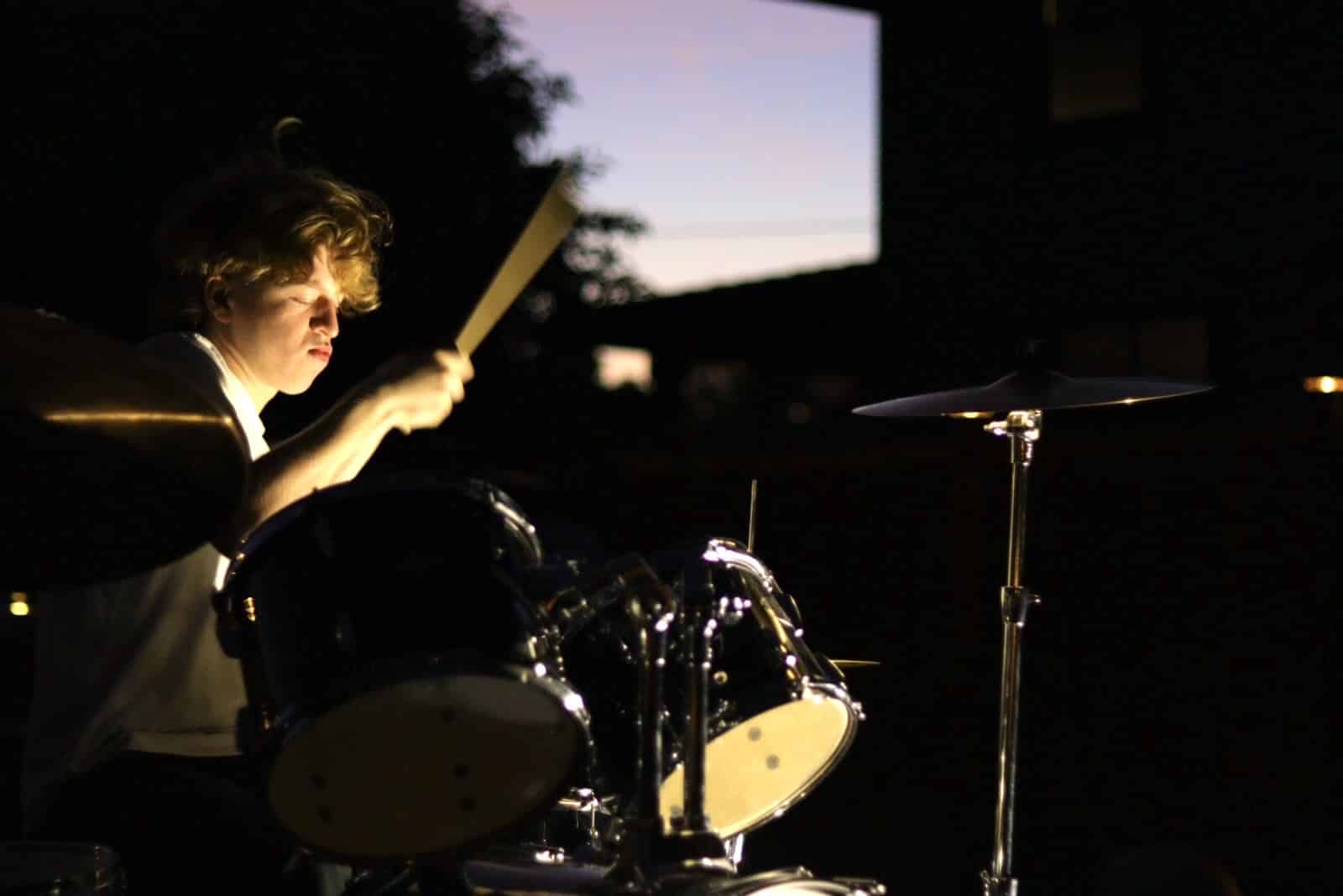
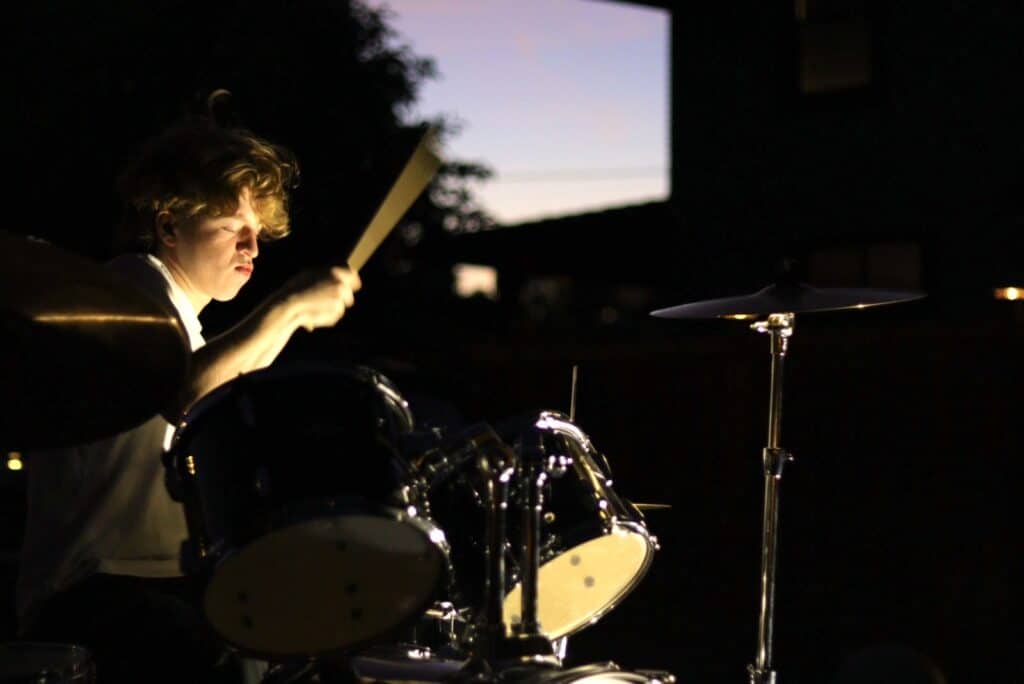
During these formative years, Wendorf also demonstrated a high degree of self-directed learning, mastering both the drums and the guitar. His ability to teach himself musical instruments despite his sensorineural hearing loss highlights the adaptability of his auditory processing and his commitment to mastering sensory-based skills.
The Role of Advocacy and Institutional Support
The philosophy of Listen and Talk, which emphasizes that "no child is limited by hearing loss," appears to have been central to Wendorf’s development. Institutional representatives note that the program’s goal is not merely to provide therapy, but to cultivate a "grounded sense of self" that allows graduates to advocate for themselves in diverse environments.
For many individuals with hearing loss, the transition to post-secondary education or the workforce can present significant challenges regarding workplace accommodations and social navigation. Wendorf’s success in transitioning to the competitive Los Angeles entertainment industry is a testament to the efficacy of the self-advocacy skills he honed during his youth. He acknowledges that the sense of community provided by his early education helped him overcome the isolation often felt by those with rare genetic conditions. "Listen and Talk showed me that in a world where it feels like there aren’t many people like me, I am not alone," Wendorf stated.
Broader Implications for Early Childhood Education
Wendorf’s story offers broader implications for the field of pediatric audiology and special education. First, it underscores the importance of longitudinal support. The continuity of care—from infancy through the transition to independent adulthood—remains a critical factor in the long-term success of students with hearing loss.
Second, the case highlights the role of genetic screening in the broader context of hearing loss. As diagnostic technologies advance, more families are able to identify the specific genetic markers responsible for sensory impairments. This allows for more precise medical care and helps families connect with support networks specifically tailored to rare conditions like Barakat Syndrome.
Finally, Wendorf’s success challenges the stigma often associated with hearing impairment. His ability to excel in the arts—a field that relies heavily on auditory nuance—suggests that with the right combination of early intervention, personal determination, and family support, the limitations once associated with hearing loss are becoming increasingly fluid.
Future Directions and Community Engagement
As Wendorf pursues his career in Los Angeles, his story continues to influence the community at Listen and Talk. The organization is currently leveraging the experiences of alumni like Wendorf to fuel their "Alumni Family Giving Campaign." By highlighting the long-term successes of former students, the organization seeks to provide current and future families with the resources necessary to navigate similar paths.
The economic and social impact of such programs is significant. By providing children with the tools to communicate effectively and the confidence to pursue their interests, organizations like Listen and Talk reduce the potential for long-term dependence and increase the likelihood of individuals contributing to the workforce in meaningful ways. Wendorf’s move to Los Angeles is not just a personal milestone; it is an indicator of the successful integration of individuals with disabilities into the mainstream creative economy.
His parents, reflecting on his journey, noted that watching him develop into a person who actively seeks out new challenges has been a profound experience. Their gratitude toward the programs that supported him emphasizes the symbiotic relationship between specialized intervention services and the family unit. As Wendorf moves forward, his narrative serves as a benchmark for what is possible when early intervention, medical awareness, and individual resilience intersect. The ongoing effort to support these programs remains a vital investment in ensuring that future generations of children with hearing loss have the same opportunity to define their own futures, regardless of their diagnosis.