Early Intervention and the Foundation of Communication
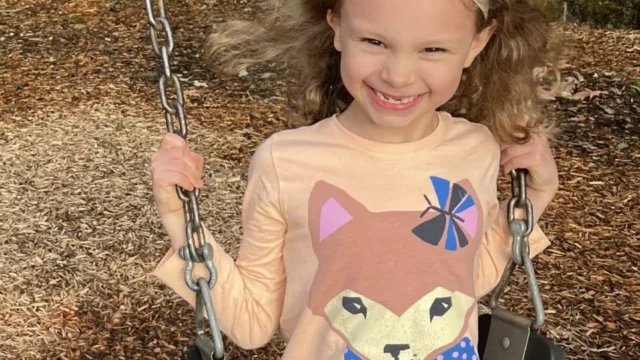
The initial phase of Wendorf’s development began in infancy. Diagnosed with bilateral sensorineural hearing loss at just four months old, he was enrolled in the Listen and Talk program by the time he reached six months of age. This early intervention was pivotal. Listen and Talk, an organization dedicated to empowering deaf and hard-of-hearing children, provides comprehensive services ranging from auditory-verbal therapy to inclusive classroom environments.
Wendorf’s participation in the program extended through the Blended Classroom PreK, a model designed to integrate children with hearing loss into peer groups, fostering both communication skills and social development. This formative period provided him with the necessary linguistic foundation to navigate an educational landscape that might otherwise have presented significant barriers. By focusing on auditory development and speech-language pathology during these critical early years, the program helped bridge the gap between Wendorf’s physiological constraints and his ability to interact effectively with his environment.
A Rare Medical Diagnosis: Barakat Syndrome
As Wendorf matured, his medical profile grew more complex. At the age of 12, his family received a definitive diagnosis that shed light on the etiology of his hearing impairment. Wendorf was identified as having a GATA3 gene disorder, specifically known as Barakat Syndrome, or HDR syndrome.
Barakat Syndrome is an exceptionally rare genetic condition. According to the National Organization for Rare Disorders (NORD), it is characterized by a specific clinical triad: Hypoparathyroidism, which can lead to dangerously low levels of calcium in the blood; sensorineural Deafness, which is typically present from birth; and Renal (kidney) disease. The GATA3 gene, located on chromosome 10, plays a fundamental role in the development of the parathyroid glands, the auditory system, and the kidneys.
The identification of this syndrome at age 12 provided Wendorf and his family with a deeper understanding of his health requirements. It underscored the necessity for multi-disciplinary medical management, including endocrinological, audiological, and nephrological monitoring. For many patients, the chronic nature of these conditions requires lifelong advocacy and a proactive approach to healthcare, traits that have become central to Wendorf’s personal development.
A Life Defined by Artistic Pursuit and Athleticism
Despite the complexities of his diagnosis, Wendorf’s developmental years were marked by a proactive engagement with the world. Observers and family members describe him as having a fearless temperament, characterized by a willingness to engage in new activities and challenge existing perceptions of his capabilities. Throughout his youth, Wendorf participated in a variety of athletic activities, demonstrating that hearing loss was not a limiting factor in his physical or social pursuits.
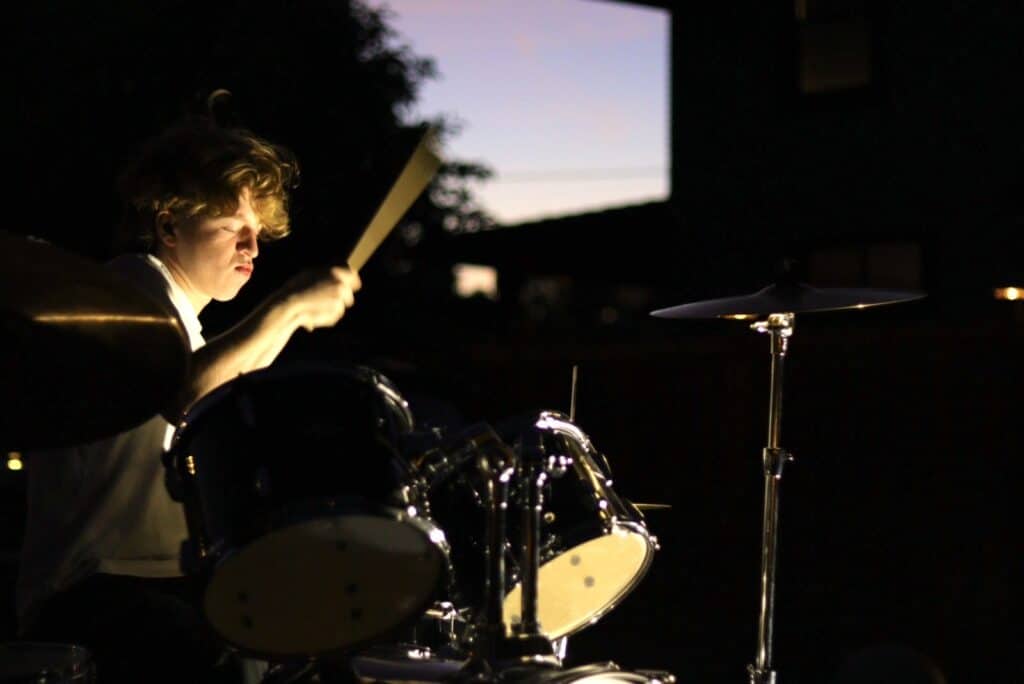
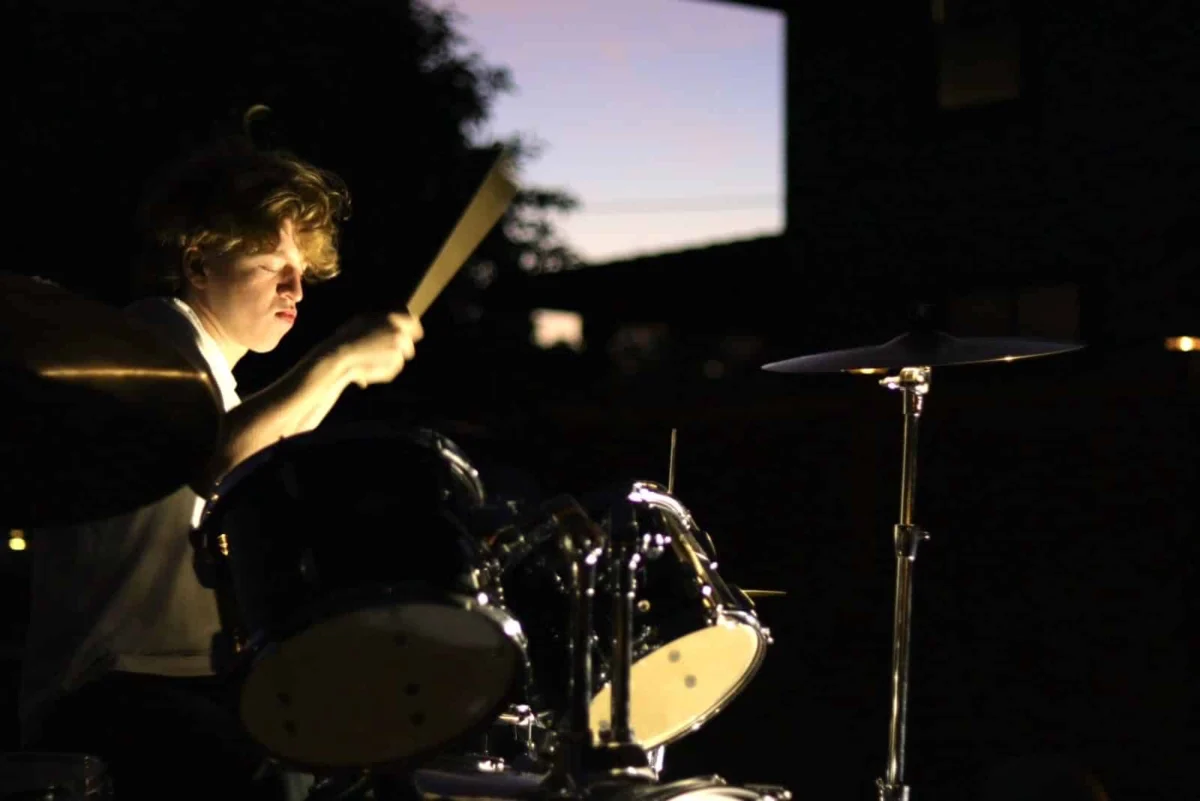
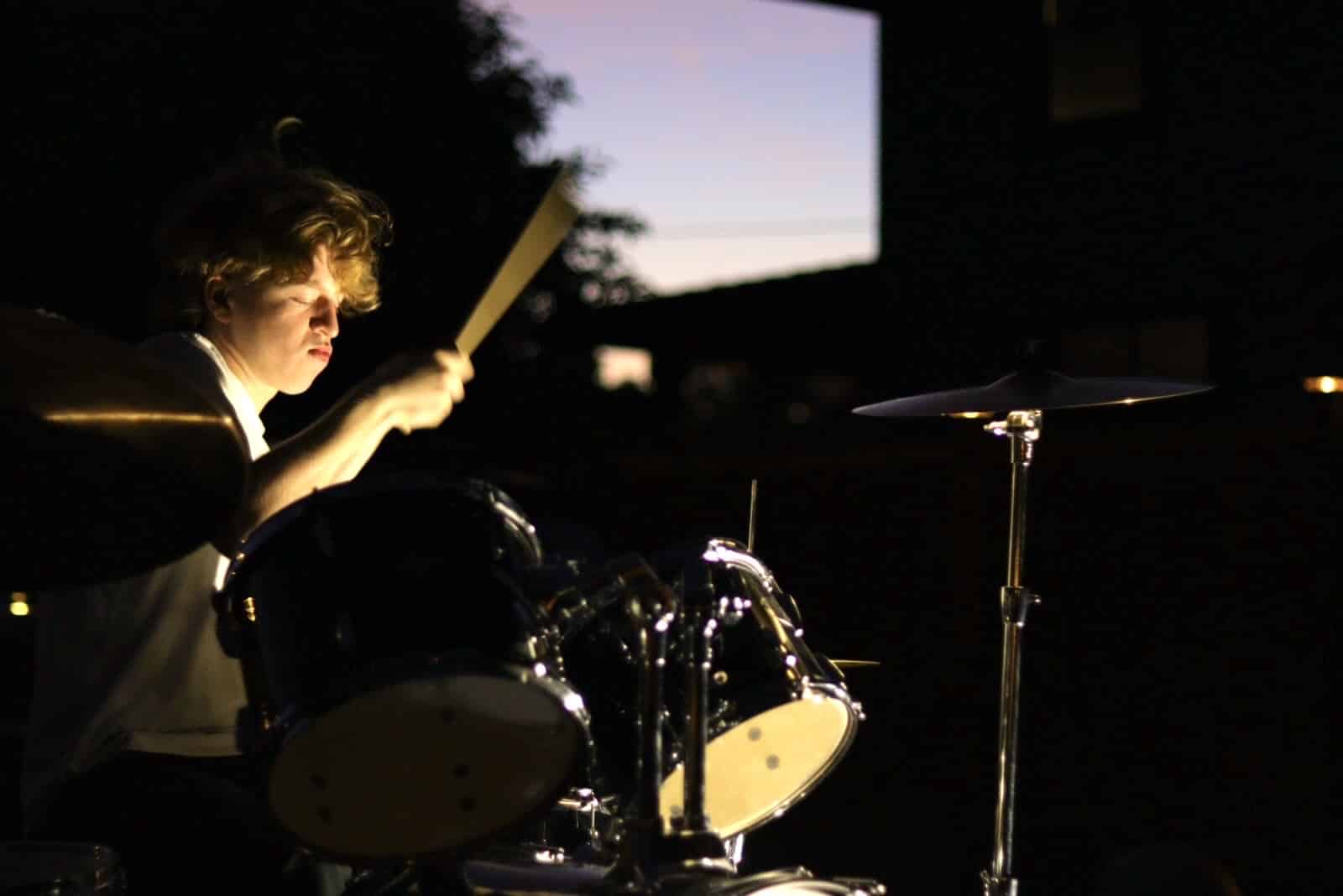
However, it was the performing arts that eventually became his primary medium for self-expression. Wendorf’s transition into improv comedy and stage performance allowed him to leverage his communication skills in a professional, creative capacity. He eventually secured lead roles in several theatrical productions, a feat that requires both high-level linguistic competence and an acute sense of timing—both of which he mastered despite his sensory impairment. In addition to his acting pursuits, he independently taught himself to play both the drums and the guitar, illustrating a high level of cognitive adaptability and perseverance.
Professional Transition and the Los Angeles Experience
In June 2024, Wendorf graduated from Renton High School and relocated to Los Angeles to pursue a career in the arts. His move to one of the most competitive entertainment hubs in the world signifies a significant milestone for alumni of early intervention programs. Wendorf has frequently noted that his experience at Listen and Talk provided him with the psychological tools to handle the isolation often associated with hearing loss.
"Listen and Talk showed me that in a world where it feels like there aren’t many people like me, I am not alone," Wendorf said in a recent reflection on his journey. "Even if it feels like no one else is going through what I go through, I take comfort knowing that there are others successfully pursuing their dreams too."
This sentiment captures the essence of the advocacy mission inherent in the Listen and Talk model: to create a network of support that persists long after the formal education period concludes.
Implications of Early Intervention Models
The success of individuals like Wendorf has prompted a closer examination of the long-term impact of early intervention (EI) for children with hearing loss. Data from the Centers for Disease Control and Prevention (CDC) suggests that children who receive consistent intervention before the age of six months show significantly better language and social-emotional outcomes compared to those who receive support later.
The "Listen and Talk" approach, which emphasizes an inclusive, blended environment, mirrors broader pedagogical trends in special education. By treating communication not merely as a clinical objective but as a social utility, these programs prepare students for the complexities of the professional world. Wendorf’s success in theater and music—fields that are heavily reliant on auditory nuance—validates the efficacy of intensive auditory-verbal therapy combined with holistic social support.
Institutional Support and Future Advocacy
The ongoing efforts of organizations like Listen and Talk rely heavily on philanthropic support. The current Alumni Family Giving Campaign, which features Wendorf’s story, is designed to generate funding for continued services for families navigating similar diagnoses. The organization maintains a core philosophy that "no child is limited by hearing loss," a goal that requires sustained financial and community investment.
For the families of children with similar genetic profiles, Wendorf’s story serves as a roadmap for what is possible with the right resources. The role of parents in this process—navigating medical systems, advocating for school accommodations, and fostering a "risk-taking" spirit—is as essential as the clinical intervention itself.
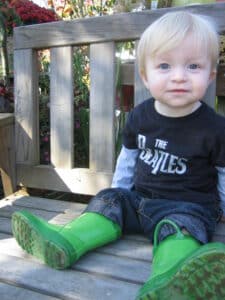
Wendorf’s parents, reflecting on his development, stated, "Watching him grow into someone who continues to take risks, follow his interests, and create his own opportunities has been one of the great privileges of being his parent." Their gratitude underscores the collaborative nature of success in the deaf and hard-of-hearing community, where progress is achieved through the synergy of medical expertise, institutional support, and familial commitment.
Broader Societal Impact
As Wendorf continues to pursue his goals in Los Angeles, his story remains a salient example of the shift toward viewing hearing loss not as a disability to be "fixed" in isolation, but as a condition to be managed within a framework of full social participation. The integration of technology, specialized therapy, and the arts has enabled him to advocate for himself effectively in a hearing world, a skill set that is increasingly vital for the modern workforce.
The narrative surrounding Wendorf is one of triumph over potential limitations, but it is also a sober reminder of the rare and chronic challenges posed by conditions like Barakat Syndrome. By documenting his journey, stakeholders in the field of deaf education aim to demonstrate that with the correct longitudinal support, individuals with significant sensory and genetic challenges can achieve professional success and personal fulfillment on their own terms. The continued focus on alumni success stories remains a cornerstone for advocacy organizations, providing a beacon for families currently at the start of their own journey in early intervention.