The Operational Context of the Wormslade Facility
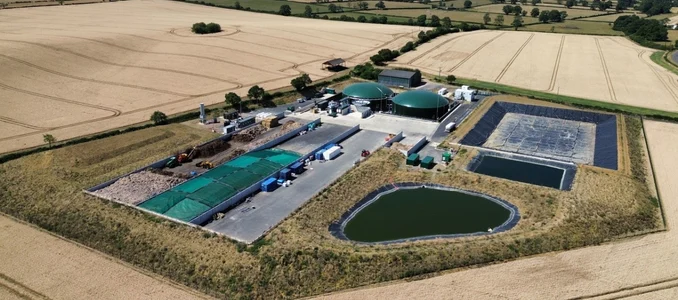
The Wormslade facility serves as a critical node in the U.K.’s renewable energy infrastructure. The plant operates on the principles of anaerobic digestion, a biological process where organic matter is broken down by microorganisms in the absence of oxygen. While this process is vital for decarbonization, it is inherently fraught with safety challenges. The conversion process generates combustible gases, such as methane, as well as toxic byproducts like hydrogen sulfide. Furthermore, the routine maintenance of digestion tanks and piping systems often necessitates confined-space entry, where the risk of oxygen depletion or sudden toxic gas release is high.
Before the adoption of the G8 system, the facility relied on conventional monitoring tools that, while effective at individual detection, lacked the connectivity required to provide a real-time safety net for personnel working in isolation. Given that the facility operates 24 hours a day, the risk profile for lone workers—particularly during night shifts or in remote areas of the plant—was a primary concern for management.

Technical Specifications and Safety Integration
The Blackline G8 device serves as a comprehensive safety hub rather than a standalone gas sensor. Its deployment at the VIDA facility addresses several key safety pillars:
- Atmospheric Hazard Detection: The devices are capable of detecting a wide range of gases simultaneously. By attaching modular pump cartridges, workers can perform "pre-entry" testing in confined spaces without the need to carry secondary, cumbersome equipment.
- Biometric and Motion Monitoring: Beyond gas sensing, the devices are equipped with fall-detection sensors and "no-motion" alarms. If a worker collapses or becomes incapacitated, the device triggers an immediate alert to the monitoring center.
- Connectivity and Communication: The G8 units facilitate push-to-talk (PTT) capabilities, allowing for instantaneous communication across the site. This is supplemented by silent SOS functions, which allow workers to signal for help discreetly in high-pressure or hostile situations.
- Logistical Autonomy: A notable feature for the VIDA team is the device’s ability to be bump-tested and calibrated on-site without requiring an active Ethernet or Wi-Fi infrastructure. This ensures that the safety equipment remains compliant and functional even in areas of the facility where network connectivity may be intermittent.
Chronology of Implementation and Emergency Response
The decision to transition to this connected safety model was driven by a need to modernize the site’s emergency response capability. Following the procurement of the G8 units, VIDA established a rigorous integration timeline:

- Phase I: Risk Assessment: The safety team conducted a comprehensive audit of the Wormslade facility to identify high-risk zones, such as tank farms and gas processing units.
- Phase II: Pilot Deployment: A select group of technicians utilized the devices for a 30-day testing period to calibrate sensitivity and test the latency of alerts.
- Phase III: Full Integration: The devices were rolled out to all operational staff, coupled with comprehensive training sessions on interpreting data alerts and utilizing the 24-hour monitoring center.
The current emergency response workflow is optimized for speed. When an alert is triggered—whether by a gas threshold breach, a fall, or a manual SOS—the signal is transmitted to either Blackline’s centralized 24-hour monitoring hub or its alarm-receiving partners. Data from the company suggests that the end-to-end process is highly efficient: alerts typically reach monitoring personnel in less than two seconds, with an initial response initiated in under 60 seconds. This rapid response time is critical in preventing minor incidents from escalating into catastrophic injuries or fatalities.
Leveraging Data for Long-Term Compliance and Safety Strategy
The value proposition of the G8 system extends beyond day-to-day safety to long-term operational intelligence. VIDA intends to utilize the data collected by the devices to perform forensic analyses of exposure patterns. By tracking where and when gas detection incidents occur, the company can identify "hot zones" within the facility that may require engineering controls, such as improved ventilation or structural modifications.

This data-driven approach is also highly advantageous for regulatory compliance. In the United Kingdom, operators of bioenergy plants are subject to strict environmental and health and safety operating permits. These permits require annual reviews and the submission of detailed incident logs. By automating the collection of this data, VIDA can prepare precise compliance reports that demonstrate a proactive commitment to risk management. This not only eases the burden of the annual permit review process but also provides the company with a defensible audit trail in the event of an external safety inspection.
Broader Implications for the Bioenergy Sector
The implementation of connected safety technology at the Wormslade facility mirrors a broader trend in the industrial energy sector. As companies face increasing pressure to improve environmental, social, and governance (ESG) performance, the focus on worker safety has become as critical as the focus on production efficiency.

Industry analysts note that the integration of wearable technology into the "Industrial Internet of Things" (IIoT) is changing the risk-management paradigm. By moving from reactive safety measures—such as responding after an accident occurs—to predictive safety, companies can significantly reduce insurance premiums, minimize downtime caused by safety incidents, and enhance the overall reliability of their operations.
Furthermore, the shift toward connected devices addresses the "hidden" hazards of the energy sector. Unlike traditional manufacturing, bioenergy production is biological, meaning the chemical environment can change rapidly based on feedstock composition and temperature. A device that can adapt to these changes while keeping a lone worker connected to a global support network is increasingly viewed as a standard requirement rather than an optional luxury.

Expert Perspective on Workforce Safety
While the primary benefit of the VIDA deployment is the protection of human life, the secondary benefit of improved site morale cannot be overlooked. When workers are equipped with technology that ensures they are never truly "alone" in a hazardous environment, the stress associated with high-risk tasks is reduced.
Industry safety experts suggest that this sense of security leads to higher productivity and better retention rates. "The deployment of connected safety solutions is not merely about hardware," noted one industry consultant. "It is about building a culture of trust. When a worker knows that their employer has invested in the best possible technology to ensure they return home safely at the end of the shift, that commitment fosters a stronger relationship between management and the workforce."

Looking Ahead: The Future of Connected Safety
As VIDA continues to monitor the performance of the G8 devices at the Wormslade facility, the company is well-positioned to serve as a blueprint for other bioenergy operators. The ability to integrate gas detection, fall alerts, and location tracking into a single, compact, and durable unit has set a new benchmark for the sector.
Looking forward, it is anticipated that these devices will become more integrated with the plant’s overall control systems. Future developments could see the G8 devices interacting directly with the facility’s SCADA (Supervisory Control and Data Acquisition) systems, allowing for automated shutdowns of specific equipment if hazardous gas levels are detected in the vicinity. This level of interoperability represents the next frontier in industrial safety, moving the industry toward a future where human error is minimized and workplace hazards are mitigated by intelligent, automated systems.

By prioritizing these technological investments, VIDA is not only safeguarding its human assets but also fortifying the long-term sustainability of its operations. As the demand for renewable energy continues to scale globally, the Wormslade facility stands as a testament to the fact that safe, efficient, and transparent operations are the bedrock of a successful and responsible energy transition.