

The data, compiled from inspections conducted throughout the 2026 fiscal year, provides a comprehensive snapshot of where employers are falling short of regulatory compliance. With 4,041 recorded violations for general fall protection alone, the figures highlight that despite decades of technological advancements in personal protective equipment (PPE) and rigorous safety training programs, the risk of gravity-related incidents remains the single most dangerous threat to the American workforce.
A Legacy of Hazard: Understanding the Persistence of Fall Protection Citations
For over a decade and a half, OSHA’s top-cited list has remained remarkably stable, with Fall Protection (29 CFR 1926.501) consistently occupying the primary spot. Industry experts and safety advocates often point to the high-risk nature of the construction sector as the primary driver for this statistic. Working at heights—whether on scaffolding, ladders, or elevated roofing structures—requires a complex interplay of engineering controls, administrative policies, and individual worker discipline.

The persistence of these citations suggests that while many firms have robust safety management systems on paper, the practical implementation on active job sites often lags behind. Factors such as high worker turnover, the pressure to meet aggressive project deadlines, and the inherent difficulties in supervising remote or decentralized work sites contribute to the failure to properly secure fall arrest systems or guardrail protections.
The 2026 Preliminary Rankings: A Statistical Overview
While the specific order of the top 10 list reflects a familiar landscape, the preliminary figures released at the NSC Safety Congress suggest a nuanced shift in enforcement trends. Preliminary reporting indicates that each category on the top 10 list recorded fewer citations compared to the previous fiscal year. While this decline might be interpreted as a positive development in overall compliance, labor safety researchers caution that it may also be influenced by fluctuations in inspection volume or shifts in OSHA’s enforcement priorities.

The list, which will be finalized and subjected to a deeper analytical breakdown in the December edition of Safety+Health magazine, serves as a roadmap for safety directors, compliance officers, and human resources managers. By identifying these specific areas of concern, companies are encouraged to conduct internal audits of their own facilities to ensure they are not susceptible to similar regulatory scrutiny.
Historical Context and Regulatory Evolution
OSHA’s mission to ensure safe and healthful working conditions is anchored in the Occupational Safety and Health Act of 1970. Since its inception, the agency has used the annual Top 10 list as a proactive tool for injury prevention rather than merely a punitive measure. The chronology of the top 10 list reveals that the same fundamental hazards—fall protection, respiratory protection, powered industrial trucks, and electrical wiring—have plagued American industry for decades.

In the early 2010s, the list began to show a greater emphasis on respiratory protection, a trend that accelerated significantly during and after the global health crises of the early 2020s. The 2026 data continues to show that OSHA’s focus remains locked on these high-consequence hazards. The agency’s strategy is clear: by highlighting these specific standards, they aim to drive a "culture of safety" that prioritizes the most lethal risks over minor administrative oversights.
Analyzing the Impact of Enforcement on Workplace Culture
The publication of these statistics is not merely an exercise in reporting; it has tangible economic and operational implications for businesses. Companies cited by OSHA face not only potential monetary penalties, which can range from thousands to hundreds of thousands of dollars depending on the severity of the violation, but also significant reputational damage. In an era where Environmental, Social, and Governance (ESG) criteria are increasingly important to investors and stakeholders, a poor safety record can result in lost contracts, increased insurance premiums, and difficulty in attracting talent.

Furthermore, the "Most-Cited" list acts as a catalyst for training providers. Once the list is released, safety training firms and consultancies often shift their curriculum to emphasize the identified standards. This cycle of report, analyze, and train is a vital component of the American safety ecosystem, ensuring that resources are directed toward the most statistically significant threats.
Perspectives from the NSC Safety Congress & Expo
The announcement at the NSC Safety Congress & Expo provided a platform for industry leaders to discuss the 2026 findings. Attendees at the event—ranging from corporate safety directors to small business owners—engaged in panels and workshops aimed at interpreting the data. The consensus among many safety professionals is that while the reduction in citations is encouraging, there is no room for complacency.

"The numbers represent more than just regulatory failures; they represent near-misses and tragic incidents that could have been avoided," remarked a spokesperson from a major safety advocacy group. The sentiment among attendees was that the 2026 data should serve as a wake-up call for firms that have allowed their safety protocols to become stagnant. The focus for the upcoming year is expected to shift toward "proactive safety"—utilizing predictive analytics and wearable technology to identify hazards before they lead to an OSHA citation or, more importantly, a workplace injury.
Implications for Future Compliance and Safety Strategy
As the industry looks toward 2027, the challenge lies in translating these statistics into meaningful behavioral change. Many organizations are moving away from traditional "check-the-box" compliance and toward integrated safety management systems that prioritize continuous improvement. This involves fostering an environment where employees feel empowered to stop work if they perceive a hazard, and where management treats safety as a core business function rather than an ancillary requirement.

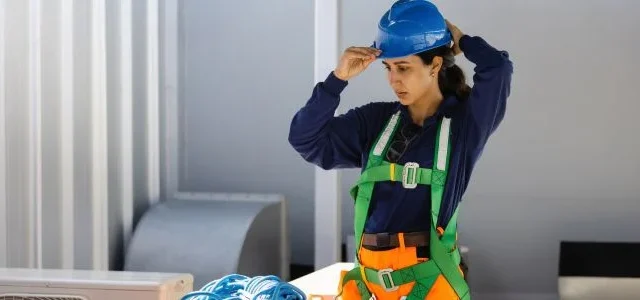
The preliminary nature of the 2026 report allows for a window of opportunity for firms to review their current practices. By analyzing the 4,041 fall protection violations, for example, a construction firm can evaluate if their current harness inspection schedules are adequate or if their site supervisors are sufficiently trained to recognize improper anchorage points.
Conclusion: A Continued Commitment to Safety
The release of the OSHA Top 10 list is a cornerstone event in the industrial calendar. As the agency prepares to release its full analysis in the coming months, the industry is reminded that workplace safety is a dynamic and evolving discipline. The 16-year reign of Fall Protection as the number one citation serves as a poignant reminder that even the most well-understood hazards require constant vigilance.

While the data shows a downward trend in total citations for the current fiscal year, the mission remains clear: the elimination of workplace injuries and fatalities is a goal that requires the cooperation of government regulators, private sector employers, and the workforce itself. As we move into the final quarter of the year, stakeholders are urged to review the preliminary findings and incorporate them into their strategic safety planning for the coming year. By doing so, the industry can hope to see a significant shift in these numbers when the 2027 list is eventually unveiled, moving toward a future where workplace hazards are not just managed, but effectively mitigated.