The Clinical Catalyst: Questioning Traditional Paradigms
The inception of VOZ SOS CAAPAZ was driven by a critical reassessment of traditional speech-language pathology (SLP) practices. Historically, many clinical models have prioritized verbal speech as the primary metric of communication success, often inadvertently marginalizing those who rely on AAC systems. For professionals like Ordóñez, the limitations of traditional therapy became increasingly apparent when observing the disconnect between individual clinical sessions and the realities of daily life for AAC users.
Ordóñez identified several fundamental shortcomings in the prevailing approach to AAC intervention: the lack of peer-to-peer connection among users, the insufficiency of exposure to multimodal models within isolated therapy sessions, and the failure to center the autonomy and lived experience of the AAC users themselves. These observations prompted a transition toward a "Relationship-Based Learning" model, which emphasizes horizontal interaction between users and their communication partners, ensuring that the communication environment is as vital as the technology itself.
Foundational Influences and Theoretical Frameworks
The development of VOZ SOS CAAPAZ was not an isolated occurrence but was shaped by three major intellectual and practical pillars that evolved throughout 2024 and 2025.
The first pillar was the "CAAmigos Angelman" program. This virtual, neuro-affirming educational initiative, which features collaboration with experts such as Claudia Marimón, provided a blueprint for moving beyond ableist therapy models. By adopting a "Comprehensive Literacy" approach, the program demonstrated that individuals with complex communication needs could achieve significant linguistic growth when provided with naturalistic, meaningful, and fun learning environments.
The second pillar was a paradigm shift in the academic and professional literature, specifically the 2025 article "Nothing About AAC Users Without AAC Users," published in the journal AAC by the International Society for Augmentative and Alternative Communication (ISAAC). Authored by non-speaking user Gran Blasko, the piece served as a mandate for the industry to include AAC users in every facet of research, technology design, and professional training. This publication acted as a turning point for clinicians, urging them to dismantle the "expert-as-gatekeeper" dynamic.
The third pillar involved the integration of pedagogical theories centered on shared, relational learning. By treating communication partners as "learners of the system," the project reframed the role of the therapist from an authority figure to a facilitator of authentic interaction.
Chronology of the VOZ SOS CAAPAZ Gatherings
The project’s operational timeline reflects a methodical approach to community building. Following the foundational research and networking phase, the project moved into the implementation stage in late 2025.
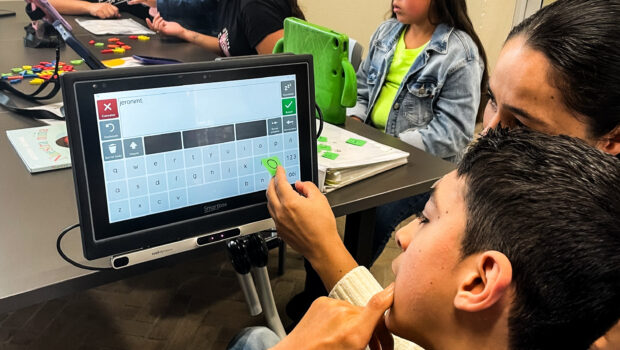
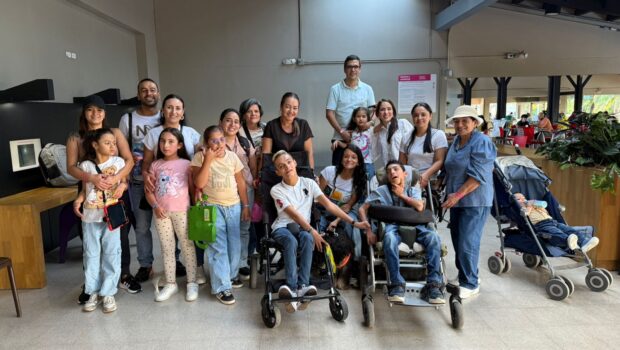
- October 2025: The inaugural event occurred during AAC Awareness Month at the Comfama Rionegro park. The gathering brought together six AAC users utilizing a variety of technologies—including Td Snap, Communicator 5, Proloquo2go, and Grid 3—alongside ten family members. This event served as a pilot to observe social dynamics, identify logistical challenges, and provide a public space for non-speaking individuals to demonstrate their communicative agency to the general public.
- February 2026: The initiative expanded into educational domains with a shared reading session at a public library in Rionegro. Focusing on the "Comprehensive Literacy" model defined by expert Erin Sheldon, the session prioritized the development of print knowledge through meaningful, text-based interactions. This marked a transition from casual social gathering to structured, skill-based community development.
Data and User Demographics
The participation metrics of the VOZ SOS CAAPAZ project underscore the diversity of the AAC user population. The initial gatherings have demonstrated that effective communication strategies are not "one-size-fits-all." The variety of systems employed—ranging from tablet-based software like Proloquo2go to sophisticated eye-tracking hardware integrated with Grid 3—highlights the necessity of individualized support.
Furthermore, the involvement of family members (parents and siblings) is a deliberate design choice. By training family units, the project ensures that the communicative environment is sustained beyond the monthly meetings. This aligns with global best practices in disability advocacy, which suggest that long-term communicative success is highly correlated with the consistency and quality of support within the home and local community.
Implications for the Future of AAC Practice
The broader implications of the VOZ SOS CAAPAZ project are twofold: it challenges local clinical standards in Colombia and contributes to a growing global discourse on neurodiversity and human rights.
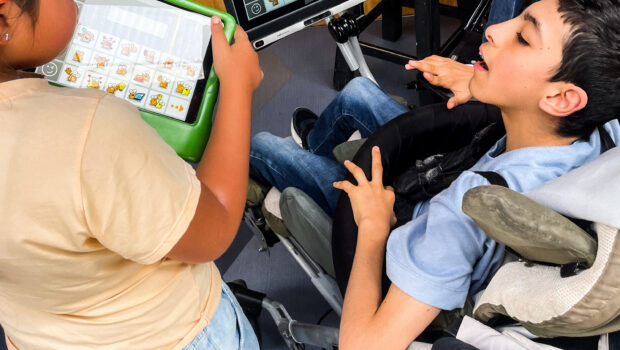
For the Speech-Language Pathology community, the project provides a replicable model for "presuming competence." By moving the location of therapy from the clinical office to the park or the library, practitioners are forced to adapt to real-world sensory inputs and social pressures, which often leads to more robust communication outcomes. The project also addresses the significant issue of social isolation among non-speaking individuals. As evidenced by the feedback from participant Pablo Andrés Calderón Gómez, these gatherings provide not only a platform for communication but a vital sense of belonging.
The project also highlights the urgent need for "systemic accessibility." When AAC users occupy public spaces like libraries or parks, they engage in a form of silent advocacy that forces the general public to confront their own biases regarding disability. As Ordóñez noted, the objective is not to "be the voice" for those who do not speak, but to ensure they have the tools and the spaces to project their own.
Conclusion and Ongoing Objectives
As VOZ SOS CAAPAZ moves forward, the primary goal remains the expansion of these inclusive spaces. While the current cadence is monthly, the long-term vision includes a more frequent, sustainable cycle of meetings that can accommodate a larger number of users across different regions of Colombia.
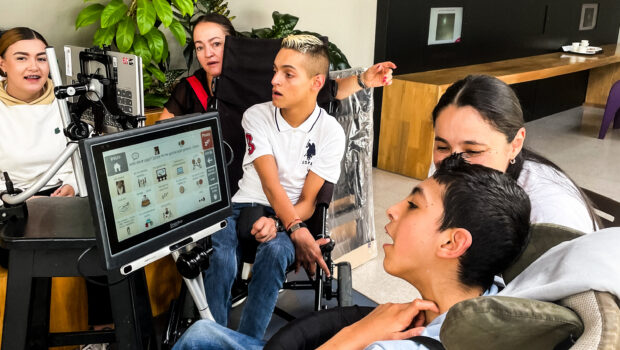
The success of the project thus far serves as a testament to the power of integrating evidence-based theory with a deep respect for human agency. By prioritizing autonomy, sensory needs, and the right to literacy, the VOZ SOS CAAPAZ project is setting a new standard for how AAC communities can be organized. For professionals and families alike, the message is clear: the path to meaningful communication lies not in the mastery of a device, but in the strength of the relationships and the inclusivity of the environments in which we choose to communicate. As the project continues to gain momentum, it serves as a critical reminder that everyone has a voice—it is merely a matter of providing the environment where that voice can be heard.