The Chronology of Intervention: A Proactive Clinical Approach
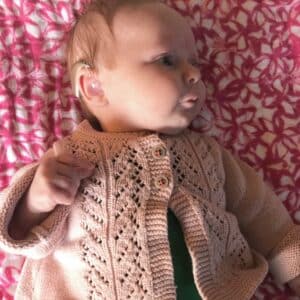
Marna’s clinical trajectory began almost immediately following her birth. The identification of congenital hearing loss in infants is a time-sensitive matter, as the window for neurological development of the auditory cortex is most plastic during the first three years of life. Marna was fitted with her first set of hearing aids at just two months of age. This early access to amplification was a precursor to more advanced interventions.
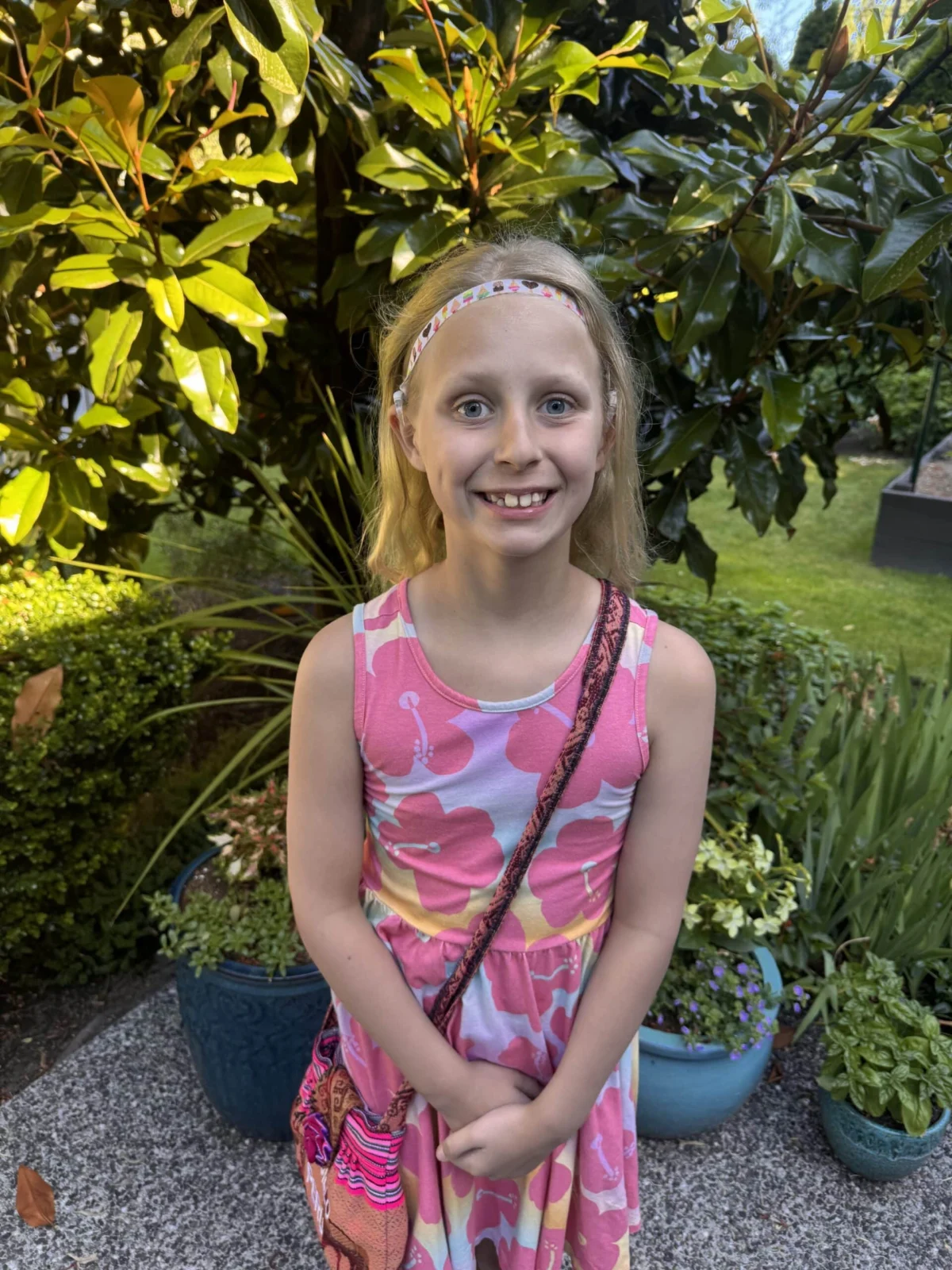
By twelve months, Marna underwent surgery for her first cochlear implant, a device that bypasses damaged hair cells in the cochlea to stimulate the auditory nerve directly. The placement of a second cochlear implant at the age of two completed her bilateral setup, allowing for improved sound localization and speech recognition in noisy environments—a vital requirement for integration into mainstream social and academic settings.
Following these medical milestones, the Klein family enrolled Marna in the Birth-to-3 program at Listen and Talk. This stage of her journey was characterized by home-based therapeutic sessions. During these visits, speech-language pathologists and auditory therapists provided the family with the necessary linguistic strategies to cultivate a language-rich environment. This period is widely recognized by pediatric specialists as the most critical phase for establishing the foundation of oral communication.
Between the ages of three and five, Marna transitioned into the Blended Classroom program. This environment is specifically designed to integrate children with hearing loss into a setting that mimics a typical preschool experience while providing specialized support. The program emphasizes peer-to-peer learning, allowing children to develop social-emotional skills alongside their auditory-verbal development.
Clinical Context and the Importance of LSL
The Listening and Spoken Language (LSL) approach utilized by programs like Listen and Talk is based on the premise that children who are deaf or hard of hearing can develop spoken language through the use of technology and specialized instruction. According to data from the Alexander Graham Bell Association for the Deaf and Hard of Hearing, children who receive early intervention, including cochlear implantation and consistent LSL therapy, often achieve language levels comparable to their hearing peers by the time they reach elementary school.
For families, the process is not merely about the child’s hearing; it is about the entire family system. The involvement of parents in therapy sessions ensures that the strategies practiced in a clinical or classroom setting are reinforced throughout the child’s daily routine. This collaborative model, often referred to as a "parent-coaching" approach, shifts the burden of therapy from the professional to the caregiver, empowering the family to facilitate the child’s development in natural environments.
Social Integration and Holistic Development
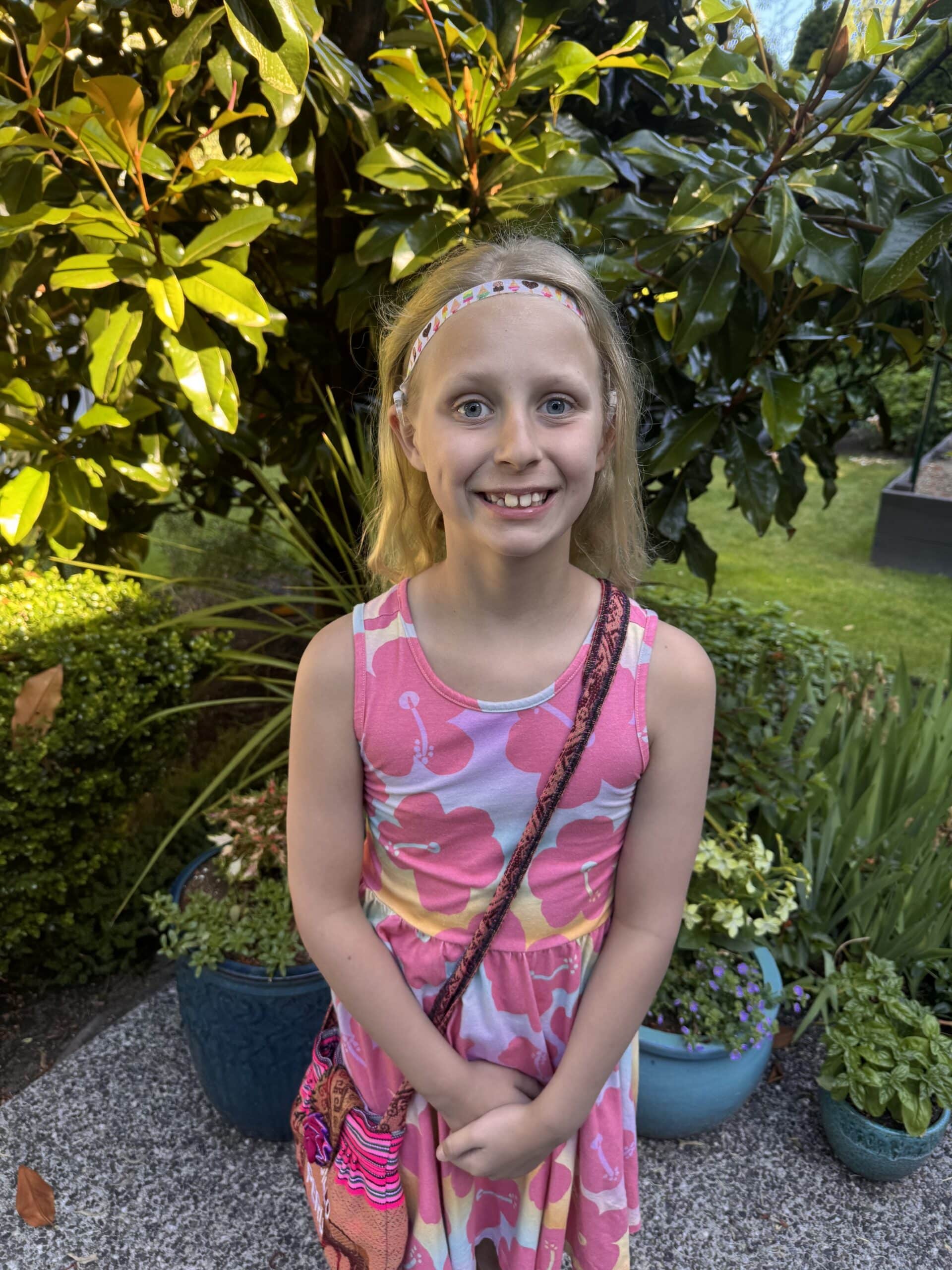
Beyond the technical success of her hearing restoration, Marna’s current life reflects a holistic outcome of her early training. Her participation in activities such as lacrosse, softball, soccer, and swimming demonstrates that physical limitations are not inherent to hearing loss when the child is provided with the correct tools and psychological support.
Psychologists specializing in pediatric hearing loss often note that self-advocacy is a key indicator of a child’s long-term success. Marna’s ability to navigate sports, social scouting circles, and academic environments at the age of eight suggests she has successfully internalized the skills needed to communicate her needs effectively. Her pride in her cochlear implants and her confidence in social settings are the direct results of an environment that prioritized her identity as a capable, communicative individual rather than a patient with a disability.
The Economic and Societal Implications of Early Intervention
The long-term impact of early intervention programs extends well beyond the individual. Research consistently demonstrates that the economic benefits of early intervention are substantial. By equipping children with the tools for effective communication, society reduces the future need for specialized education services, potential vocational support, and long-term disability assistance.
A study published in the Journal of Deaf Studies and Deaf Education suggests that for every dollar invested in early childhood hearing intervention, there is a significant return in terms of lifetime productivity and reduced social service costs. Programs like Listen and Talk rely heavily on private support and philanthropic efforts, such as the current Alumni Family Giving Campaign, to sustain these high-touch services. These campaigns bridge the gap between public funding and the actual cost of providing high-quality, specialized instruction.

The Role of Alumni and Community Support
The sustainability of organizations providing LSL services is a matter of concern for public health advocates. As more children are diagnosed via universal newborn hearing screening, the demand for specialized educational settings continues to rise. The "Alumni Family Giving Campaign" mentioned in Marna’s case is reflective of a larger trend in the non-profit sector where success stories are used to secure the future of the organization.
The philosophical underpinnings of this campaign—that "no child is limited by hearing loss"—serve as a rallying cry for parents and alumni to reinvest in the community that provided them with foundational support. For the Klein family, the decision to participate in this campaign is a recognition that Marna’s success was not an isolated event, but the result of a deliberate, sustained, and well-funded educational infrastructure.
A Future-Facing Analysis
As Marna continues her primary education, the focus for the Listen and Talk alumni community shifts toward long-term tracking. Data on students who have successfully integrated into mainstream classrooms suggest that while early intervention provides a strong start, ongoing support in self-advocacy and technological troubleshooting remains necessary.
The integration of digital health, such as remote microphone technology and improved speech processing in newer generations of cochlear implants, continues to enhance the auditory experience for children like Marna. However, technology remains only one component of the equation. The human element—the teacher who understands the nuances of language delay, the peer who understands how to communicate clearly, and the parent who understands how to foster confidence—remains the bedrock of progress.
In summary, Marna Klein’s experience provides a compelling narrative that validates the current standards of care in pediatric audiology. Her transition from a toddler with hearing aids to an active, socially engaged eight-year-old underscores the necessity of timely medical intervention coupled with long-term, specialized educational support. As philanthropic efforts continue to fund these initiatives, the prospects for children born with hearing loss are increasingly positive, pointing toward a future where early diagnosis and comprehensive support effectively remove the barriers that were once considered insurmountable. The work carried out by institutions like Listen and Talk remains a vital component of this progress, ensuring that the next generation of children with hearing loss can, like Marna, live their lives at "full volume."