The Biomechanics of Expression: Hands as Primary Tools
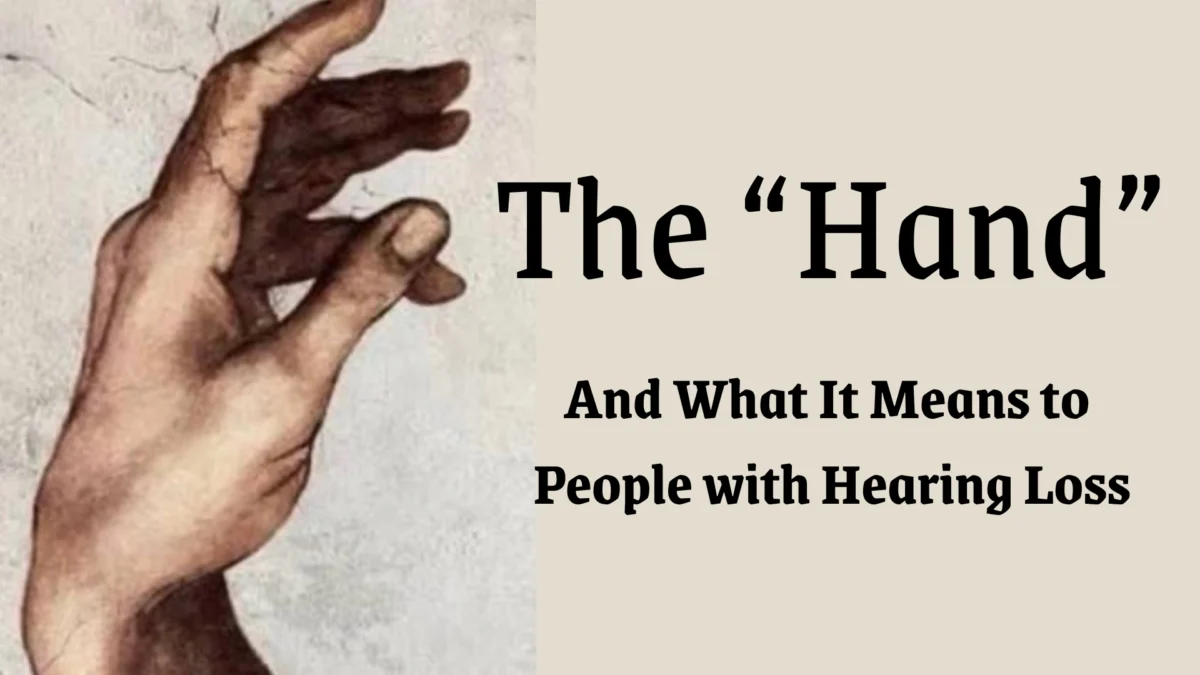
Physiologically, the hand is a highly evolved appendage. Its intricate network of bones, muscles, tendons, and nerves grants it unparalleled dexterity, enabling fine motor skills critical for everything from writing and crafting to operating complex machinery. In the digital age, this dexterity extends to seamless interaction with technology; the opposable thumb, a hallmark of human evolution, facilitates rapid and intuitive engagement with touchscreens, making devices accessible and efficient. However, the true depth of the hand’s utility transcends these physical interactions, delving into the realm of social and emotional exchange.
For individuals with varying degrees of hearing acuity, the visual information conveyed by hands in motion is not merely supplementary but often foundational to comprehension. This phenomenon is a core component of what is more accurately termed "speechreading," a comprehensive visual interpretation strategy that extends far beyond the common misnomer "lipreading." Speechreading encompasses observing not just the lips, but also the eyes, facial expressions, body language, and, crucially, hand gestures. This holistic approach allows individuals to piece together the narrative of a conversation, mitigating the information gap created by diminished auditory input.
Beyond the Spoken Word: Gestures as Universal Communicators
Hand gestures are an intrinsic, often unconscious, element of human interaction, transcending linguistic and cultural boundaries. Research in kinesics, the study of body movement as a form of non-verbal communication, reveals that gestures are deeply embedded in how humans process and express thoughts. They serve as visual anchors, reinforcing spoken words, conveying emotional nuance, and providing clarity where verbal articulation might fall short.
Across diverse cultures, gestures play distinct and vital roles. In some societies, such as Italy, hand gestures are not merely embellishments but an integral part of the linguistic fabric. Studies indicate that Italians employ an estimated 250 distinct hand gestures, each carrying specific meanings, to emphasize points, express emotions ranging from joy to frustration, and clarify intentions in spoken conversations. These gestures are not random movements but a sophisticated, culturally sanctioned lexicon that enriches and intensifies communication, demonstrating the profound interplay between verbal and non-verbal cues. This rich gestural vocabulary underscores that, for many, communication is an embodied experience, where meaning is co-constructed through both sound and sight.
Even in cultures less overtly gestural, subtle hand movements contribute significantly to the overall message. They can indicate the size or shape of an object, point to a direction, signal agreement or disagreement, or simply punctuate a sentence, adding rhythm and emphasis. Neuroscientific studies have shown that observing gestures activates similar brain regions as processing spoken language, suggesting an inherent link between these two modes of expression.
The Critical Nexus: Hand Gestures and Hearing Loss
For the estimated 430 million people worldwide living with disabling hearing loss, as reported by the World Health Organization (WHO), the role of hand gestures shifts from an enhancement to a critical necessity. While formal sign languages, such as American Sign Language (ASL) or British Sign Language (BSL), represent fully fledged linguistic systems with their own grammar and syntax, the spontaneous, informal hand gestures used by hearing individuals still provide invaluable data. These movements offer a visual scaffold that supports the interpretation of speech, especially when the clarity of auditory signals is compromised.
When auditory information is incomplete or distorted, the visual cues from hands can fill in crucial gaps, aiding comprehension of meaning, emotion, and speaker intent. For instance, a speaker describing a large object might spread their hands wide, or express frustration by clenching a fist, offering visual reinforcement that helps a speechreader grasp the full context of the message. This reliance on visual information highlights the urgent need for communication partners to be mindful of their non-verbal cues.
Navigating Communication Challenges: The Double-Edged Nature of Hand Cues
Despite their immense utility, hand gestures are not without their complexities, particularly in the context of hearing loss. Certain gestural cues, while perhaps unintentional, can inadvertently create barriers or cause distress, transforming a potential aid into a source of frustration or exclusion.
One common scenario involves the "wait" gesture, where a raised hand signals to an individual with hearing loss that someone else is speaking or about to speak. While seemingly benign, this gesture often accompanies "overtalking," a situation where multiple people speak simultaneously, making it incredibly challenging for a speechreader to follow any single conversation thread. Being caught "overtalking" can be embarrassing, often leading individuals with hearing loss to withdraw from the conversation altogether to avoid further social discomfort. This dynamic underscores a broader issue of communication etiquette that often overlooks the specific needs of those who rely on visual cues. The implication is a subtle yet powerful dismissal, suggesting that their contribution or comprehension is secondary to the flow of the general conversation.
Perhaps more damaging is the "dismissive wave," a small, often exasperated flick of the hand accompanied by phrases like "oh, never mind" or "it wasn’t important." For someone struggling to understand, this gesture is not merely an indication of triviality; it is a profound act of dismissal. It implies that their effort to comprehend is not worth the communication partner’s effort to repeat or rephrase. This can lead to feelings of being undervalued, unheard, and excluded, severely impacting self-esteem and social engagement. Communication experts emphasize that if a message was worth articulating once, it is worth repeating, especially when addressing someone with a communication barrier. The onus should always be on the speaker to ensure comprehension, rather than placing the burden of misunderstanding on the listener.
Furthermore, the interpretation of hand gestures is not always straightforward. While many gestures are universally understood, others can be culturally specific or even ambiguous. A person’s natural mannerisms, such as fidgeting, gesticulating excessively, or making seemingly random movements (like swatting at invisible flies), can be distracting for a speechreader, diverting attention from the more pertinent visual cues of the face and lips. Misinterpretation of gestures can lead to confusion, incorrect inferences about a speaker’s intent, and further communication breakdowns, highlighting the delicate balance required in visual communication.
Expert Perspectives and Best Practices in Inclusive Communication
Communication specialists, audiologists, and disability advocates consistently emphasize the importance of intentionality and empathy in communication. Dr. Sarah Johnson, a leading audiologist, notes, "Effective communication is a shared responsibility. For individuals with hearing loss, every visual cue becomes a piece of the puzzle. Intentional gestures, clear facial expressions, and patience in repetition are not just courtesies; they are fundamental accessibility tools."
Key best practices for fostering inclusive communication environments include:
- Maintaining Eye Contact: Directly engaging with the person ensures they have a clear view of your face and hands.
- Clear Articulation and Moderate Pace: Speaking clearly without exaggerating lip movements, and at a slightly slower pace, significantly aids speechreading.
- Conscious Use of Gestures: Utilizing natural, deliberate hand gestures that complement spoken words can greatly enhance comprehension. Avoid distracting or ambiguous movements.
- Patience and Repetition: Being willing to repeat or rephrase information using different words or visual aids is crucial. Never dismiss a question or a request for clarification.
- Awareness of Environment: Minimizing background noise and ensuring adequate lighting can optimize the visual communication environment.
- Confirming Understanding: Regularly checking for comprehension ("Did that make sense?") empowers the individual with hearing loss to seek further clarification without embarrassment.
These strategies are not merely prescriptive rules but embody a broader commitment to creating truly inclusive social spaces where everyone has the opportunity to participate fully and meaningfully.
Societal Implications and the Call for Empathy
The broader impact of effective versus ineffective communication extends far beyond individual interactions, touching upon societal inclusion, mental health, and economic participation. Communication barriers contribute significantly to social isolation, anxiety, and depression among individuals with hearing loss. The constant effort required to understand, coupled with the frequent experience of being misunderstood or dismissed, can lead to chronic stress and a reduced quality of life.
From an economic perspective, communication barriers can hinder educational attainment and professional advancement. The inability to fully participate in classroom discussions or workplace meetings can limit opportunities, leading to underemployment or unemployment. Governments and organizations worldwide are increasingly recognizing these challenges, implementing policies and initiatives aimed at improving communication accessibility, from mandating captioning services to promoting disability awareness training.
The ethical imperative for creating accessible communication environments is clear. It is about recognizing the inherent dignity of every individual and ensuring their right to participate fully in society. Empathy, defined as the ability to understand and share the feelings of another, is the cornerstone of this effort. When communication partners consciously adapt their style, they demonstrate respect and foster genuine connection.
The Future of Communication: Technology and Human Connection
While technology offers promising avenues for enhancing communication accessibility—such as real-time AI-powered captioning, transcription services, and advanced hearing aids—the fundamental human element of gestural communication remains irreplaceable. Technology can augment, but it cannot fully replicate, the nuanced, spontaneous, and emotionally rich exchange that occurs through direct human interaction, where hands play a pivotal role. Video conferencing platforms, for instance, have become vital tools, yet they highlight the importance of visual clarity, stable connections, and the ability to see a speaker’s face and hands clearly for effective communication.
Conclusion
The human hand, in its multifaceted capacity, is a powerful instrument of meaning and connection. While its physical utility is undeniable, its most profound impact lies in its ability to transcend the spoken word, conveying emotion, emphasis, and clarity, especially for individuals with hearing loss. The distinction between gestures that connect and those that dismiss underscores a critical aspect of inclusive communication. When used thoughtfully and intentionally, hands become bridges, facilitating understanding and fostering genuine human connection. Conversely, when used carelessly or dismissively, they erect barriers, leading to feelings of isolation and invalidation. Therefore, recognizing and harnessing the silent language of hands with awareness and empathy is not just a courtesy; it is a fundamental act of inclusivity, essential for building a society where every voice, heard or unseen, is valued and understood.