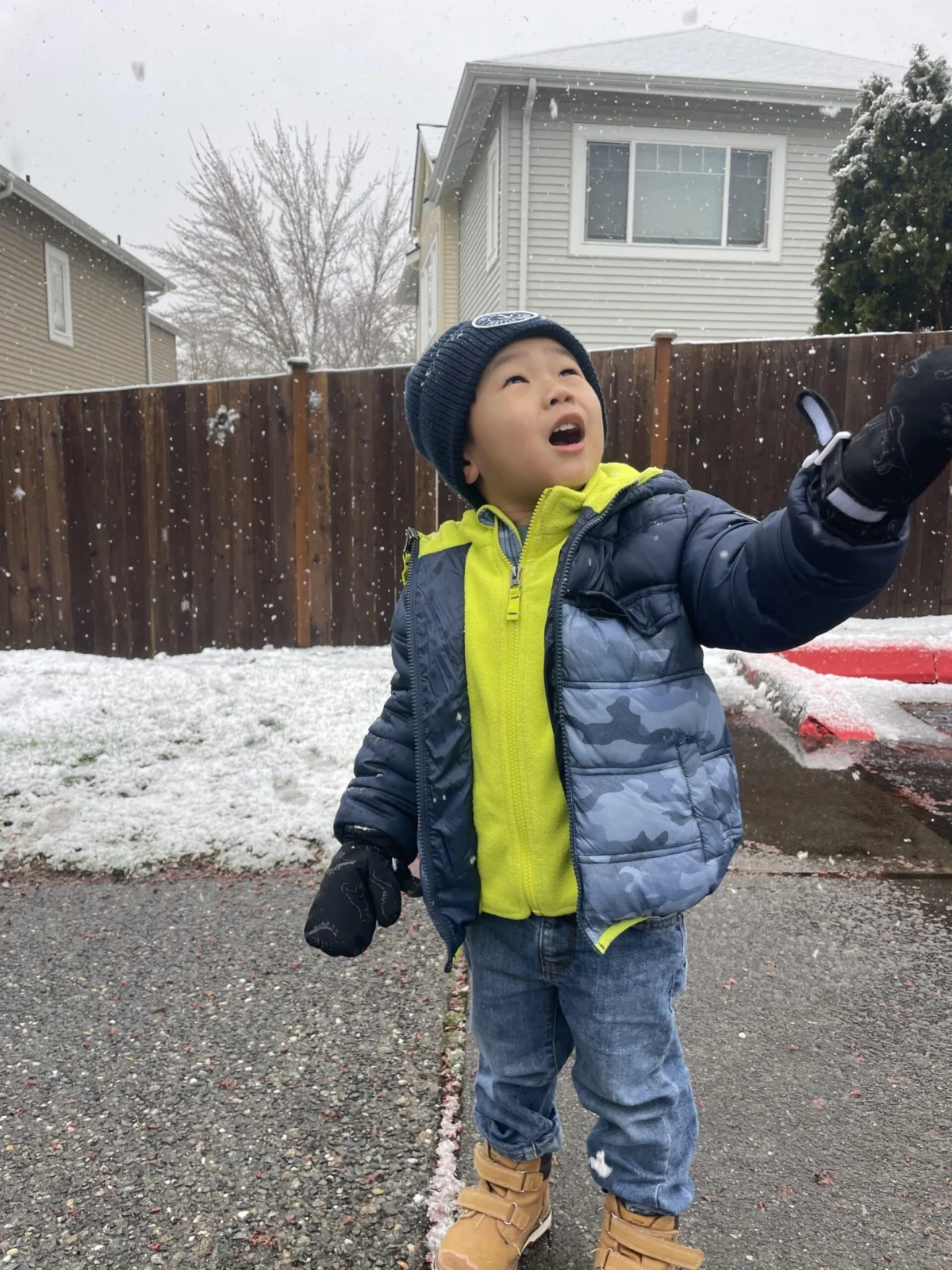
The Clinical Reality of Auditory Neuropathy Spectrum Disorder
Auditory Neuropathy Spectrum Disorder (ANSD) represents a complex hearing condition where the inner ear successfully detects sound, but the transmission of those signals through the auditory nerve to the brain is impaired. Unlike sensorineural hearing loss, which is often characterized by a lack of clarity across all frequencies, ANSD presents unique challenges in sound processing, particularly regarding speech discrimination in noisy environments.
For parents like Lace Yamamoto, the diagnosis of ANSD in their son shortly after birth initiated a complex journey through the healthcare system. Clinical data indicates that early detection—ideally within the first three months of life—is the single most significant predictor of future academic and social success. By identifying the need for auditory support early, families can introduce amplification technology, such as hearing aids or cochlear implants, during the critical period of neural plasticity.
A Chronology of Early Intervention
The path from diagnosis to successful integration follows a rigorous, evidence-based timeline designed to maximize developmental outcomes:
- Newborn Screening and Diagnosis: The initial identification of hearing loss occurs via standardized screening, followed by diagnostic evaluations from pediatric audiologists.
- Technological Implementation: Following diagnosis, clinicians work to fit appropriate amplification devices. For patients like Raiden, this includes personalized hearing aids tailored to address moderate-to-severe high-frequency loss.
- Adaptive Therapy: Once technology is in place, children begin intensive speech and language therapy to bridge the communication gap created by the initial hearing deficit.
- Classroom Integration: The transition into a blended classroom environment typically occurs between the ages of three and five, allowing children to engage with peers while receiving targeted support.
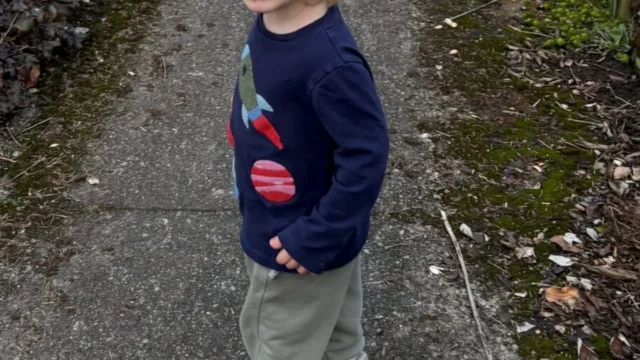
In the case of Raiden, the decision to commit to a specialized program involved overcoming logistical hurdles, specifically a daily one-hour commute. However, the decision was predicated on the availability of on-site audiology services and classroom amplification technologies—a standard of care that is rarely available in general-education preschool settings.
The Blended Classroom Model: A Strategic Approach
The "Blended Classroom" model, as utilized by Listen & Talk, integrates children with hearing loss with typically hearing peers. This structure is grounded in the principle of auditory-verbal therapy, which emphasizes the use of residual hearing through amplification to develop spoken language.
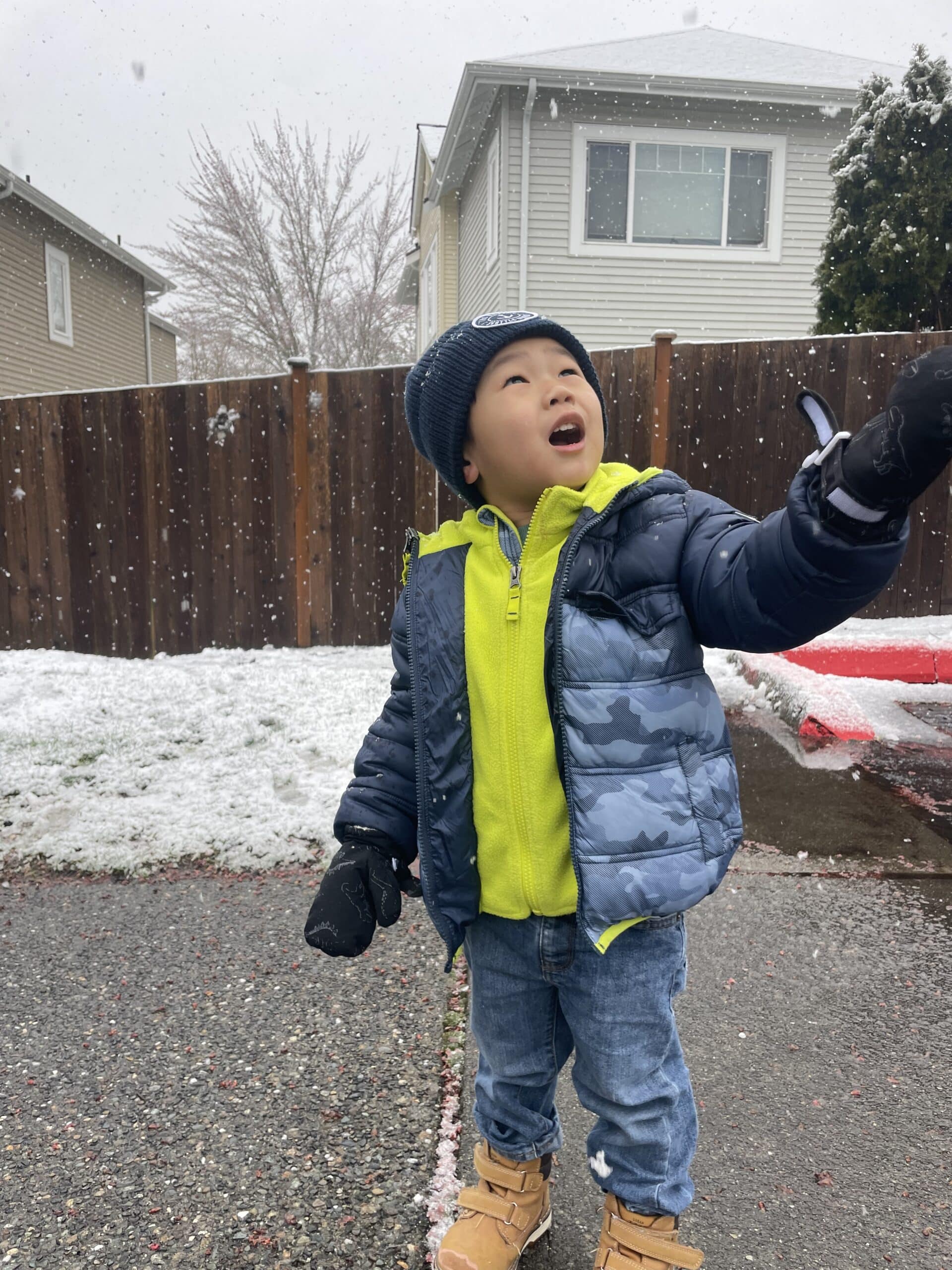
The pedagogical strategy relies on two primary pillars:
- Auditory-Rich Environment: The classroom is engineered to minimize acoustic interference and maximize the clarity of speech. Teachers utilize wireless microphone systems that stream directly to the students’ hearing devices, ensuring that instructional language remains consistent and audible regardless of ambient noise.
- Advocacy and Independence: A core objective of the program is to instill self-advocacy in children at an early age. By navigating social interactions with typically hearing peers while managing their own hearing technology, students develop the skills necessary for long-term success in mainstream K-12 education systems.
Statistical Impact and Developmental Milestones
Research into inclusive education indicates that children with hearing loss who participate in integrated settings demonstrate superior outcomes in vocabulary acquisition and social competence compared to those in isolated environments.
For Raiden, the progress has been measurable. Within months of entering the blended program, his linguistic capacity evolved from 1-2 word utterances to 3-4 word phrases, and he began initiating spontaneous conversation. Furthermore, consistent support from therapists has helped mitigate "ear defensiveness," a common psychological hurdle where children resist wearing hearing aids due to sensory sensitivity or the novelty of the device.
The Economic and Social Necessity of Specialized Services
The broader implications of these programs extend far beyond the individual child. As a social impact enterprise, organizations like Listen & Talk function as a vital component of the public health infrastructure. The costs associated with early intervention—including speech therapy, audiology equipment, and specialized educator training—are substantial.
However, economic analysis suggests that the return on investment for early intervention is significant. Children who achieve early language proficiency are statistically more likely to graduate from high school, secure stable employment, and achieve independent living status. Conversely, failing to provide these resources during the preschool years often leads to increased long-term expenditures in special education and public social services.
Bridging the Gap: Official Perspectives on Hearing Accessibility
Industry experts emphasize that the vision of "no child limited by hearing loss" requires a multifaceted approach involving policy, philanthropy, and community engagement. The funding of these programs remains a challenge, as many families face high costs for specialized audiology and speech-language pathology.
"The goal is to ensure that the environment is no longer the limiting factor," notes a representative from the audiology sector. "When a child has access to high-quality amplification and a curriculum that teaches them how to communicate their needs, the clinical gap begins to close."

Addressing Microtia and Atresia
While programs like these support a wide range of hearing conditions, they also provide critical resources for children with specific congenital conditions such as microtia (malformation of the external ear) and aural atresia (absence or closure of the ear canal). These conditions often require a combination of surgical intervention and specialized bone-conduction hearing systems. The availability of on-site audiology support allows these children to receive immediate troubleshooting and adjustment of their devices, which is critical for ensuring consistent access to sound throughout the school day.
The Role of Philanthropy in Sustaining Access
Because these specialized services are often not fully covered by standard insurance or public school budgets, they rely heavily on philanthropic support. Donors play a crucial role in maintaining the "social impact enterprise" model, ensuring that facilities remain equipped with the latest hearing technologies and that staff-to-student ratios remain low enough to provide individualized care.
Public contributions fund a variety of essential services, including:
- Early Intervention Services: Home and center-based support for infants.
- Professional Development: Training for teachers to manage acoustic classroom environments.
- Parent Education: Classes that empower caregivers to advocate for their children within the medical and educational systems.
Future Outlook and Scalability
As technology continues to advance, the potential for better outcomes for children with hearing loss grows. The integration of artificial intelligence in hearing aids—allowing for real-time noise suppression and environmental adaptation—is already beginning to change how these children experience the world.
However, technology alone is insufficient. The success stories emerging from blended classrooms highlight that the human element—compassion, consistent therapy, and the deliberate creation of inclusive social environments—remains the bedrock of progress. For families navigating the uncertainty of a new diagnosis, the availability of these programs provides more than just educational support; it provides a pathway toward a future where hearing loss does not dictate a child’s developmental ceiling.
As Raiden continues his journey, the evidence of his growth stands as a testament to the efficacy of early, targeted intervention. By normalizing the use of assistive technology and fostering an environment where advocacy is a practiced skill, programs like those at Listen & Talk are setting a new standard for how society supports children with hearing differences. The continued expansion of these models is essential to ensuring that every child, regardless of their starting point, has the opportunity to reach their full communicative and academic potential.