The Scale of the Challenge
The necessity for such an intervention is grounded in stark demographic and clinical realities. Hearing health is often overlooked until significant damage occurs, yet the statistics regarding auditory trauma are sobering. According to recent public health data, approximately one in seven adults in the United Kingdom experiences tinnitus—a persistent ringing or buzzing in the ears that can profoundly impact quality of life, sleep, and mental wellbeing. Within the music industry itself, the prevalence is even higher, with one in three musicians reporting symptoms associated with noise-induced hearing loss.
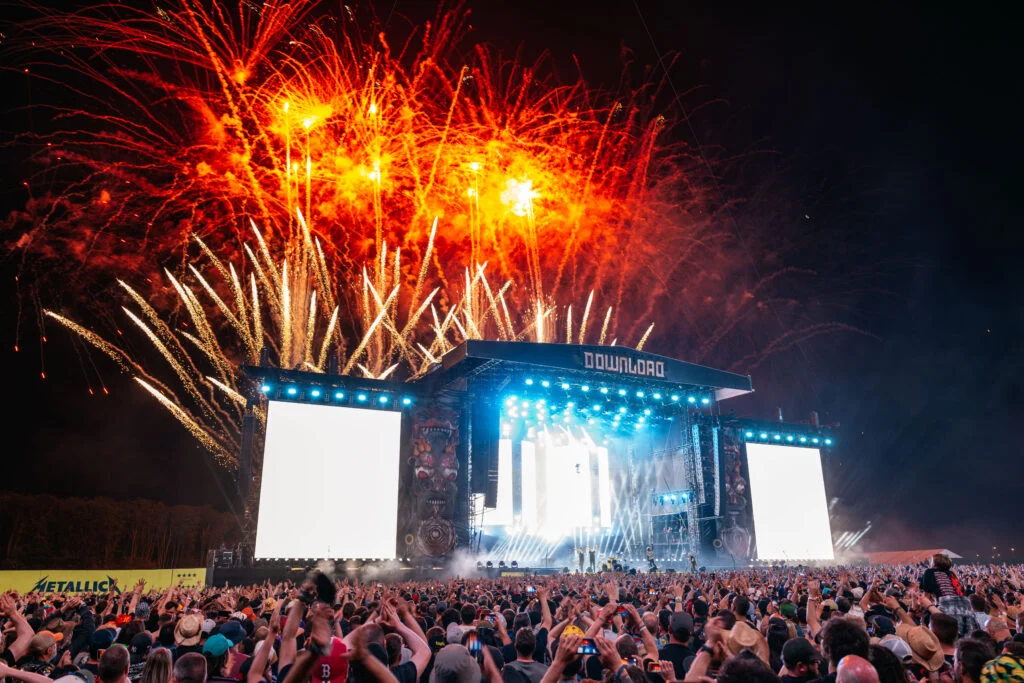
Exposure to excessive sound pressure levels (SPL) is the primary driver of preventable hearing damage. In a festival setting, where decibel levels frequently exceed safe thresholds for extended periods, the risk to both the performer and the patron is elevated. Despite this, the adoption of protective measures—such as high-fidelity earplugs—has historically lagged behind other safety protocols, such as hydration or crowd management. Tinnitus UK’s presence at Download was designed to bridge this gap by transforming hearing protection from a clinical afterthought into a normalized, accessible, and even stylistic element of the festival aesthetic.
Chronology of the Partnership
The roots of this collaboration can be traced back to the extensive awareness efforts conducted during Tinnitus Week 2026, which saw unprecedented engagement across digital and traditional media platforms. Recognizing that a digital campaign could only reach so far, Tinnitus UK identified Download as the optimal environment to translate abstract health warnings into practical, on-the-ground action.
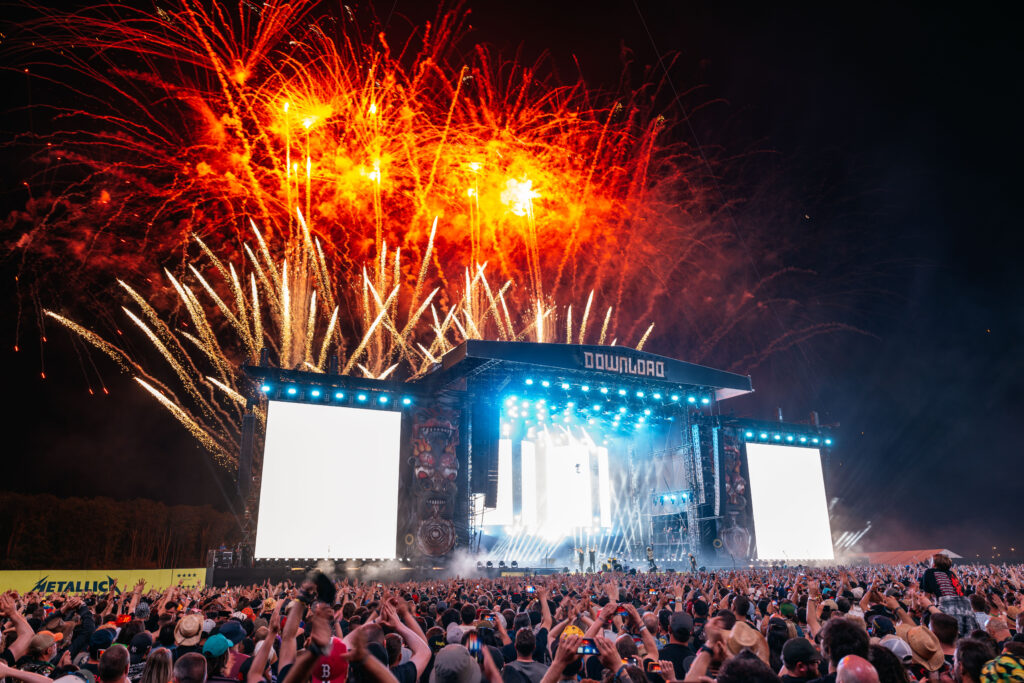
The logistical planning for the partnership began in early 2026, involving coordination between Live Nation’s health and safety teams and clinical experts from Tinnitus UK. By the time gates opened in June, the infrastructure was firmly in place:
- Pre-Festival (February–May 2026): Development of educational materials and coordination with artist management to ensure a unified message.
- Festival Week (June 2026): On-site installation of information hubs, distribution of free earplugs, and the implementation of sensory-inclusive infrastructure, including British Sign Language (BSL) interpretation and specialized hearing loops for those with assistive devices.
- Post-Festival (July 2026): Initiation of data collection regarding earplug distribution rates and qualitative feedback from festival-goers to inform future event planning.
Insights from the Stage
The message that hearing protection is non-negotiable was echoed by a diverse array of artists throughout the weekend. The shift in industry culture is perhaps best exemplified by the candid testimonies of those who have navigated the rigors of touring. Alice from Lake Malice highlighted the importance of sensory management, noting that while loud music is the vocation, finding "quiet time" and utilizing moulded in-ear monitors are essential professional survival skills.
The sentiment of hindsight was a recurring theme among veteran performers. Foley, the drummer for the band As It Is, provided a particularly visceral warning, citing two perforated eardrums as a direct consequence of early-career exposure without protection. His experience, which included consultation with audiologists who noted damage typically associated with degenerative conditions, serves as a cautionary tale for the next generation of performers.
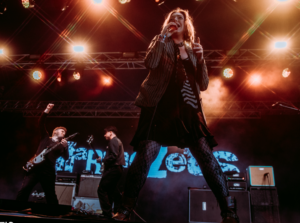
Similarly, Becca from Marmozets noted a fundamental evolution in her personal habits. "We’ve been doing this a while and now we really understand the importance of hearing protection," she remarked, emphasizing that she now keeps protective gear attached to her keys, ensuring she is never caught without it. This transition from "late to the party" to proactive advocacy was a sentiment shared by members of RXPTORS, who admitted to learning the hard way that a career in music requires a long-term commitment to physiological maintenance.
The Normalization of Protection
One of the most significant achievements of the partnership was the visible integration of earplugs into the festival culture. By making high-quality protection freely available, the organizers effectively lowered the barrier to entry for fans who might otherwise have gone unprotected.
The social impact of this initiative was noted by influencers and creators such as Stephanie, who observed that hearing protection is evolving into a fashion statement rather than a clinical necessity. When protection is presented as a cool, functional, and easily accessible accessory, the psychological barrier to use drops significantly. This approach was supported by Robyn Ward, "The Metal Therapist," who emphasized that even if fans arrive unprepared, the presence of on-site distribution points acts as a crucial safety net.
Broader Implications for the Live Music Industry
The collaboration between Tinnitus UK and Live Nation represents a potential blueprint for the future of large-scale events. The implications for the broader industry are threefold:
- Risk Mitigation and Liability: As awareness of noise-induced hearing loss grows, festivals and event promoters face increasing pressure to adopt more rigorous safety standards. Proactive measures, such as those implemented at Download, demonstrate a commitment to duty of care that could soon become an industry standard.
- Accessibility Standards: The integration of hearing loops and BSL, alongside earplug distribution, suggests a more inclusive vision for live music. By catering to those with existing hearing conditions while simultaneously preventing new ones, festivals can foster a more diverse and long-term audience base.
- Cultural Shift: By leveraging the influence of artists to promote hearing health, the industry can effectively change the "macho" narrative that equates loud, unprotected volume with an authentic rock experience. The testimony of musicians who are now advocates for their own health is far more persuasive to the average fan than a generic safety warning.
Looking Toward the Future
The success of the Download 2026 initiative underscores a vital conclusion: hearing health and live music are not mutually exclusive. The festival environment can remain a place of high energy and profound connection while also serving as a space for health education and preventative care.
As Tinnitus UK looks toward the coming years, the goal is to expand this model to other major festivals and venues across the country. The evidence collected at Donington Park suggests that when the industry takes the lead in normalizing protection, the audience is eager to follow. Small, practical actions—such as making earplugs as common as wristbands or event maps—have the potential to save the hearing of thousands of fans and performers alike.
In the final analysis, the partnership has proven that the "sound of the future" depends entirely on our ability to protect the ears of the present. By fostering an environment where hearing health is discussed openly and protected consistently, the music industry is not just ensuring the longevity of its fans; it is ensuring the longevity of the music itself. The legacy of Download 2026 will likely be measured not just in ticket sales or headline performances, but in the sustained hearing health of the community that makes the festival possible.