A Chronology of Diagnosis and Early Support
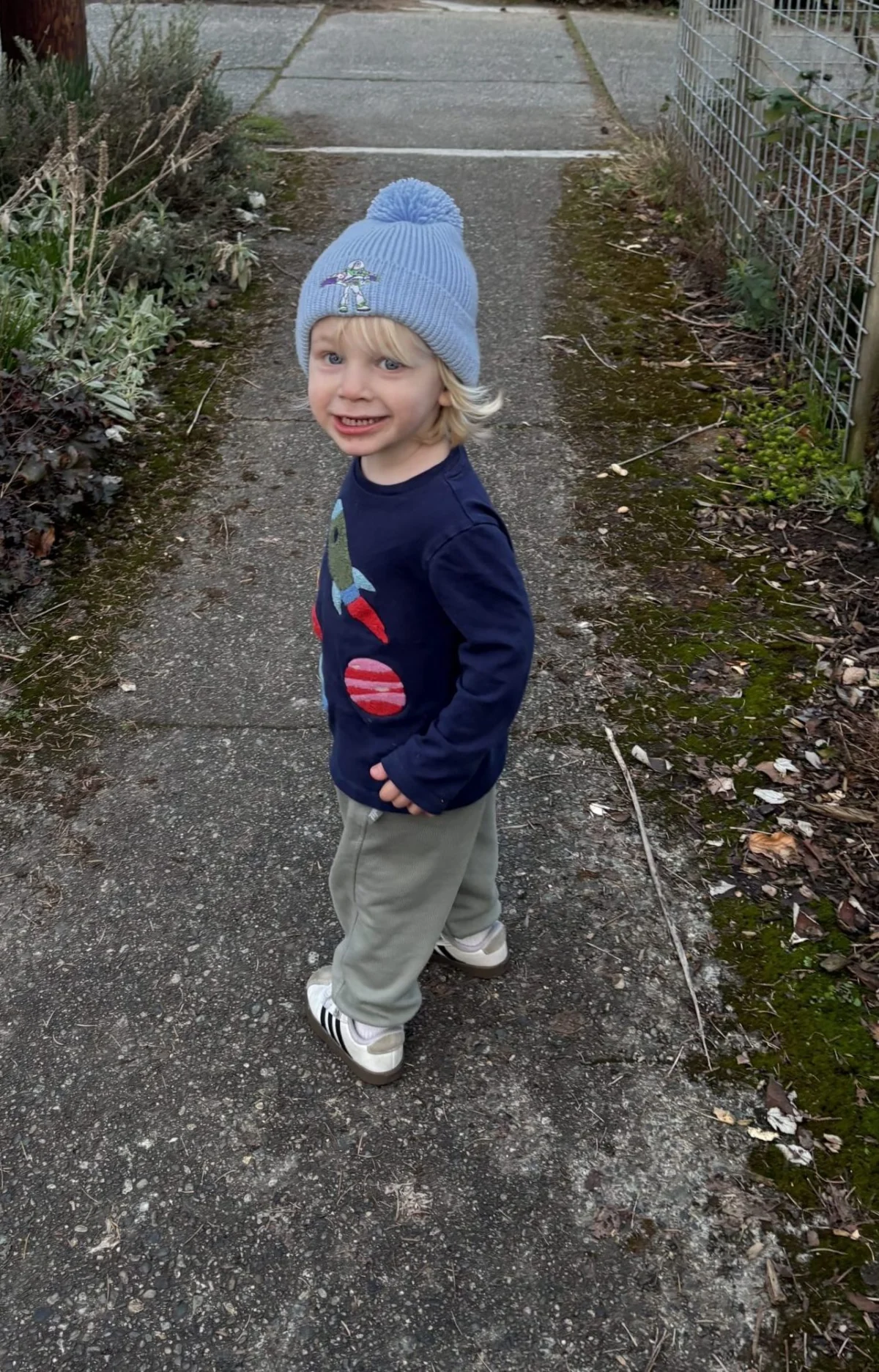
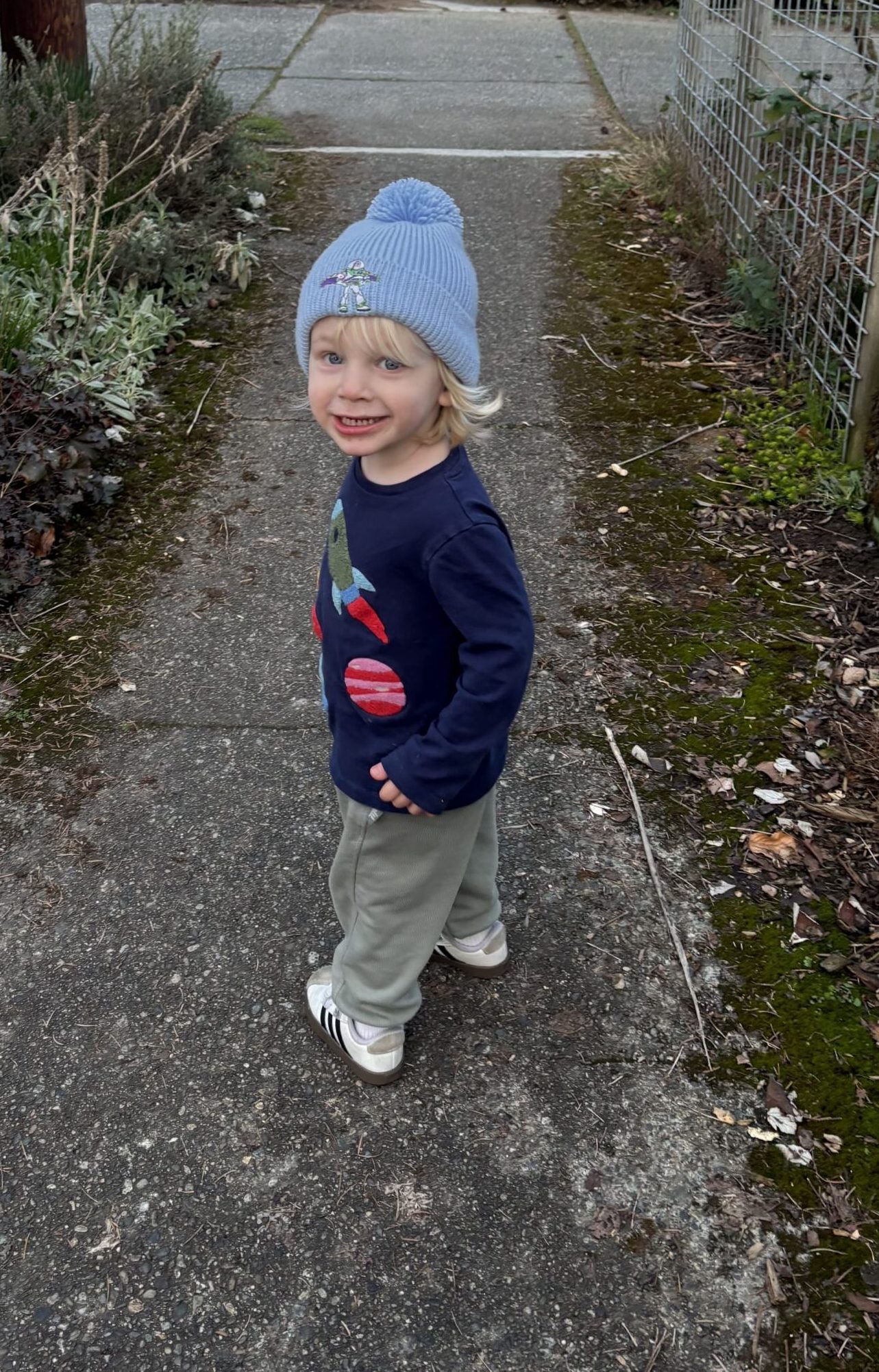
Landon’s experience began at two months of age when he failed his initial newborn hearing screening. This common but critical medical indicator triggered a series of diagnostic evaluations, eventually leading to a diagnosis of mild-moderate bilateral sensorineural hearing loss. Further genetic testing identified a specific mutation involving the deletion of both the STRC and CATSPER2 genes. This specific genetic profile affects the hair cells within the inner ear, creating significant challenges in perceiving higher-frequency sounds, such as the sibilant sounds in speech or the ambient noise of running water.
The timeline for Landon’s intervention was aggressive and intentional. By the age of three months, his family had connected with Listen and Talk, an organization specializing in early intervention for deaf and hard-of-hearing children. By 17 months, Landon was fitted with hearing aids, a milestone that marked the beginning of his transition toward improved auditory access. Throughout this period, the family worked closely with a dedicated program specialist, Meghan, whose role evolved from a service provider to a vital source of guidance and emotional support during the high-stress diagnostic phase.
The Role of Early Intervention in Neurodevelopment
The importance of early intervention in cases of pediatric hearing loss is well-documented in audiological and educational research. According to data from the National Institute on Deafness and Other Communication Disorders (NIDCD), the first three years of life represent a critical period for speech and language development. Children who receive intervention before six months of age typically show significantly higher language proficiency scores compared to those who receive support later in childhood.
For families, early intervention is not merely about medical equipment; it involves a holistic approach that includes parental training. As seen in Landon’s case, this encompasses troubleshooting hearing technology, implementing reading techniques designed to enhance auditory processing, and creating environments that reduce cognitive fatigue. These home-based services serve as a bridge, preparing both the child and the family for the transition into educational settings.
Implementing Structural Support in the Classroom
A significant hurdle for children with hearing loss is the management of ambient noise and auditory fatigue within a classroom. Specialists like Meghan work to mitigate these challenges by implementing evidence-based environmental modifications. Key strategies include:
- Proximity Placement: Ensuring the student is seated in close proximity to the instructor to minimize the signal-to-noise ratio.
- Noise Reduction: Minimizing background distractions to help the student focus on primary speech sounds.
- Fatigue Management: Recognizing that children with hearing loss exert significant cognitive effort to interpret auditory information, leading to "hearing fatigue." Allowing for breaks or "down-time" is essential for sustained learning.
These modifications, when implemented consistently, prevent the child from falling behind their typically hearing peers. In the case of Landon, the collaboration between his home specialist and his preschool teachers ensured that these strategies were integrated into his daily routine, allowing him to thrive in a social setting.
The Blended Classroom Model: A Path to Inclusion
Listen and Talk utilizes a "Blended Classroom" model, which integrates children with hearing loss into an auditory-rich environment alongside typically hearing peers. This model is designed to foster social-emotional growth while providing the necessary academic support for those with hearing loss.
The pedagogical value of the blended classroom lies in the integration of specialized speech therapy within the school day. By receiving pull-out therapy in the same building as their primary instruction, children are better able to connect their therapeutic goals to their academic experiences. Perhaps most importantly, this model focuses on the development of advocacy skills. As these children prepare for the transition to mainstream Kindergarten, they are taught to articulate their own needs—whether it be requesting that a teacher face them while speaking or alerting an adult when their hearing technology requires attention.
Broader Implications and Socio-Economic Impact
The success of early intervention programs has broad implications for both the individual and society. Research indicates that children who receive comprehensive early support are more likely to achieve age-appropriate literacy levels, pursue higher education, and participate fully in the workforce. Conversely, the absence of such intervention can lead to long-term developmental delays that require more costly remedial services later in life.
Organizations like Listen and Talk operate as social impact enterprises, filling gaps in public health and educational infrastructures. Their reliance on donations to fund audiology testing, speech therapy, and parent education underscores the necessity of community support in maintaining access to these vital services. As the prevalence of hearing loss detection increases through mandatory newborn screening programs, the demand for high-quality, evidence-based intervention services is expected to rise.

The Long-Term Vision for Pediatric Hearing Care
The ultimate goal of organizations dedicated to this field is to ensure that no child is limited by their hearing loss. This vision is rooted in the belief that with the right combination of technology, professional guidance, and an inclusive educational environment, children can overcome the barriers traditionally associated with deafness.
For parents currently navigating the initial stages of a hearing loss diagnosis, the advice from those who have walked the path is clear: early engagement with specialized support systems is the most effective way to secure a child’s developmental trajectory. As Landon’s story illustrates, the transition from an initial diagnosis to active, confident participation in a classroom is a testament to the power of consistent, high-quality intervention.
Conclusion and Future Directions
The integration of medical, therapeutic, and educational resources remains the gold standard for pediatric audiology. While genetic and clinical factors vary from child to child, the methodology of early, proactive intervention remains constant. By providing children with the tools to advocate for themselves and by equipping families with the knowledge to support them, programs like those offered by Listen and Talk are fundamentally altering the life outcomes for the next generation.
As diagnostic technology continues to advance, the focus must remain on the human element: the specialists who guide families, the teachers who accommodate diverse needs, and the parents who act as the primary advocates for their children. Sustaining these programs through community and philanthropic support is essential for maintaining the standard of care required to bridge the gap between diagnosis and success. For families like Landon’s, the journey is ongoing, but the foundation laid during those early months has provided the framework for a future defined by potential rather than limitation.