The Medical and Social Context of Vestibular Disorders
To understand the significance of Dizzy Parents Day, it is essential to define the scope of vestibular dysfunction. The vestibular system, located in the inner ear, is responsible for providing the brain with information about motion, equilibrium, and spatial orientation. When this system is compromised by injury, disease, or genetic factors, the result is often a debilitating array of symptoms. According to data from the National Institute on Deafness and Other Communication Disorders (NIDCD), approximately 35% of adults aged 40 years and older in the United States—roughly 69 million people—have experienced some form of vestibular dysfunction.
Common vestibular disorders include Benign Paroxysmal Positional Vertigo (BPPV), Meniere’s disease, vestibular migraine, and labyrinthitis. For many, these conditions are chronic and unpredictable. Unlike physical injuries that are easily identified by casts or bandages, vestibular disorders are largely invisible to the casual observer. This invisibility often leads to a lack of empathy or understanding from the general public, including educators, employers, and even extended family members. For parents, this gap in understanding is particularly acute, as the energy required to mask symptoms while maintaining a household can lead to profound physical and emotional exhaustion.
The Genesis and Evolution of Dizzy Parents Day
The establishment of Dizzy Parents Day represents a grassroots movement within the patient advocacy sector. It began within The Dizzy Moms Club, an online support collective that provided a space for mothers to share coping strategies for navigating the "spin" of vertigo while managing the "whirlwind" of motherhood. Recognizing that the challenges of vestibular parenting were universal regardless of gender, the initiative expanded to include all parents and caregivers.
The choice of August 28 as the annual day of recognition was intentional, aimed at providing a focal point for international awareness efforts. Over the last several years, the event has grown from a series of small social media posts into a coordinated global campaign supported by VeDA, the world’s leading authority on vestibular health. The partnership between grassroots organizers and established non-profits has allowed the movement to reach a broader audience, including healthcare providers who may not always consider the domestic implications of the diagnoses they deliver.
A Chronology of the Parenting Experience Under Vestibular Strain
The daily timeline for a parent with a vestibular disorder is often a calculated exercise in energy conservation and risk management. While a typical parental routine involves a series of standard tasks, for a "dizzy parent," each task carries a secondary layer of difficulty:
- Morning Transitions: The act of rising from bed can trigger episodes of BPPV or orthostatic instability. Preparing breakfast requires navigating a kitchen where looking up at high shelves or bending down to a dishwasher can induce a "drop attack" or severe nausea.
- The School Commute: Driving is one of the most significant hurdles. Vestibular patients often struggle with visual tracking and "supermarket syndrome," where moving environments cause disorientation. Ensuring children arrive at school safely requires the parent to be in a state of high neurological alert, which is draining.
- Extracurricular Engagement: Attending a child’s soccer game or dance recital involves exposure to loud noises, bright lights, and rapid movement—all common triggers for vestibular migraines.
- Evening Responsibilities: The "second shift" of parenting—homework, dinner, and bedtime—often coincides with the period when vestibular fatigue is at its peak. Sensory overload from a crying infant or a chaotic playroom can exacerbate symptoms of imbalance.
By highlighting this chronology, Dizzy Parents Day aims to illustrate that "showing up" for family life is, in itself, a remarkable feat of resilience for those whose internal compass is permanently skewed.
Analytical Perspective: The Symbolism of Connection
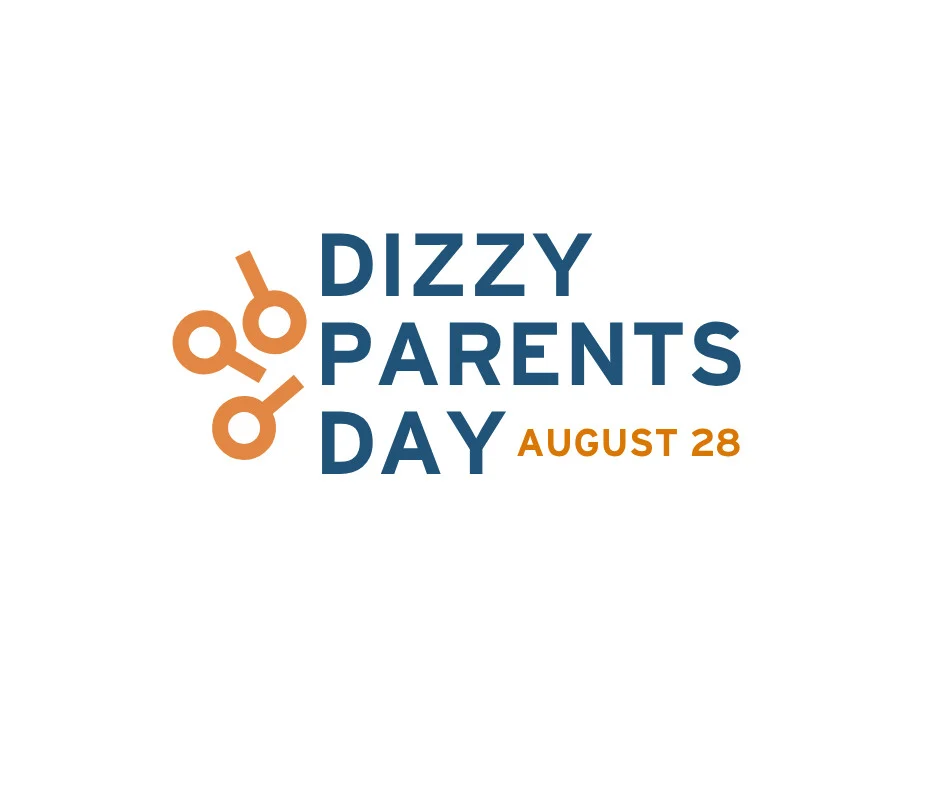
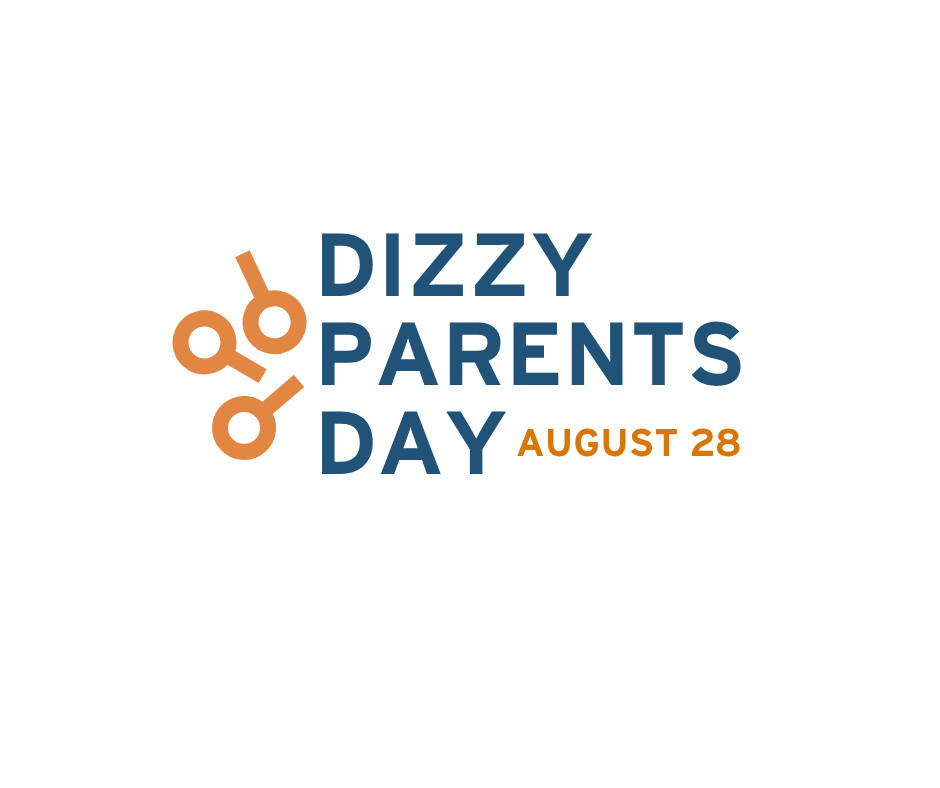
The visual identity of Dizzy Parents Day is centered on a logo featuring three interconnected circles. This imagery serves a dual purpose, blending medical science with social advocacy. In a physiological sense, the circles represent the three semicircular canals of the inner ear—the superior, posterior, and horizontal canals. These structures detect rotational head movements and are fundamental to human balance.
In a sociological sense, the interlocking circles symbolize the family unit: the parent, the child, and the support network. The design emphasizes that while the inner ear may be the source of the physical struggle, the strength of the family and the community provides the necessary stabilization. Analysts suggest that this branding is effective because it moves the narrative away from individual pathology and toward collective support, reinforcing the idea that no parent should have to navigate an unsteady world in isolation.
Global Participation and Community Engagement Strategies
The 2024 observance of Dizzy Parents Day includes several structured initiatives designed to foster community and increase public literacy regarding vestibular health.
The "Steady Space" Photo Challenge
One of the most poignant elements of the campaign is the "Steady Space" challenge. Participants are encouraged to share photographs of the specific locations in their homes where they retreat when symptoms become unmanageable. Whether it is a darkened bedroom, a specific recliner, or a quiet corner of a garden, these "steady spaces" represent the necessary pauses in a parent’s life. This initiative serves to de-stigmatize the need for rest, framing it not as a withdrawal from parental duty but as a vital management tool that allows the parent to eventually return to their family’s side.
Digital Advocacy and the "Wave of Support"
Starting August 27, the day prior to the official event, supporters are encouraged to update their social media profiles with the official Dizzy Parents Day logo. This digital "wave" is intended to pique the curiosity of the uninitiated, leading to clicks and shares of educational resources. Furthermore, The Dizzy Moms Club is scheduled to release a documentary-style video featuring first-hand accounts of the "invisible" moments of parenting, such as comforting a child while sitting on the floor to prevent a fall.
Educational Outreach
VeDA will use the occasion to distribute updated clinical information to primary care physicians and pediatricians. The goal is to encourage these professionals to ask broader questions during patient consultations, moving beyond "Are you dizzy?" to "How is your balance affecting your ability to care for your children?"
Official Responses and Institutional Support
The Vestibular Disorders Association has issued statements emphasizing the importance of Dizzy Parents Day in the broader context of patient-centered care. VeDA representatives note that the psychological burden of vestibular disorders is often linked to the "loss of self" that occurs when a parent can no longer engage in high-energy activities with their children. By recognizing Dizzy Parents Day, the organization aims to validate these emotional struggles as much as the physical ones.
"Parenting through the spin requires a level of grit that is often overlooked in traditional clinical settings," one advocate noted. "When we celebrate these parents, we are acknowledging that their contribution to their families is not diminished by their condition, but rather highlighted by the extraordinary effort they put into every single day."
Broader Implications and Long-term Impact
The impact of Dizzy Parents Day extends beyond the immediate community of those with inner-ear disorders. It touches upon broader themes of disability rights and the "invisible illness" movement. As the global population ages and the prevalence of vestibular issues rises, the lessons learned from these parents—regarding adaptation, resilience, and the importance of support—become increasingly relevant to society at large.
Furthermore, the focus on "resilience over perfection" offers a counter-narrative to the often-unrealistic standards of "perfect parenting" promoted on social media. By sharing the reality of life with a chronic illness, dizzy parents are leading a broader cultural shift toward authenticity and the acceptance of human vulnerability.
As August 28 approaches, the message from the vestibular community is clear: while the world may spin, the bond between a parent and child remains a grounding force. Through education, empathy, and collective action, Dizzy Parents Day ensures that those navigating an unsteady world are seen, heard, and supported.