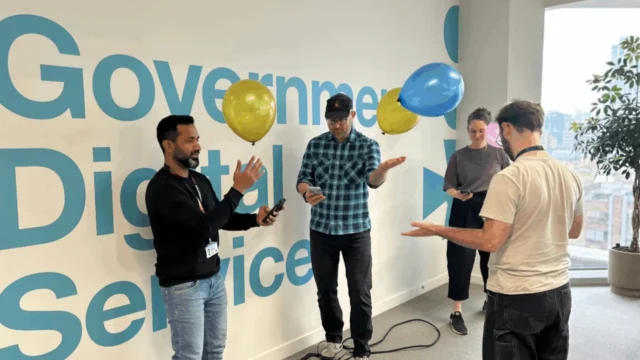
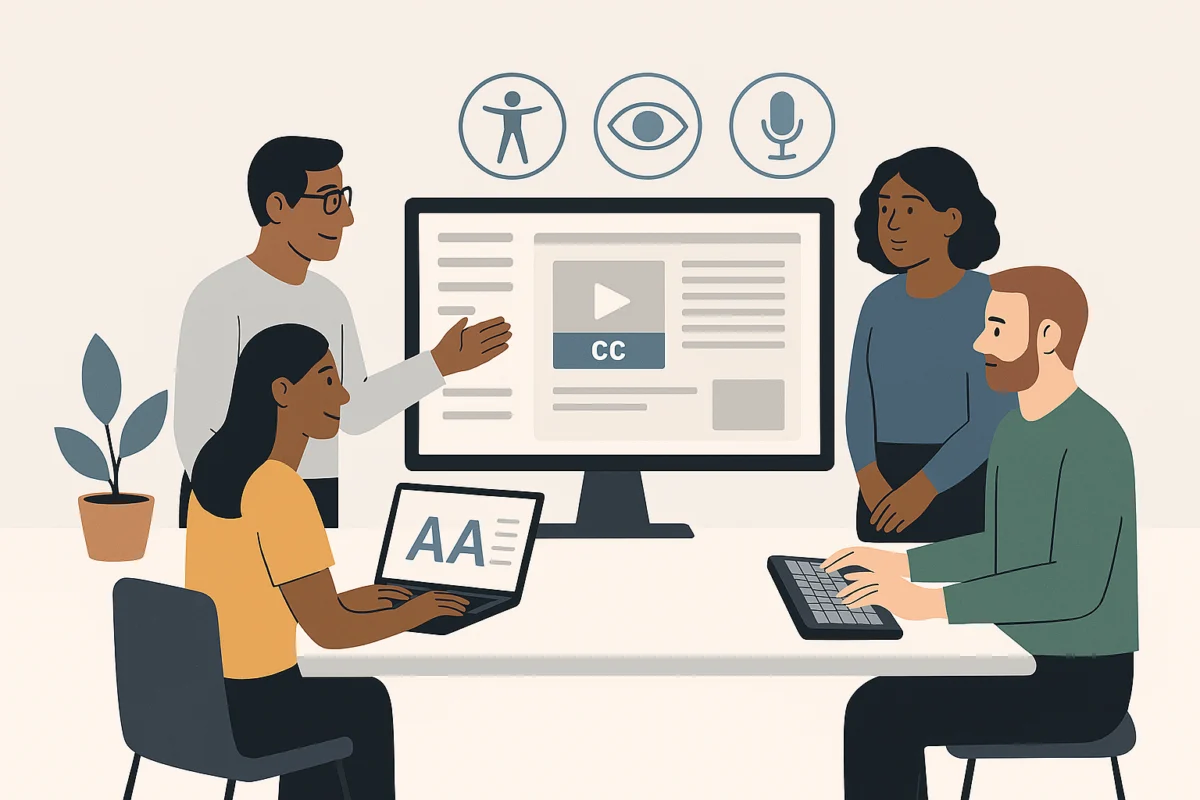
This year’s theme, "Designing, Developing, and Delivering Accessible Digital Services," reflects a strategic pivot within the UK Civil Service. Rather than treating accessibility as a final "compliance check," the 2026 program emphasizes the integration of inclusive practices at every stage of the digital lifecycle. Hosted by a coalition of government departments and arm’s length bodies (ALBs), the event serves as a central hub for sharing best practices, navigating emerging regulations, and building the technical proficiency required to meet the needs of all citizens, regardless of their physical or cognitive abilities.
Historical Context and the Legislative Landscape
Digital Accessibility Week 2026 arrives at a critical juncture for the UK public sector. Since the implementation of the Public Sector Bodies (Websites and Mobile Applications) (No. 2) Accessibility Regulations 2018, government entities have been legally mandated to ensure their digital platforms are perceivable, operable, understandable, and robust. These requirements are largely based on the Web Content Accessibility Guidelines (WCAG), which have evolved significantly over the last decade.
The 2026 event follows the recent transition to WCAG 2.2 and anticipates the broader structural changes proposed in the upcoming WCAG 3.0, often referred to as the "Silver" project. For the UK government, maintaining these standards is not merely a legal obligation but a cornerstone of the "Digital by Default" strategy. Data from the Office for National Statistics (ONS) indicates that approximately 24% of the UK population reports having a long-term illness, impairment, or disability. If digital services are not built with these 16 million people in mind, the government risks systemic exclusion, leading to increased reliance on more expensive analog channels such as telephone hotlines and physical mail.
Strategic Objectives for the 2026 Initiative
The primary goal of Digital Accessibility Week is to democratize technical knowledge. Organizers have structured the event to appeal to a broad spectrum of public sector roles, from senior policy advisors to front-end developers. By fostering a culture of "inclusive by design," the initiative seeks to achieve several key outcomes:
- Capability Building: Reducing the reliance on external consultants by upskilling internal teams in automated and manual accessibility testing.
- Innovation Enhancement: Demonstrating how accessibility constraints can drive better UX (User Experience) for all users—a phenomenon known as the "curb-cut effect."
- Regulatory Preparedness: Providing clear roadmaps for compliance with evolving international standards.
- Community Engagement: Strengthening the cross-government accessibility community, allowing smaller departments to benefit from the resources of larger entities like the Department for Work and Pensions (DWP) or HM Revenue and Customs (HMRC).
Chronology of Events: A Detailed Timetable
The 2026 program is categorized by daily themes that transition from foundational concepts to advanced technical applications and institutional governance.
Monday, May 18: Foundations and the Future of Guidelines
The week opens with a focus on core principles and the evolving regulatory environment. The Home Office will lead an "Introduction to Accessibility," designed as a non-technical primer for those new to the field. This session is critical for setting a baseline understanding of why inclusive design is a moral and operational imperative.
Following the introduction, the DWP will provide a practical overview of assistive technologies. This session is particularly vital, as it allows developers and designers to see how their products are navigated by screen readers, screen magnifiers, and voice activation software. The day concludes with a high-level briefing from the Government Digital Service (GDS) on WCAG 3.0. As the first major overhaul of accessibility guidelines in years, WCAG 3.0 introduces a new scoring system and a broader scope of disabilities, and the GDS briefing will outline how the UK government plans to integrate these changes into the Service Standard.
Tuesday, May 19: User-Centric Design and Cognitive Inclusion
Tuesday shifts the focus toward the "human" element of digital interaction. HMRC will host a session on "Designing with Autistic People," highlighting that cognitive accessibility—often overlooked in favor of visual or motor impairments—is essential for a truly inclusive service. This session explores how clear layouts, predictable navigation, and the avoidance of sensory overload benefit not just neurodivergent users but the entire population.
The afternoon sessions delve into the socioeconomic factors of digital access. A collaborative presentation by HMRC and Ofcom will analyze recent research into digital media literacy. This data-driven session will explore why "access" to a device does not always equate to "confidence" in using government services, particularly among marginalized groups. To close the day, the Student Loans Company (SLC) will offer a "beginner-friendly" testing workshop, teaching non-specialists how to use automated tools like WAVE and basic keyboard testing to identify low-hanging fruit in accessibility failures.
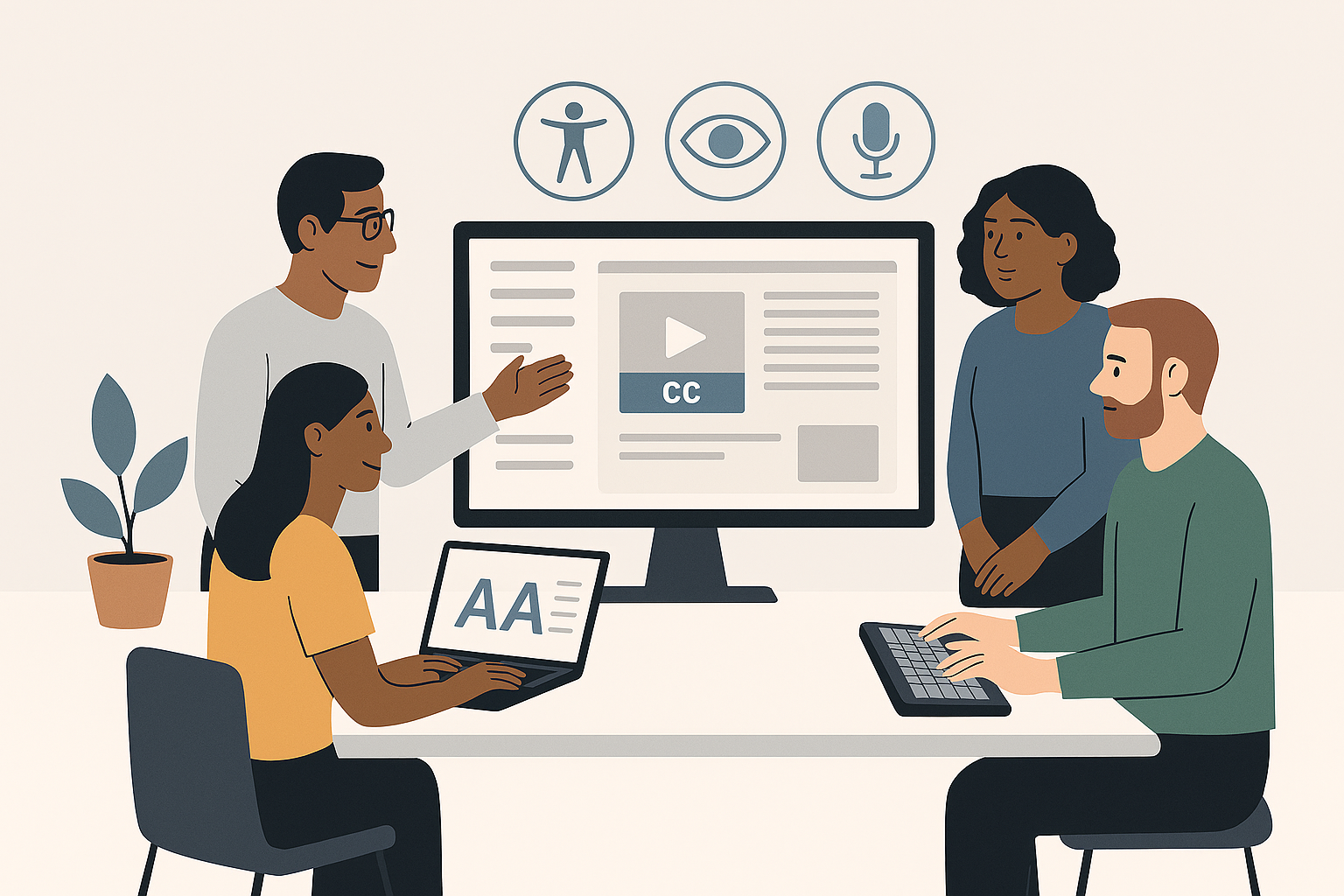
Wednesday, May 20: Innovation, Gaming, and Technical Mastery
Mid-week is dedicated to the "how-to" of accessibility. One of the most anticipated sessions, hosted by the Department for Environment, Food & Rural Affairs (Defra), looks at the video game industry for inspiration. Gaming has historically been at the forefront of accessible innovation—developing haptic feedback, customizable interfaces, and "blindfolded" play modes. Defra will demonstrate how these innovations can be adapted for government forms and dashboards.
Technical sessions on Wednesday also include a deep dive by the DWP into the "WebAIM Million"—an annual report that analyzes the top one million homepages for accessibility errors. By comparing these global trends with UK government data, the session aims to highlight common pitfalls, such as low color contrast and missing "alt" text, which account for a vast majority of compliance failures.
Thursday, May 21: Governance, Enforcement, and Professional Growth
The final day, coinciding with Global Accessibility Awareness Day, focuses on institutionalizing these practices. HMRC will lead a discussion on the "quiet magic" of regulations, explaining how the Equality Act 2010 and specific digital regulations are enforced. This is a crucial session for managers who need to build business cases for accessibility resources.
The Department for Education (DfE) will conclude the week by sharing insights into the "Accessibility Specialist Apprenticeship." This reflects a growing trend in the UK public sector to treat accessibility as a distinct professional discipline rather than a secondary skill set. The week ends with a look at "Accessibility Statements," the legally required documents that tell users which parts of a service are not accessible and provide contact information for alternatives.
Supporting Data and Analysis of Digital Exclusion
The urgency of Digital Accessibility Week is underscored by the current state of digital exclusion in the UK. According to the Lloyds Bank Digital Consumer Index, approximately 11.7 million people in the UK lack the digital skills needed for everyday life. Furthermore, users with disabilities are statistically less likely to have home internet access than non-disabled users.
From a fiscal perspective, accessible design is a cost-saving measure. A report by the Business Disability Forum found that "inaccessible" websites cost UK businesses an estimated £17.1 billion in lost "Purple Pound" (the spending power of disabled households) revenue annually. In the public sector, the cost of a failed digital interaction is even higher. When a citizen cannot use an online portal to pay a tax or claim a benefit, they turn to phone lines, which cost the taxpayer significantly more per transaction than a digital self-service option.
Broader Implications for the UK Public Sector
The 2026 initiative signals a shift in how the UK government views its relationship with the citizen. By involving a diverse range of departments—from the Ministry of Justice to the Student Loans Company—the government is acknowledging that accessibility is a universal requirement, not a niche concern for social services.
Experts suggest that the focus on "Innovation" rather than just "Compliance" is a tactical move to combat "compliance fatigue." By framing accessibility as a driver for better technology, the government encourages developers to see it as a creative challenge. Furthermore, the requirement for participants to use work-issued email addresses for the sessions suggests an effort to maintain a secure, professional environment where civil servants can discuss sensitive internal challenges and infrastructure honestly.
As the UK continues its post-pandemic digital transformation, the lessons learned during Digital Accessibility Week 2026 will likely influence the next generation of government services. The goal is a digital landscape where the "average user" is no longer the only person for whom the system is built, but rather a landscape where the system is robust enough to accommodate the full spectrum of human diversity.
Digital Accessibility Week 2026 stands as a testament to the ongoing effort to ensure that the "digital front door" of the UK government remains open to everyone. By bridging the gap between policy and practice, the event aims to move the needle from theoretical inclusion to a tangible, accessible reality for millions of citizens.