

Understanding Vestibular Migraine and the Metabolic Link
Vestibular migraine is a diagnostic category characterized by episodes of vertigo, dizziness, or balance impairment in individuals who typically have a history of migraine or other migraine-associated symptoms. Unlike classic migraines, which are often defined by a throbbing, unilateral headache, vestibular migraines can manifest without any head pain at all. For patients like Rachel Weaver, the experience is one of "constant, all-consuming" dizziness that can last for years or even decades. The lack of traditional pain symptoms often leads to a protracted diagnostic journey, as patients are cycled through ear-nose-throat (ENT) specialists, cardiologists, and traditional neurologists before receiving a correct diagnosis.
Recent research spearheaded by Dr. Kyle Bills, including his 2025 paper titled "Glucose dysregulation and glycemic phenotyping in chronic migraine" published in Frontiers in Neurology, suggests that the "road" to these symptoms is not uniform. Dr. Bills argues that while two patients may share a diagnosis of vestibular migraine, their underlying biological triggers—or phenotypes—may be vastly different. One patient may have a purely hormonal trigger, while another may suffer from a "metabolic phenotype" where the brain’s sensitivity to glucose fluctuations triggers the vestibular system.
The Chronology of a Chronic Condition: The Case of Rachel Weaver
The lived experience of Rachel Weaver provides a 20-year timeline that mirrors the frustrations of thousands of VM sufferers. Her symptoms began abruptly nearly two decades ago, resulting in a permanent state of unsteadiness that persisted through major life milestones, including pregnancies and the raising of twin boys. Despite undergoing extensive medical imaging, including MRIs to rule out tumors and multiple sclerosis, her physiological markers appeared normal on paper.
Weaver’s journey involved a standard progression of interventions:
- Initial Onset: Sudden, non-stop dizziness with no clear precipitating event.
- Diagnostic Loop: Years of testing that ruled out structural damage but failed to provide a functional cause.
- Dietary Experimentation: Following common advice to eliminate "trigger foods" such as gluten, dairy, caffeine, and aged cheeses.
- The "Heal Your Headache" Protocol: A strict adherence to low-tyramine diets which, while helpful for some, provided Weaver with only partial relief.
- Metabolic Discovery: Identifying a correlation between the timing of meals and the intensity of dizziness, leading to a consultation with Dr. Bills.
This chronology underscores a critical gap in traditional migraine management: the failure to account for meal timing and glucose dynamics rather than just specific food ingredients.
Scientific Analysis: Glycemic Phenotyping and Brain Energy
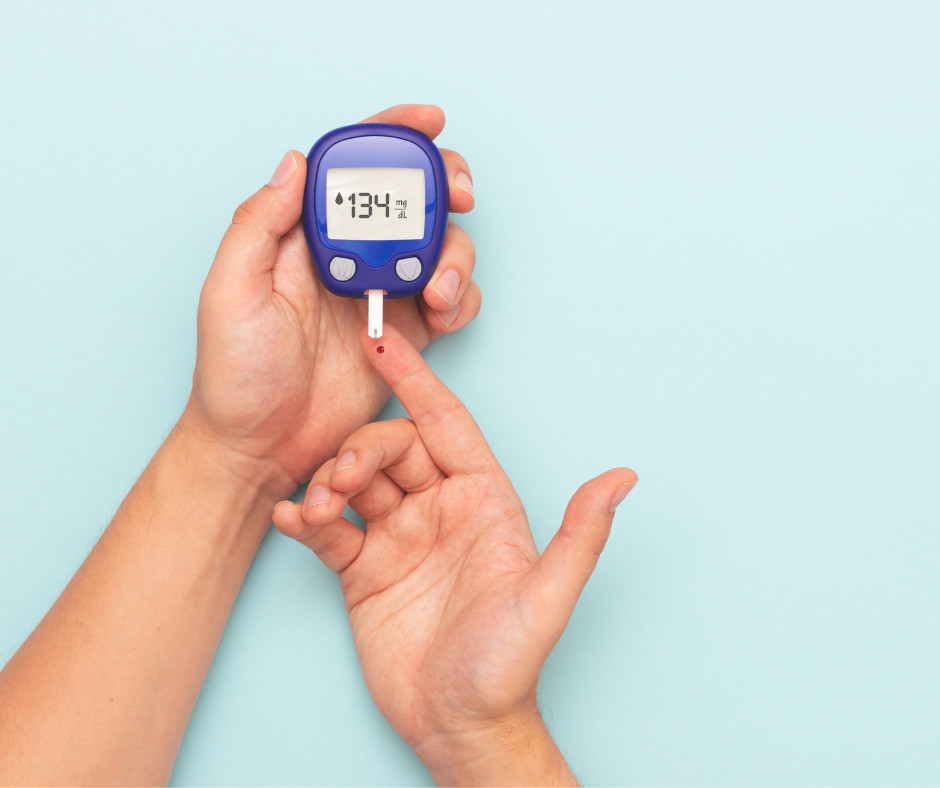
The core of Dr. Bills’ research focuses on the concept of glycemic phenotyping. In clinical settings, patients are often given a fasting blood sugar test or an A1C test to check for diabetes. However, Dr. Bills posits that these standard metrics are insufficient for detecting the subtle metabolic "noise" that can trigger a migraine brain. His team utilizes more intensive diagnostic tools, such as the three-hour oral glucose tolerance test and Continuous Glucose Monitors (CGMs).
Through this data-driven approach, Dr. Bills has identified three distinct metabolic clusters among migraine patients:
- Metabolically Normal: Patients whose glucose and insulin levels remain stable and whose migraines are likely driven by other factors (e.g., stress, sleep, or hormones).
- Insulin Resistant: Patients whose bodies require excessive amounts of insulin to manage blood sugar, leading to systemic inflammation and neurological excitability.
- Reactive Hypoglycemic: Patients who experience "glucose crashes" shortly after eating. Even if their blood sugar stays within a "normal" range, the speed of the drop can trigger a crisis in the brain.
The biological mechanism behind this involves the brain’s high energy demands. The human brain consumes approximately 20% of the body’s total energy, primarily in the form of glucose. When glucose levels spike and crash rapidly, it can trigger "cortical spreading depression" (CSD)—a wave of electrophysiological hyperactivity followed by inhibition that is believed to be the basis of the migraine aura and subsequent symptoms. In the vestibular system, this erratic nerve firing results in the sensation of motion, tilting, or spinning.
Therapeutic Interventions and Patient Outcomes
For patients identified with a metabolic phenotype, traditional migraine medications (such as triptans or beta-blockers) may only offer symptomatic "band-aids" without addressing the root cause. Dr. Bills’ protocol often involves a therapeutic ketogenic diet, which shifts the brain’s primary fuel source from glucose to ketones. Ketones provide a more stable and efficient energy source, effectively "quieting" the hyperexcitable nervous system.
In Weaver’s case, the transition to a medically supervised ketogenic diet resulted in a dramatic shift within 48 hours. After 18 years of constant dizziness, she reported a level of mental clarity and physical stability that she had not experienced since the onset of her condition. While she experienced the "keto flu"—a temporary period of lethargy as the body adapts to fat-burning—the long-term result was a significant reduction in symptom frequency. Instead of daily, hourly dizziness, her symptoms were reduced to occasional flares manageable with simple over-the-counter anti-inflammatories.
This success highlights the importance of personalized medicine. While a ketogenic diet is not a universal "cure" for all migraine sufferers, for those with specific glycemic phenotypes, it can be life-altering.
Official Responses and Clinical Implications
The medical community is increasingly recognizing the need for multidisciplinary approaches to vestibular disorders. Organizations like the Vestibular Disorders Association (VeDA) have emphasized that the "invisible" nature of these conditions often leads to psychological distress and social isolation. The integration of nutritional neurology into standard care represents a burgeoning field that requires collaboration between neurologists, dietitians, and primary care physicians.
Dr. Bills emphasizes that the patient-provider relationship must be a "true partnership." Because metabolic triggers are highly individualized, clinicians must rely on detailed patient reporting regarding energy crashes, post-meal fogginess, and the timing of symptoms. The "I See You" Podcast serves as a platform for this collaborative model, validating the patient’s lived experience while grounding it in rigorous scientific inquiry.
Broader Impact and Future Outlook
The implications of this research extend beyond the realm of vestibular migraine. The link between glucose regulation and neurological health has potential applications for other conditions, including Meniere’s disease, persistent postural-perceptual dizziness (PPPD), and even cognitive decline. As continuous glucose monitoring technology becomes more accessible, more patients may be able to identify their own metabolic triggers in real-time.
Furthermore, the narrative provided by Rachel Weaver in her memoir Dizzy (2026) and her discussions on the ICU Podcast provide a roadmap for the emotional recovery associated with chronic illness. Healing is not merely the cessation of symptoms but the "reclaiming of a life" that was previously diminished by the constant effort of staying upright.
In conclusion, the intersection of blood glucose and vestibular migraine offers a promising new avenue for treatment. By moving beyond the "trigger list" and toward an understanding of brain energy metabolism, researchers and patients are uncovering more effective ways to stabilize the nervous system. For the subset of the population whose dizziness is fueled by metabolic instability, these findings represent more than just data—they represent the possibility of "waking back up" inside their own lives. As the medical field continues to refine glycemic phenotyping, the goal remains a move toward precision medicine that treats the biological reality of the individual rather than just the symptoms of the collective.