The Genesis of IDEASforEARS: Empowering Young Innovators
The IDEASforEARS program was established by MED-EL, a leading provider of hearing implant systems, with the fundamental belief that individuals who directly benefit from hearing technology are best positioned to envision its future. The event serves as a platform for young users to translate their daily realities, frustrations, and aspirations into tangible inventions. This approach democratizes innovation, moving beyond traditional research and development to incorporate the invaluable perspectives of those who live with hearing loss every day. By fostering an environment where their ideas are not only heard but actively encouraged and developed, MED-EL empowers these young innovators to become active participants in shaping the technologies that enhance their lives. The program’s inception can be traced back to a desire to cultivate a spirit of ingenuity and to demonstrate that hearing loss is not a barrier to creativity and contribution, but rather a catalyst for unique problem-solving.
Young Visionaries Unveil Solutions Driven by Personal Journeys
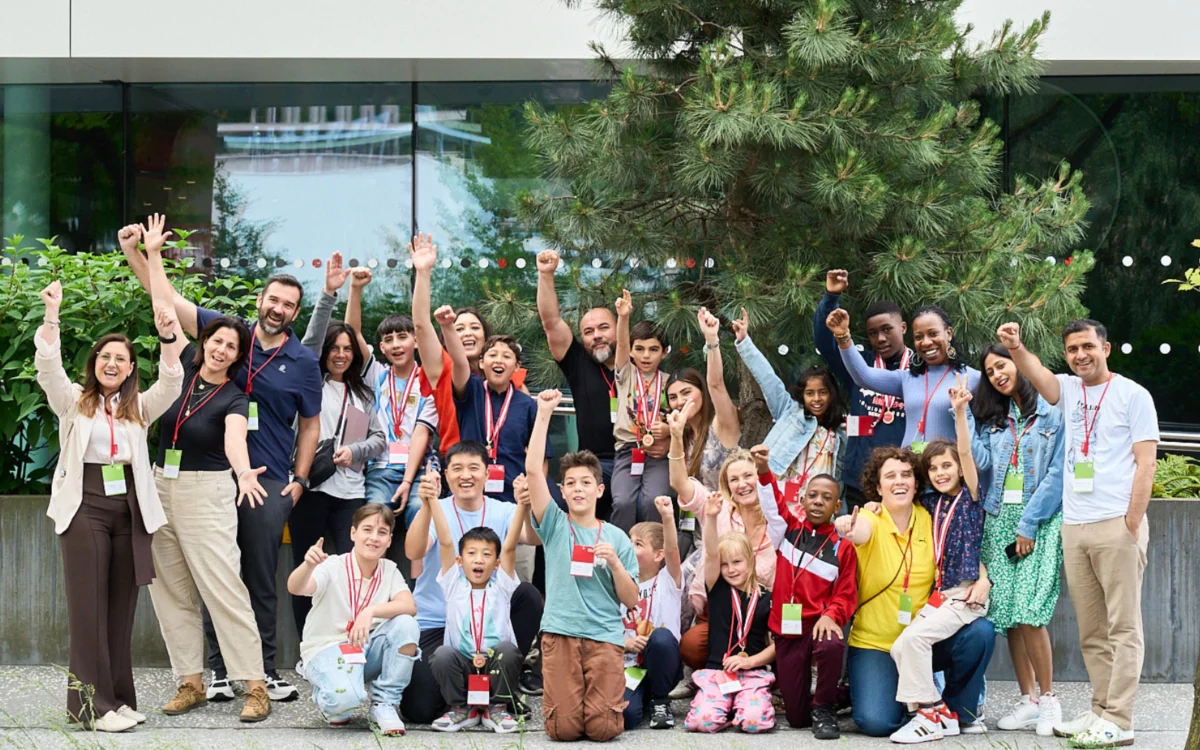
The 2026 IDEASforEARS event was a testament to the ingenuity and foresight of its young participants. Their inventions, deeply rooted in their personal journeys with hearing implants, addressed a spectrum of needs, from enhanced everyday functionality to improved classroom integration and greater independence.
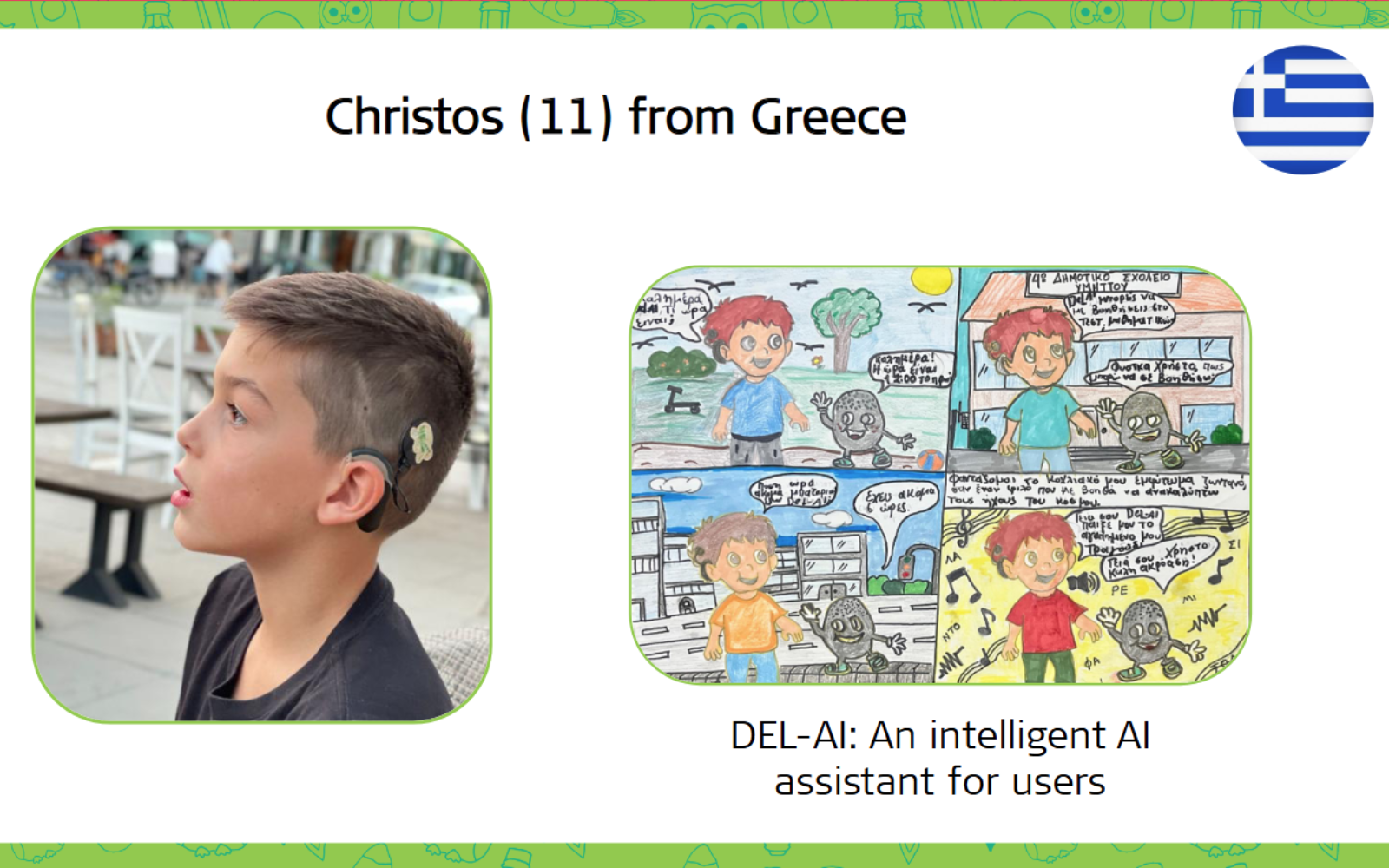
Eleven-year-old Christos from Greece, a bilateral cochlear implant (CI) user since infancy, presented an AI-powered cochlear implant concept designed for seamless adaptation to diverse auditory environments. His motivation stemmed from his desire for effortless communication and a deeper connection with nature. Christos envisions a device capable of automatically adjusting volume, filtering out disruptive background noise, and responding to voice commands for volume control and battery monitoring. His specific focus on improving the classroom experience for students with hearing loss, where clear teacher audibility is paramount, reflects a common challenge faced by many young CI users. "I wanted loud noises not to bother me, and to be able to turn the volume down with just a command," Christos explained, articulating a clear need for intuitive and responsive hearing technology.
Georgie, also 11 years old and hailing from Canada, showcased "All Hear Together," an AI-based application aimed at fostering inclusivity in multicultural and diverse learning environments. Georgie, who was born with microtia and hearing loss, experienced a life-altering moment when his hearing implant was activated at age nine, enabling him to perceive sounds with clarity. His invention addresses the multifaceted needs of students facing hearing loss, language barriers, ADHD, autism, and other learning differences. The application proposes features such as real-time captions, instant language translation, visual aids, and direct audio streaming to hearing devices, ensuring that all students have equal access to educational content. "I wanted to create something that helps everyone feel included and gives all students the same opportunity to understand and learn," Georgie stated, underscoring his commitment to equitable education.
Representing Argentina, 12-year-old Santino, a CI user since age two, focused on enhancing independence with his invention: a vibrating bracelet alarm. This device is designed to help cochlear implant users wake up independently, particularly when they are not wearing their audio processors. Santino’s inspiration came from his own childhood reflections on future autonomy. "When I was 8 years old, I used to think about how I would wake up by myself when I grew up," he shared, highlighting the practical considerations of growing independence.
The Crucial Role of Early Intervention and Support
The compelling narratives emerging from the IDEASforEARS event consistently underscore the profound impact of early diagnosis, timely intervention, and consistent support in maximizing the benefits of hearing technology. The journeys of Christos, Georgie, and Santino illustrate this critical principle.

Christos’s parents recognized his need for additional hearing support at just 15 months old. The subsequent implantation and dedicated speech therapy facilitated significant advancements in his communication abilities, language development, and overall confidence. His parents’ observation, "If someone does not notice that he wears a cochlear implant, they would not realize that this child was born deaf," speaks volumes about the effectiveness of early intervention in normalizing hearing and enabling children to thrive.
Santino’s path also began with early detection. Diagnosed as an infant, he commenced speech therapy at six months and utilized hearing aids before receiving bilateral cochlear implants at age two. His mother emphasized the vital role of patience and ongoing therapy post-activation, noting, "Santi not only started speaking but also learned how to listen, and that was when we realized: Yes, this is really working!" This highlights that successful hearing outcomes are often a result of a collaborative and sustained effort.
Georgie’s family navigated a more protracted and emotionally challenging route. Their dedication led them to relocate internationally to secure the best possible support and opportunities for their son. Early therapeutic interventions, including music therapy, speech therapy, and the use of a bone conduction device, laid a robust foundation that contributed to the success of his subsequent implantation.
For these families, the provision of early support extended far beyond the mere restoration of hearing. It was instrumental in enabling their children to fully engage in life, fostering natural communication with loved ones, building self-assurance at school, facilitating language acquisition, encouraging participation in play and social activities, and nurturing their passions. Crucially, early intervention equipped these children with the essential tools to develop into independent thinkers and future innovators themselves.
A Future Without Limits: Cultivating Confidence and Independence
A particularly inspiring aspect of these young innovators’ stories is the palpable confidence they exude regarding their futures. When asked about their aspirations and perceived limitations, Georgie responded with unwavering optimism: "Yes, I feel like the sky is the limit. Because of everything I’ve been through, I’ve learned that nothing comes easy, but if you keep trying and don’t give up, you can achieve your goals." This sentiment reflects a resilient mindset forged through personal challenges and a profound understanding of their own capabilities.
For these families, the decision to pursue cochlear implantation marked the commencement of a journey brimming with possibilities for their children. As Santino’s mother eloquently put it, "With his implant, he has the same opportunities as any other child." This perspective underscores the transformative impact of hearing technology in leveling the playing field and ensuring equitable access to life’s experiences.
Georgie’s parents have witnessed a significant metamorphosis in their son since his implantation. They have observed a marked increase in his independence, his academic engagement, and his social confidence. "We’ve seen a big change," they remarked. "He understands much more, and that helps him feel more secure and independent." These testimonials provide compelling evidence of how restored hearing can profoundly influence a child’s overall development and well-being.
The Broader Implications: Innovation, Community, and Empowerment
The IDEASforEARS event serves as a powerful demonstration that children with hearing loss are not defined by their audiological status. They are a source of innovation, possess the capacity for big dreams, excel as problem-solvers, and are destined to become leaders. Their inventive concepts highlight how lived experiences can catalyze meaningful technological advancements. Their personal narratives underscore the critical importance of early access to hearing technology and individualized support systems. Furthermore, their unwavering confidence is a testament to the boundless potential that unfolds when children are empowered to pursue their ambitions without artificial constraints.
At MED-EL, the ethos of innovation has always been deeply rooted in human experience. Events like IDEASforEARS play a pivotal role in ensuring that the next generation of users has a direct voice in shaping the future trajectory of hearing technology. By fostering such collaborative and user-centric initiatives, MED-EL not only drives technological progress but also cultivates a strong sense of community and shared purpose among individuals and families impacted by hearing loss. The upcoming 10th edition of IDEASforEARS, scheduled to commence in November 2026, promises to build upon this legacy, further illuminating the path toward a more inclusive and acoustically enriched future.
The direct implications of events like IDEASforEARS extend beyond the immediate inventions presented. They serve as a powerful advocacy tool, illustrating to the broader public and to policymakers the critical need for accessible and advanced hearing healthcare solutions. The success stories and innovative ideas generated by these young individuals can inspire greater investment in research and development, promote earlier screening and intervention programs, and foster a more supportive societal environment for individuals with hearing loss. Moreover, the collaborative spirit fostered at IDEASforEARS strengthens the global community of hearing implant users, creating a network of support, shared learning, and mutual encouragement. This interconnectedness is invaluable for families navigating the journey of hearing rehabilitation and for young users seeking to understand and embrace their unique potential.
Looking Ahead: A Commitment to Continuous Advancement
MED-EL’s ongoing commitment to innovation is intrinsically linked to its dedication to listening to and learning from its users. The IDEASforEARS event is more than just a competition; it is a vital feedback loop that informs product development and strategic direction. The insights gleaned from these young innovators provide invaluable real-world context that complements scientific research and engineering expertise. As the field of audiology continues to evolve, driven by advancements in artificial intelligence, miniaturization, and signal processing, the input from users like Christos, Georgie, and Santino will be indispensable in ensuring that future technologies are not only cutting-edge but also intuitively designed, highly functional, and truly life-enhancing. The organization’s forward-looking approach, exemplified by initiatives like IDEASforEARS, signals a continued dedication to pushing the boundaries of what is possible in restoring and enhancing hearing for individuals worldwide.
The continuous improvement of hearing implant systems, coupled with the innovative spirit nurtured through programs like IDEASforEARS, offers a hopeful vision for the future. As technology advances and early intervention becomes more widespread, the number of children who can benefit from these life-changing solutions is poised to grow significantly. This trend not only promises improved individual outcomes but also contributes to a more inclusive society where communication and connection are accessible to all, regardless of hearing ability. The ongoing success of events like IDEASforEARS underscores the powerful synergy between technological innovation and the lived experiences of those who benefit from it, paving the way for a future where hearing loss is increasingly understood not as a limitation, but as a catalyst for remarkable human achievement.