Background and Context of the Initiative
Tinnitus, defined as the perception of sound in the absence of an external acoustic stimulus, affects an estimated 10 to 15 percent of the global adult population. Despite its prevalence, patients often report a lack of accessible, localized support, which can lead to significant psychological distress and reduced quality of life. Tinnitus UK has identified this "information gap" as a priority, launching a series of regional Information Days designed to demystify the condition and provide a roadmap for long-term management.
The return to Wales was strategically planned to address the specific needs of the local population, many of whom have historically had to travel long distances or rely on fragmented digital resources for support. By centering the event in a major urban hub like Cardiff, the charity aimed to bridge the gap between clinical research and practical, daily application.

Chronology of the Event
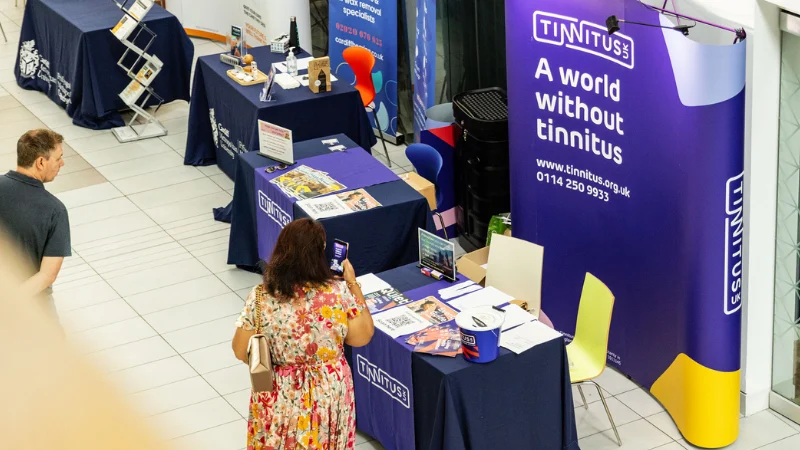
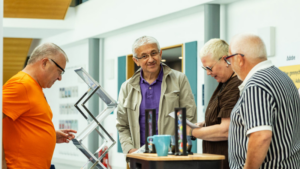
The day was meticulously structured to balance clinical insight with peer-led support. Doors opened in the morning to an exhibition space featuring local hearing specialists, including representatives from Cardiff Hearing and custom-fit hearing protection experts from Minerva. These sessions allowed for one-on-one consultations, moving beyond generic advice to provide attendees with specific, actionable information regarding their personal hearing health.
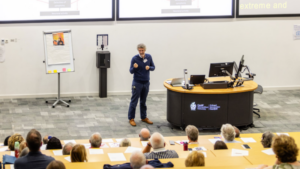
Mid-morning sessions shifted toward clinical research and psychological intervention, headlined by Professor Florian Vogt of University College London. His presentation provided a deep dive into the intersection of cognitive behavioral therapy (CBT) and tinnitus, emphasizing the role of the brain in habituation. Following this, the afternoon program pivoted toward innovative management techniques, including the debut of the Tinnitus Creative Toolkit, a project spearheaded by researchers at the Open University. The day concluded with an interactive chair yoga session, highlighting the role of physical activity in nervous system regulation—a growing area of interest in audiological research.

Data-Driven Perspectives on Management
The emphasis on community and collective support is backed by compelling data. Research presented during the event underscored that 97 percent of individuals who engage with dedicated tinnitus support groups report a measurable improvement in their management of the condition. This statistic is pivotal; it challenges the traditional, often dismissive, medical advice to simply "ignore" the sound.
Furthermore, recent findings from crowdsourced data in France have begun to quantify the impact of lifestyle adjustments on symptom severity. While the correlation between physical exercise and tinnitus reduction is still being studied, the preliminary data shared in Cardiff suggests that even low-impact activities—such as the chair yoga demonstrated at the event—can significantly lower the intrusive nature of the sound. This suggests that the management of tinnitus is increasingly moving toward a multidisciplinary model that includes audiology, psychology, and physical wellness.
Clinical and Psychological Implications
Professor Florian Vogt’s contribution to the day focused heavily on the psychological burden of the condition, particularly its disruption of sleep cycles. Sleep deprivation is a frequent comorbid condition for those with chronic tinnitus, often creating a feedback loop that exacerbates the patient’s stress levels. By providing evidence-based strategies for sleep hygiene and anxiety reduction, the event offered attendees tools that are often overlooked in standard clinical consultations.
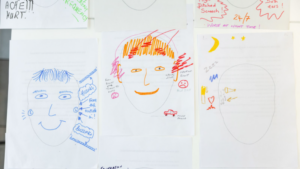
The introduction of the Tinnitus Creative Toolkit represents a shift toward more holistic, patient-centered care. Unlike traditional clinical interventions, the toolkit is designed to be used in support group settings to help individuals externalize their experience. By using creative expression as a medium, patients are often able to reframe their relationship with their tinnitus, moving from a position of victimhood to one of active management. Early research indicates that this approach reduces the emotional "noise" associated with the condition, even if the objective sound levels remain constant.
Official Responses and Future Developments
The most significant outcome of the Cardiff gathering was the organic formation of a new, permanent local support group. While Tinnitus UK facilitates these events, the longevity of support relies on community-led initiatives. The decision by attendees to establish a formal chapter in Cardiff serves as a testament to the success of the event’s networking sessions.
A spokesperson for the event noted that the enthusiasm in the room was palpable, reflecting a broader hunger for localized, consistent support. "We aren’t just providing information; we are building a network," the spokesperson remarked. The charity is now working to finalize the logistics for the new group, with announcements expected via their digital platforms in the coming weeks. This model—where national organizations act as the catalyst for local infrastructure—is expected to be the blueprint for future outreach programs.

Broader Impact and the Path Forward
The success of the Cardiff Information Day has accelerated Tinnitus UK’s national schedule. The organization confirmed that their next major event is slated for September 5 in Bournemouth. As the charity continues to scale its operations, the focus remains on accessibility. By keeping these events free of charge, the organization ensures that demographic or economic barriers do not prevent individuals from accessing vital information.
However, the sustainability of this model depends heavily on public and private funding. Legacy gifts and individual memberships constitute a substantial portion of the charity’s revenue, allowing them to provide these resources without a cost-of-entry barrier. The implications of this funding structure are clear: as the population ages and the prevalence of noise-induced hearing loss rises, the demand for such services is projected to grow.
The Cardiff event served as more than just a seminar; it acted as a pilot for a more integrated, community-based approach to hearing health. By blending high-level academic research with accessible, community-driven activities like yoga and creative workshops, Tinnitus UK has demonstrated that the management of chronic conditions is as much about the human experience as it is about clinical pathology.
As the new Cardiff support group begins its tenure, it will likely serve as a vital resource for hundreds of people in the region. The lessons learned in South Wales—that physical movement, psychological support, and peer connection are the pillars of long-term relief—will undoubtedly shape the future of tinnitus care across the United Kingdom. For those living with the condition, the message from the Cardiff event was definitive: although there is currently no universal cure, there is a clear, evidence-backed pathway to living a full, high-quality life despite the presence of tinnitus. The ongoing commitment of volunteers, researchers, and participants suggests that this pathway is becoming more accessible than ever before.