Historical Context and Evolution of the Policy
The Zero Tolerance Policy has been a fixture of NAD operations for several biennial national conferences, serving as the regulatory framework for protecting attendees from discrimination, harassment, bullying, and systemic abuse. In the context of large-scale organizational gatherings, such policies are designed to provide a legal and procedural baseline for addressing misconduct.
However, "zero tolerance" as a nomenclature emerged in the late 20th century, primarily within educational and judicial systems in the United States. While initially intended to deter infractions through mandatory, harsh penalties, decades of sociological data have suggested that such policies often disproportionately impact marginalized populations. Critics frequently argue that these policies remove the nuance of human interaction, often replacing restorative dialogue with rigid, punitive outcomes. For a community such as the deaf and hard-of-hearing, which has historically fought against systemic exclusion and oppressive educational structures, the use of such language has sparked significant internal debate. The NAD’s current review represents a rare, transparent attempt by a national non-profit to reconcile its protective mechanisms with the evolving social consciousness of its membership.
Chronology of Internal Review
The push for a policy review began to gain momentum in the months leading up to July 2026. As the organization prepared for upcoming biennial events, concerns were raised by members regarding the potential for the Zero Tolerance Policy to be weaponized or to cause harm through its inflexibility.
- Pre-2026: The Zero Tolerance Policy functioned as the standard protocol for all NAD conferences, providing the necessary authority for moderators and board members to remove individuals engaging in harassment or discriminatory behavior.
- Early 2026: Community discourse regarding the policy began to intensify on social media and through direct correspondence to the Board. Concerns centered on the punitive nature of the term "zero tolerance" and the potential lack of restorative options.
- June 2026: The Board of Directors convened to discuss the mounting feedback, acknowledging that the good intentions behind the policy were being overshadowed by the cultural connotations of the name.
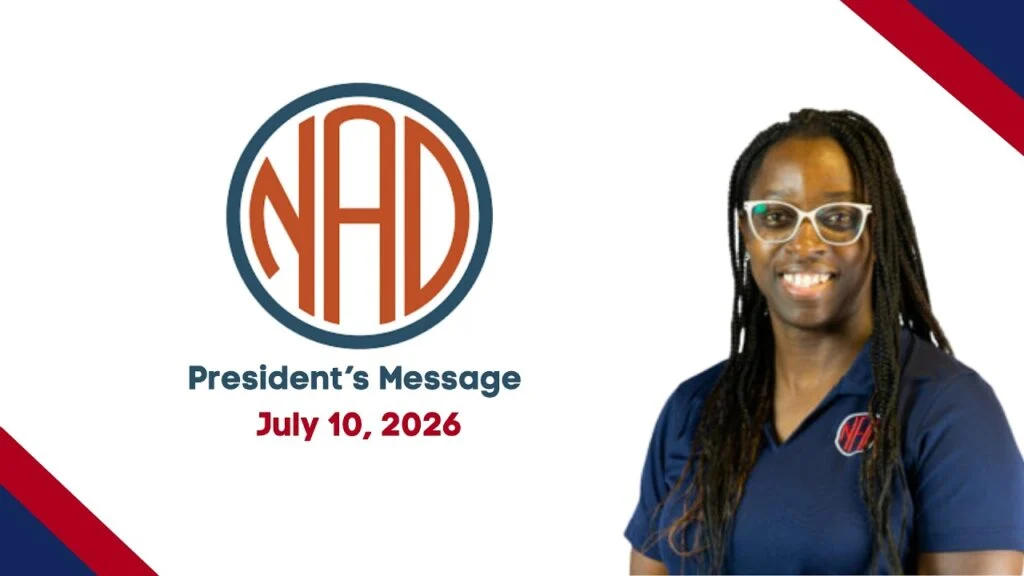
- July 10, 2026: President Stephanie Hakulin released a formal video message and written statement confirming the launch of a formal review process, emphasizing that while the policy remains in effect to maintain safety, its future structure is under active evaluation.
Supporting Data and Policy Analysis
To understand why this change is significant, one must look at the landscape of organizational governance in the disability advocacy sector. Data from the National Council of Nonprofits suggests that organizations focusing on civil rights and advocacy are increasingly moving away from strictly punitive models in favor of restorative justice. Restorative justice models emphasize accountability, but they also prioritize the repair of relationships and the education of the individual, rather than solely focusing on expulsion or sanction.
In the case of the NAD, the policy review is not merely semantic. It touches upon the organization’s ability to foster "belonging." If a policy intended to protect members creates an atmosphere of surveillance or fear, its utility is compromised. The Board’s commitment to reviewing the policy’s "implementation and related procedures" suggests they are looking at how grievances are handled, not just what the policy is called. This shift aligns with broader trends in human resources and organizational psychology that favor "proactive culture-building" over "reactive policy-enforcement."
Official Response and Organizational Stance
In her official communication, President Stephanie Hakulin articulated a delicate balance: the necessity of maintaining a safe environment while validating the lived experiences of the community. "We recognize that the phrase ‘zero tolerance’ carries significant historical context and has been associated with policies and practices that resulted in disproportionate harm and inequitable outcomes for marginalized communities," Hakulin stated.
This statement is pivotal because it shifts the NAD from a defensive posture to a reflective one. By admitting that "good intentions do not replace the need to understand how the language is interpreted," the Board is signaling a departure from traditional, bureaucratic responses to public criticism. The NAD has confirmed that until the review is concluded, the current policy remains the active enforcement mechanism. This is a vital legal safeguard, as the organization must maintain its ability to protect participants from harm during the interim period.
Implications for Future Governance
The implications of this review extend beyond the NAD. As the premier civil rights organization for deaf and hard-of-hearing individuals in the United States, the NAD sets the tone for smaller state and local organizations. If the NAD successfully pivots to a title and framework that emphasizes "accountability, safety, respect, and inclusion" over "zero tolerance," it could trigger a ripple effect across the broader disability advocacy movement.
Legal experts and organizational consultants often point out that rigid policies can sometimes create liability issues if they are applied unevenly. A more robust, flexible, and restorative policy could actually provide better legal protection for the organization while simultaneously improving the experience for attendees. By moving toward a model that considers the context of an incident, the NAD may find that it can resolve conflicts more effectively than a "one-size-fits-all" penalty structure would allow.
The Path Forward
The Board has indicated that there is no set deadline for the completion of this review, as the priority is a "thoughtful and comprehensive" evaluation. This measured approach suggests that the organization is not rushing to a PR-friendly solution but is instead seeking a sustainable, long-term policy framework.
Community members are expected to have several avenues for providing input, including digital surveys and potentially town hall-style meetings. This collaborative approach serves two purposes: it legitimizes the final decision and ensures that the membership feels heard in a way that respects the organization’s democratic foundations.
The challenge for the Board moving forward will be to define what "restorative approaches" look like in a practical, conference-wide setting. Restorative justice often requires time, mediators, and a willingness from all parties to engage in a resolution process—resources that can be difficult to manage in the fast-paced environment of a national conference.
Conclusion: Strengthening the Organizational Fabric
The NAD’s decision to revisit its Zero Tolerance Policy is a demonstration of institutional maturity. It acknowledges that the needs of a community change over time and that the language used by an organization must evolve alongside its values. By prioritizing the dignity and sense of belonging of its members, the NAD is attempting to bridge the gap between necessary enforcement and inclusive community standards.
As the Board prepares for its next phase of deliberation, the success of this endeavor will likely be measured by the organization’s ability to maintain safety for all, while simultaneously replacing punitive terminology with a framework that reflects the nuance of human interaction. The promise to communicate updates transparently will be the final test of the Board’s commitment to this new, more reflective era of leadership. For the thousands of members represented by the NAD, the outcome of this review will serve as a bellwether for the organization’s future direction, proving whether it can remain both a vigilant protector and a welcoming home for all.
"Together, we NAD rise," remains the organization’s guiding motto, and the success of this policy review may well determine the height of that rise in the years to come.