The Society’s foundational pillars remain robust, with the continued sponsorship of three distinguished publications, each serving a unique editorial mission to disseminate critical research and clinical insights. Complementing these academic endeavors are two premier scientific meetings held annually, serving as vital forums for knowledge exchange, networking, and the presentation of cutting-edge advancements. Beyond these established programs, the Triological Society actively supports research initiatives that not only propel the field forward but also nurture the careers of early-stage investigators, who are poised to become the next generation of leaders in otolaryngology.
In an effort to broaden the scope of professional development, the Society’s education committee has expanded its offerings beyond the annual meetings. This includes the highly regarded “Beyond the Otoscope” webinar series, which delves into crucial medicine-adjacent topics such as fostering resilience and effectively navigating periods of change, recognizing the holistic needs of practitioners in a demanding healthcare landscape.
New Initiatives Signal a Forward-Looking Strategy
This year marks a significant expansion of the Triological Society’s strategic focus with the introduction of two pivotal new initiatives designed to address critical needs within the specialty. The first, the ELEVATE-ENT (Empowering Leadership and Education through Visibility, Advocacy and Technical Skill) program, represents a collaborative effort with the American Academy of Otolaryngology—Head and Neck Surgery. Officially launched in 2026, this program aims to democratize access to residency training opportunities and to proactively inform medical students about the unique and rewarding nature of the otolaryngology—head and neck surgery specialty. The initiative has been met with considerable enthusiasm, signaling a strong collective desire to bolster the pipeline of future otolaryngologists. Further details regarding ELEVATE-ENT will be featured in an upcoming issue of ENTtoday. The Triological Society’s role in co-sponsoring and initiating this program underscores its commitment to collaborative growth and its partnership with the Academy in sustaining its impact.
The second major development is the establishment of the TRIO Leadership Academy. This program is designed to provide interactive and immersive leadership training tailored to the specific needs of future leaders in otolaryngology. Acknowledging a historical gap in formal leadership development within the medical profession compared to other industries, the Triological Society is stepping in to fill this void. Skills such as effective team management, strategic planning, communication, and conflict resolution are often not explicitly taught during residency and fellowship training or early in professional careers. The TRIO Leadership Academy seeks to rectify this by offering structured training, practical tools, and invaluable networking opportunities.
The Society’s unique position within the specialty is a key advantage for this new academy. Unlike subspecialty-specific organizations or those exclusively focused on academic pursuits, the Triological Society draws its membership from the entirety of the otolaryngology—head and neck surgery field. This broad representation ensures that the leadership training is inclusive of diverse practice models, including those in private practice, academic institutions, comprehensive cancer centers, hospitals, medical schools, and integrated health systems. The rich tapestry of leadership experience within the Triological Society’s membership provides a fertile ground for developing well-rounded and effective leaders. The academy is being spearheaded by distinguished figures in the field, Dr. Myles Pensak and Dr. Maie St. John, and commenced its operations this year. Dr. Stewart expressed considerable pride in the Society’s proactive approach to providing such essential developmental services.
Historical Context and Enduring Mission

The Triological Society’s legacy, stretching back over a century, is marked by its consistent role in shaping the trajectory of otolaryngology. Its early members were instrumental in establishing foundational diagnostic and surgical techniques that remain relevant today. The Society’s commitment to advancing the field has historically manifested through its publications, which have served as the primary repository for groundbreaking research. For instance, the Archives of Otolaryngology—Head & Neck Surgery, a publication long associated with the Society, has been a critical platform for disseminating significant clinical trials and observational studies, influencing treatment protocols across the globe. The Society’s consistent support for research funding has been crucial in enabling numerous landmark studies. For example, historical data suggests that grants from organizations like the Triological Society have been pivotal in allowing young investigators to pursue novel research avenues that might otherwise be underfunded, leading to advancements in areas such as audiology, rhinology, and head and neck oncology.
The Society’s scientific meetings have also played a transformative role. The annual meetings have historically served as incubators for new ideas and collaborations. Early meetings, often held in intimate settings, fostered intense intellectual debate and the sharing of early-stage findings. As the specialty has grown, so too have these meetings, attracting thousands of attendees and becoming essential platforms for presenting peer-reviewed research, engaging in didactic sessions, and fostering mentorship. The introduction of poster sessions and abstract presentations has allowed for a broader range of research to be showcased, further democratizing the dissemination of knowledge.
The Importance of Leadership Development in Modern Healthcare
The Triological Society’s emphasis on leadership development through the TRIO Leadership Academy comes at a critical juncture for the healthcare industry. The complexities of modern medicine, including evolving payment models, increasing administrative burdens, and the imperative for interdisciplinary collaboration, necessitate strong leadership skills. Research consistently indicates that effective leadership is a key determinant of organizational success, employee satisfaction, and patient outcomes. A 2023 study published in the Journal of Healthcare Management found a direct correlation between strong physician leadership and improved hospital quality metrics, including reduced readmission rates and enhanced patient safety.
The omission of formal leadership training from many medical curricula has been a long-standing concern. While clinical acumen is paramount, the ability to navigate complex organizational structures, manage diverse teams, advocate for patient needs within broader healthcare systems, and drive innovation requires a distinct set of competencies. The TRIO Leadership Academy’s focus on providing formal training, practical tools, and networking opportunities directly addresses this deficit. By drawing on the collective experience of its broad membership, the Society is uniquely positioned to offer a comprehensive and relevant leadership curriculum. The involvement of established leaders like Dr. Pensak and Dr. St. John, who have demonstrated success in various leadership roles, further enhances the academy’s credibility and potential impact. Their expertise, combined with the Society’s reach across different practice settings, ensures that the training will be applicable to a wide range of professional challenges and opportunities.
Looking Ahead: Sustaining Excellence and Fostering Growth
Dr. Stewart’s presidential address conveys a clear message of continuity and forward momentum. The Triological Society, while deeply rooted in its historical significance, is demonstrably focused on adapting to the evolving needs of the specialty and its practitioners. The investment in new initiatives like ELEVATE-ENT and the TRIO Leadership Academy signals a strategic commitment to not only advancing scientific knowledge but also to cultivating the human capital that will drive the future of otolaryngology—head and neck surgery.
The proactive engagement with issues such as access to training and leadership development underscores the Society’s awareness of the broader challenges facing the medical community. By fostering a more inclusive and supportive environment for trainees and by equipping current and future leaders with essential skills, the Triological Society is positioning itself as a vital force in ensuring the continued excellence and relevance of the specialty for years to come. The invitation to engage with the Society through its publications, meetings, and educational programs serves as a call to action for all members of the otolaryngology community to participate in this ongoing mission of advancement and leadership.
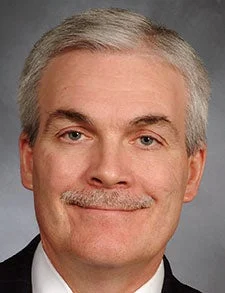
Dr. Michael Stewart, the current President of the Triological Society, holds a distinguished position in the academic and clinical spheres. He serves as Professor and Chair of the Department of Otolaryngology—Head and Neck Surgery at Weill Medical College of Cornell University. Furthermore, he is the Senior Associate Dean of International Affairs and Affiliates and a Professor of Population Health Sciences at the same institution. His clinical leadership extends to his role as Otolaryngologist-in-Chief at New York-Presbyterian Hospital/Weill Cornell Medical Center, both located in New York City. This breadth of experience provides him with a comprehensive perspective on the challenges and opportunities facing the specialty, informing his leadership of the Triological Society.