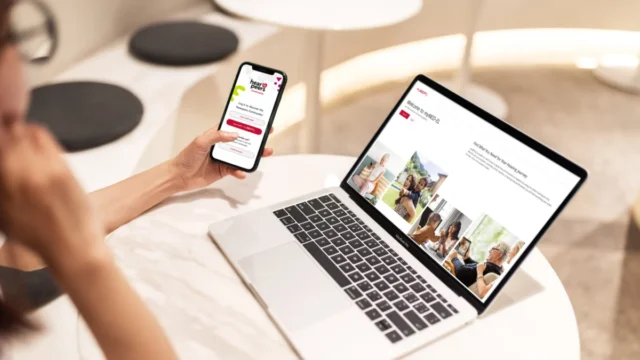

The questionnaire, comprising sixteen key statements, encourages recipients to ponder their hopes and expectations regarding the implant. By engaging with these statements, individuals can begin to visualize what progress might entail and identify the active steps they can take to maximize their auditory rehabilitation. This proactive engagement is crucial, as research consistently demonstrates that patient engagement and realistic expectations are significant predictors of successful outcomes following cochlear implantation.
Understanding the Cochlear Implant Landscape: Background and Context
Cochlear implantation represents a significant advancement in audiological technology, offering a pathway to improved hearing for individuals with severe to profound sensorineural hearing loss who receive limited benefit from conventional hearing aids. The first cochlear implant surgery was performed in the 1960s, with the technology evolving rapidly since then. Today, cochlear implants are a well-established and effective treatment option, enabling many recipients to reconnect with the world of sound, improve communication, and enhance their overall quality of life.
The decision to pursue cochlear implantation is rarely taken lightly. It involves a thorough audiological evaluation, medical assessment, and often, a period of counseling to ensure that the individual and their family fully comprehend the surgical procedure, the device’s functionality, the rehabilitation process, and the potential benefits and limitations. The external component of the cochlear implant, typically worn behind the ear, processes sound and transmits it to the internal component, which stimulates the auditory nerve. This intricate process requires both technological innovation and dedicated patient effort to achieve meaningful auditory gains.
The Expectations Questionnaire: A Framework for Self-Assessment
The sixteen-item questionnaire serves as a structured tool for prospective and current cochlear implant recipients to articulate their expectations. Each statement prompts reflection on various aspects of the cochlear implant experience, from device usage and the learning curve to communication abilities and the enjoyment of music.
1. Device Usage and Adjustment:
- "I will need to wear the external device all waking hours." This statement addresses the commitment to consistent device use. While optimal results are often achieved with regular wear, the exact duration can vary based on individual needs and rehabilitation progress. Initial periods may involve shorter wear times as the brain adapts to the new auditory input.
- "I will take some time adjusting to listening with my cochlear implant." This is a universally acknowledged aspect of the cochlear implant journey. The brain requires time to learn to interpret the electrical signals from the implant as meaningful sound. This adjustment period, often referred to as auditory rehabilitation, is critical. Studies published in journals like the Journal of the American Academy of Audiology have highlighted that the rate and extent of this adaptation are highly individual.
2. Rehabilitation and Support:
- "I will need to participate in listening training." This statement underscores the indispensable role of auditory rehabilitation. Post-implantation, individuals typically engage in structured listening therapy, speech-language pathology sessions, and at-home exercises. Research consistently links participation in comprehensive rehabilitation programs with greater improvements in speech understanding and overall auditory skills. The intensity and duration of this training are often tailored to the individual’s needs.
- "I will need support from others at home to develop listening." The home environment plays a pivotal role in reinforcing listening skills learned during therapy. Family members and caregivers can create opportunities for practice, provide encouragement, and help integrate listening into daily activities. A supportive home environment has been identified as a key factor in facilitating a successful transition to improved hearing.
3. Auditory Perception and Communication Outcomes:
- "I will hear quiet sounds." The ability to detect softer sounds is a potential benefit of cochlear implants, though it can vary. The implant’s audibility range is influenced by factors such as the degree of residual hearing, the implant’s programming, and the individual’s neural processing capabilities.
- "I will be able to locate where sounds come from." Sound localization, the ability to determine the origin of a sound, is a complex auditory skill that can be challenging with a unilateral cochlear implant. While some improvement may be noted, it often requires significant effort and may not fully replicate the capabilities of bilateral hearing. Research in Ear and Hearing has explored strategies to improve sound localization post-implantation.
- "I will hear like others who have typical hearing." This statement addresses a common, though often unrealistic, expectation. While cochlear implants can provide significant auditory access, they do not restore hearing to normal. The technology bypasses damaged parts of the ear and stimulates the auditory nerve directly, and the brain’s interpretation of these signals is a learned process. Managing expectations around the nature of implant-mediated hearing is crucial.
- "I will understand what people say without having to lipread." The degree to which lip-reading becomes less necessary is highly variable. For many, cochlear implants significantly improve speech understanding, reducing reliance on visual cues. However, the ability to understand speech in challenging listening environments, such as noisy situations, may still necessitate some degree of lip-reading for some individuals.
- "I will be able to understand what people say without needing repetition." Similar to the previous point, the reduction in the need for repetition is a significant goal. While many recipients achieve substantial gains in understanding spoken language without frequent requests for repetition, this outcome is influenced by the intensity of rehabilitation and the individual’s auditory processing abilities.
- "I will understand people when there is background noise." This is often one of the most challenging listening environments for cochlear implant recipients. While advancements in processor technology and rehabilitation strategies have improved performance in noise, understanding speech in complex auditory environments remains an area of ongoing research and a goal for many users.
- "I will follow a conversation with a group of people." Engaging in group conversations can be particularly demanding. Success in this area often depends on a combination of factors including the clarity of speech, the listener’s auditory processing skills, the acoustics of the environment, and the number of speakers.
4. Broader Life Enhancements:
- "I will be able to improve my speech skills if they are currently a concern." For individuals with pre-lingual hearing loss or those who experienced significant hearing loss early in life, cochlear implants can provide the auditory input necessary for developing clearer speech. The implant allows for auditory feedback, which is essential for monitoring and refining vocalizations.
- "I will be able to improve my language skills if currently are a concern." Improved auditory input from a cochlear implant can significantly benefit language development and acquisition. Access to spoken language models allows for greater exposure to vocabulary, grammar, and sentence structures, fostering enhanced linguistic abilities.
- "I will enjoy music." The experience of music with a cochlear implant is diverse. While many recipients report an increased ability to appreciate music, the perception and enjoyment can differ from that of individuals with typical hearing. The complex harmonic structures and nuances of music can be challenging to process. However, many users find that with practice and the right programming, they can derive significant pleasure from music.
- "I will be able to use the telephone." Telephone use is a common and achievable goal for many cochlear implant recipients. The consistent auditory input and improved speech understanding provided by the implant can facilitate telephone conversations, though success may depend on the clarity of the phone line and the speaker’s articulation.
5. Bilateral Hearing and Future Considerations:
- "I will continue to wear a hearing device in the other ear, if available." This statement pertains to the consideration of bilateral cochlear implantation or the use of a hearing aid in the non-implanted ear. Research, such as that published by the Cochlear Implant Association, has shown that bilateral implantation can offer significant advantages in sound localization, speech understanding in noise, and overall listening comfort for many individuals. The decision regarding bilateral use is typically made in consultation with the audiology team.
Analyzing Expectations: Aligning Hopes with Reality
Following the completion of the questionnaire, the accompanying explanations provide crucial context and data-driven insights. This step is designed to bridge any gaps between perceived outcomes and the established understanding of cochlear implant capabilities and the rehabilitation process. For instance, while a recipient might hope to "hear like others who have typical hearing," the explanation would clarify that cochlear implants offer a pathway to improved sound awareness and communication, rather than a complete restoration of normal hearing.
The inclusion of supporting data, such as statistics on speech understanding improvements in noisy environments or the percentage of users who regain telephone use, further grounds these expectations in evidence. This data-driven approach helps manage expectations and fosters a more realistic and achievable outlook for recipients. The timeline for progress is also implicitly addressed, highlighting that significant improvements often occur over months and even years, rather than immediately post-activation.
Official Responses and Future Directions
Leading cochlear implant manufacturers and audiology organizations consistently emphasize the importance of realistic expectations and comprehensive rehabilitation. Statements from organizations like the American Academy of Otolaryngology–Head and Neck Surgery and the Hearing Loss Association of America frequently underscore that cochlear implantation is a journey, not a singular event, and that patient commitment to therapy is paramount.
The ongoing development of cochlear implant technology, including advancements in speech processing strategies and miniaturization of external components, continues to expand the potential benefits for recipients. Furthermore, research into neuroplasticity and brain adaptation is providing deeper insights into how the brain learns to process implant-mediated sound, paving the way for more personalized and effective rehabilitation protocols.
Broader Impact and Implications
The implications of managing expectations around cochlear implantation extend beyond the individual recipient. For families, a clear understanding of the process can reduce anxiety and foster a more supportive environment. For healthcare providers, a tool that facilitates realistic expectation setting can lead to more effective patient counseling and improved long-term outcomes.
The proactive engagement fostered by such questionnaires can also contribute to a greater societal understanding of hearing loss and the capabilities of assistive technologies. By demystifying the cochlear implant experience and highlighting the dedication required for successful rehabilitation, these tools can promote more informed decision-making and ultimately, empower individuals to achieve a richer, more connected auditory life. The journey to hearing is indeed unique for everyone, but through informed preparation and realistic expectations, it can be a profoundly rewarding one.