Understanding Angelman Syndrome: A Clinical and Social Perspective
Angelman syndrome is characterized by significant developmental delays, intellectual disability, impaired speech, and, frequently, a distinct, excitable demeanor marked by frequent laughter and a happy, impressionable personality. The condition is caused by a loss of function in the UBE3A gene on the maternal chromosome 15. While the medical community has historically focused on the neurological and motor aspects of the condition—such as ataxia, seizures, and sleep disturbances—advocates are increasingly shifting the narrative toward the social and communicative capabilities of those affected.
The clinical profile of individuals with Angelman syndrome often belies their actual cognitive potential. While many are non-speaking or possess limited verbal abilities, they often demonstrate a profound capacity for social engagement. Practitioners now emphasize that the lack of spoken language is not equivalent to a lack of intellectual capacity or a lack of desire to engage. By implementing AAC strategies—ranging from high-tech speech-generating devices to low-tech visual symbol boards—families are reporting breakthroughs in the ability of individuals with the syndrome to express preferences, feelings, and complex thoughts.
The Evolution of AAC: From Tool to Empowerment
For decades, the standard approach to communication for non-speaking individuals was limited to basic choice-making. However, the contemporary movement in AAC, championed by international networks of speech-language pathologists and advocates, views communication as a multi-modal endeavor. In the context of Angelman syndrome, this means utilizing everything from eye-gaze technology to non-verbal cues.
The philosophy underpinning modern AAC practice is that the burden of communication should not rest solely on the individual with the disability. Instead, it requires the active participation of "communication partners"—caregivers, teachers, and peers who are trained to model language using the individual’s communication system. This "aided language stimulation" allows the individual to observe how their symbols and gestures are used in authentic contexts, effectively creating a linguistic environment that fosters development. Research indicates that when consistent AAC implementation is combined with a supportive social environment, the risk of isolation decreases, and the individual’s ability to exert self-determination increases significantly.
Chronology of Awareness and Institutional Growth
The history of advocacy for Angelman syndrome in Latin America has been characterized by a transition from isolated family support groups to structured, regional advocacy networks.
- 2020-2022: The emergence of digital advocacy platforms and the proliferation of virtual seminars during the pandemic accelerated the exchange of clinical and pedagogical strategies across borders.
- 2024: Initial planning for regional synchronization began, with a focus on standardizing the availability of Spanish-language AAC resources.
- 2025: A series of pre-congress webinars and workshops established a baseline of knowledge regarding the specific challenges faced by Latin American families, particularly in resource-strained settings.
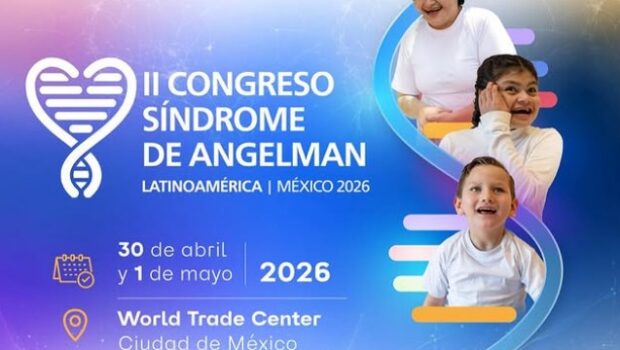
- April 30 – May 1, 2026: The scheduled date for the Second Latin American Angelman Syndrome Congress, marking a significant milestone in regional scientific and social cooperation.
Data and Infrastructure in the Latin American Context
One of the primary challenges identified by researchers in Latin America is the lack of equitable access to specialized assistive technologies. While clinical data is often extrapolated from North American or European studies, the socioeconomic landscape in Latin America necessitates a unique approach to service delivery. According to regional health surveys, families often struggle with the high cost of specialized devices and a shortage of clinicians trained in the nuances of AAC for neuro-genetic conditions.

The upcoming congress in Mexico City aims to address these systemic gaps by providing a forum for evidence-based interventions. By aggregating data on successful, low-cost, and high-impact interventions, the congress hopes to create a blueprint for governments and private health institutions to better integrate AAC into the standard of care for children with complex communication needs.
Official Responses and the Role of Professional Collaboration
Professional organizations, including regional chapters of speech and language associations, have begun to view the inclusion of AAC as a matter of clinical necessity rather than an elective service. Experts argue that early intervention is not merely about speech, but about cognitive and social development.
"The shift we are seeing is toward a partnership model," says a representative from the organizing committee for the Mexico City congress. "We are moving away from the medical model, which looks at what the individual ‘cannot do,’ to a social model, which looks at how the environment can be modified to ensure everyone has a voice. The congress is designed to be a catalyst for this change, ensuring that families are not just recipients of care but active architects of their children’s communicative future."
Broader Implications: Communication as a Human Right
The legal and ethical implications of this movement are significant. In many jurisdictions, the right to communicate is recognized as a subset of the right to personal liberty and participation in society. By failing to provide the means for non-speaking individuals to communicate, society effectively denies them the ability to participate in legal, medical, and educational decision-making.
The advocacy surrounding Angelman Syndrome Awareness Month serves as a microcosm for the broader disability rights movement. When communities prioritize the linguistic accessibility of their most vulnerable members, they create more robust, inclusive infrastructure for all. The emphasis on "communication as a right, not a privilege" challenges existing policies that treat AAC as a luxury item rather than an essential medical and developmental necessity.
Looking Toward the 2026 Congress
The official website for the congress, congresoangelman.com, has become the central hub for this growing movement. It provides not only registration details but also a repository of resources for families who may not have access to local support. The event will feature a multi-disciplinary program, including neurologists, geneticists, speech-language pathologists, and representatives from family advocacy groups.
The significance of this congress lies in its potential to solidify a pan-Latin American strategy. By fostering connections between researchers in different countries, the event aims to facilitate multi-center studies and cross-border policy advocacy. Furthermore, by centering the experiences of families, the organizers ensure that the scientific discourse remains grounded in the realities of daily life.
As the community looks toward the conclusion of February and the months leading up to the congress, the message remains clear: the focus on Angelman syndrome is a focus on the fundamental human need for connection. Whether through a high-tech communication device or a simple, consistent gesture, every attempt at communication is a step toward a more inclusive society. The upcoming congress in Mexico City represents not just a gathering of experts, but a commitment to a future where every individual, regardless of their neuro-genetic profile, has the tools to make their voice heard and their presence felt in the community.