A Chronology of Early Intervention and Development
Amalia’s clinical journey began shortly after birth, following a diagnosis of sensorineural hearing loss. In the field of audiology, early identification is considered the gold standard for long-term developmental success. The "1-3-6" model—screening by one month, diagnosis by three months, and intervention by six months—is the benchmark for pediatric hearing care. Amalia received her cochlear implants at ten months old, a timeframe that allowed her to benefit from the heightened neuroplasticity characteristic of the first year of life.
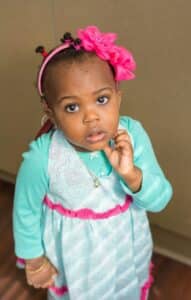
Following her implantation, Amalia was enrolled in the "Birth to Three" program at Listen and Talk. This stage of her development focused on auditory-verbal therapy, a methodology that emphasizes teaching a child to use their hearing technology to process speech and language rather than relying exclusively on visual cues. During this period, the focus was not merely on the mechanical function of the implants, but on the integration of sound into her cognitive development. As she transitioned into the organization’s Blended Classroom, the focus shifted toward peer-to-peer socialization, preparing her for the demands of a standard academic environment.
The Science of Listening and Spoken Language
The success of programs like those provided by Listen and Talk is rooted in the "listening and spoken language" (LSL) approach. According to data from the Alexander Graham Bell Association for the Deaf and Hard of Hearing, children who receive high-quality LSL intervention are significantly more likely to attend mainstream schools.
The mechanism behind this success is twofold: technological hardware and human-centric coaching. Cochlear implants differ from traditional hearing aids by bypassing damaged parts of the ear and directly stimulating the auditory nerve. However, the hardware alone is insufficient. The brain must be "trained" to interpret the electrical signals provided by the implant as meaningful language. This is where the therapeutic environment provided by organizations like Listen and Talk becomes critical. By working with specialists during the developmental window of early childhood, students like Amalia build the phonological awareness necessary to decode complex spoken language, which in turn facilitates reading and writing proficiency.
Academic and Social Integration: Beyond the Classroom
The impact of early intervention extends well beyond the ability to hear. A primary objective of such programs is social integration. For many children with hearing loss, the transition to a general education classroom can be daunting. The confidence required to advocate for one’s needs—such as requesting a preferred seating arrangement or ensuring a teacher uses a remote microphone system—is often cultivated through years of specialized support.
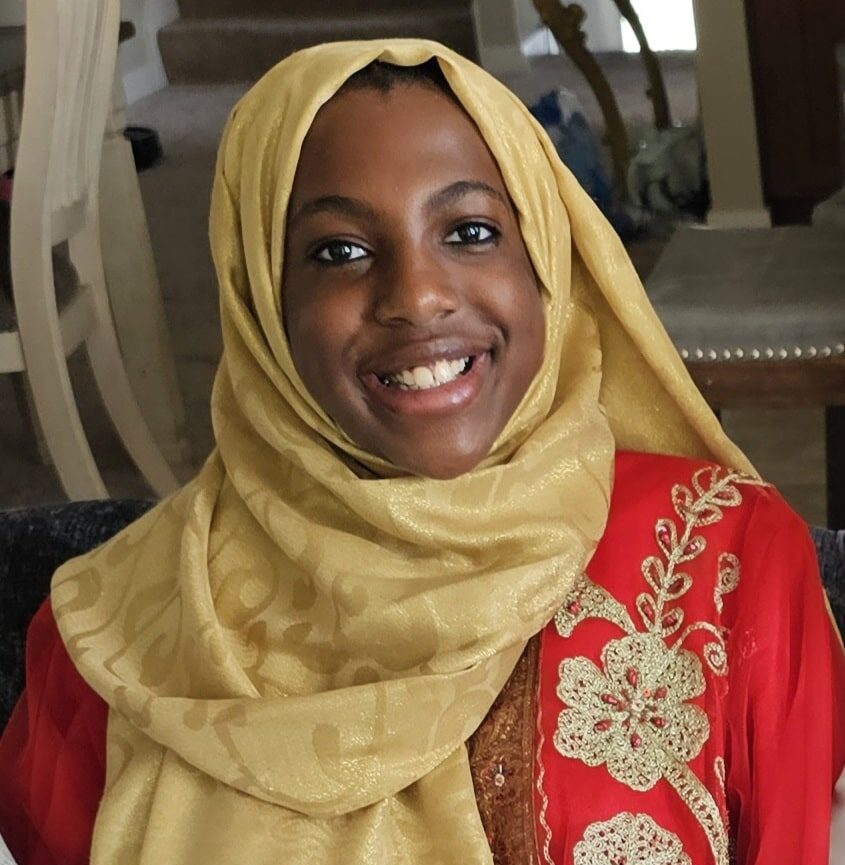
Amalia’s experience highlights this transition. Today, she is fully integrated into a general education classroom, performing at levels consistent with her hearing peers. This is a significant milestone, as academic success for deaf and hard of hearing (DHH) students is frequently hampered by gaps in expressive and receptive language that, if not addressed early, can lead to chronic learning delays.
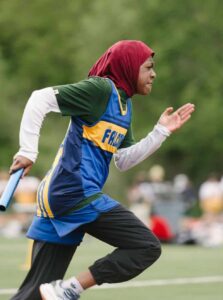
Furthermore, Amalia’s extracurricular success in swimming, track and field, and basketball serves as a testament to the holistic nature of her development. Sports participation for DHH students often presents unique challenges, particularly in environments where communication is fast-paced and non-verbal cues are frequent. Her ability to navigate these environments suggests that her communication skills have reached a level of automaticity, allowing her to focus on the demands of the sport rather than the logistics of her hearing technology.
Broader Implications for Healthcare and Education Policy
The narrative of Amalia Faraji provides a practical look at the broader implications of funding for early intervention services. Currently, the landscape for deaf and hard of hearing children is changing rapidly due to improvements in neonatal screening and the increased availability of cochlear implant technology. However, the cost of these services remains a significant barrier for many families.
Economic analysis of early intervention programs suggests that for every dollar invested in these services, the return on investment for society is substantial. By providing the skills necessary for these children to enter the workforce, achieve higher education, and live independently, society offsets the long-term costs associated with intensive special education services and disability support.
Organizations like Listen and Talk are currently emphasizing the importance of sustainable funding models, such as their Alumni Family Giving Campaign. These initiatives are essential because they ensure that the "Birth to Three" programs remain accessible regardless of a family’s financial status. The objective is to ensure that "no child is limited by hearing loss," a goal that requires a combination of clinical expertise, parental involvement, and philanthropic support.
The Role of Family and Community Support
A critical component of Amalia’s success, often cited in developmental literature, is the role of the family unit. Listen and Talk does not only provide therapy for the child; it acts as a support system for the parents. Navigating the medical, audiological, and educational requirements of a child with hearing loss is a complex task that can be overwhelming for families.
By providing guidance on how to facilitate language development at home, these programs turn the household into a continuous learning environment. The consistency of this approach—bridging the gap between the clinic and the home—is likely a major contributing factor to the positive outcomes observed in alumni like Amalia.
Future Outlook and Continuing Support
As Amalia progresses through her education, her story serves as a baseline for what is possible with early and consistent support. The current trend in the field is to push for earlier diagnosis and more aggressive therapeutic intervention, with some specialists suggesting that cochlear implantation as early as six months can lead to even better outcomes for speech acquisition.
For those involved in the sector, the focus remains on closing the gap between the potential of DHH children and the reality of their educational outcomes. Programs that provide the "foundation for a bright future" must be scaled and replicated to ensure that children born with hearing loss are not left behind due to a lack of resources.
The Alumni Family Giving Campaign, which supports the continued work of Listen and Talk, highlights the cyclical nature of this success. As former students reach adulthood and contribute back to the programs that shaped their development, they create a sustainable infrastructure for future generations. This ecosystem of support is not merely a charitable endeavor; it is a vital component of a comprehensive approach to pediatric health, ensuring that the technology of today is paired with the specialized human support required to unlock the potential of every child.
Ultimately, the trajectory of Amalia Faraji is not just a personal success story; it is a validation of a model of care that prioritizes early detection, consistent intervention, and the integration of children into the broader, hearing-dominant society. Her ability to pursue her dreams without limits stands as a reminder of the transformative power of accessible, expert-led healthcare. As more families seek these services, the mission of organizations like Listen and Talk becomes increasingly central to the broader public health conversation regarding disability, education, and social equity.