The Rationale for Global AAC Standardization
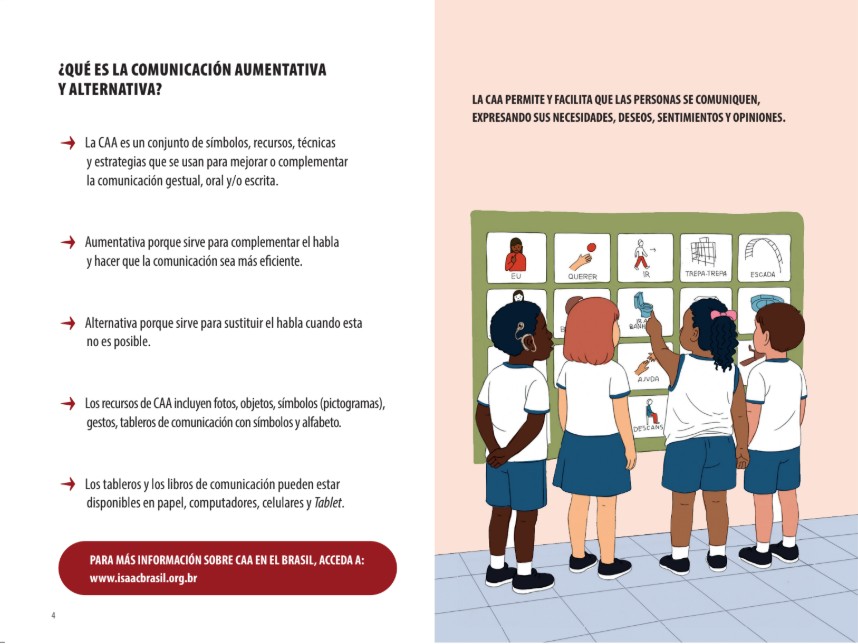
Augmentative and Alternative Communication encompasses a broad range of strategies and tools—from low-tech picture boards to high-tech speech-generating devices—that support or replace natural speech for people with disabilities. According to data from the World Health Organization (WHO), over 1 billion people live with some form of disability, a significant portion of whom experience limitations in expressive communication.
Despite the prevalence of these needs, the distribution of educational and clinical resources remains uneven. Spanish-speaking regions have long struggled with a deficit of standardized, culturally adapted materials. The collaboration between ISAAC Brazil and Fiocruz was born from a recognition that language barriers often prevent families from accessing the same quality of care and implementation strategies available in English or Portuguese-speaking hubs. By adapting this guide, the organizations are attempting to formalize a baseline of knowledge that transcends borders, ensuring that caregivers in diverse economic contexts have access to evidence-based practices.
Chronology of the Development and Translation
The project began as an initiative within the Lusophone AAC community, where Fiocruz—a leading public health research institution—identified the need for a simplified, accessible handbook to assist families in the early stages of their AAC journey.
- Initial Phase (2024): ISAAC Brazil and Fiocruz convened a multidisciplinary team consisting of speech-language pathologists, engineers, and AAC users to compile foundational data.
- Drafting and Pilot (2025): The document was drafted in Portuguese, emphasizing accessibility, clear visual language, and the representation of lived experience through imagery.
- Translation and Cultural Adaptation (Late 2025–Early 2026): Recognizing the global reach of the Spanish language, the team initiated a translation process that went beyond mere linguistic conversion, adapting the legal and social framework references to be applicable across Latin America and Spain.
- Public Release (April 2026): The finalized digital resource was disseminated via ISAAC international chapters, marking the beginning of a broader campaign to promote literacy in communication rights.
Core Foundations of the Guide
The guide is structured to serve as a comprehensive primer for stakeholders, focusing on three core pillars: human rights, functional concepts, and implementation strategies.
First, the guide explicitly frames AAC as a fundamental human right. It aligns with international frameworks, such as the UN Convention on the Rights of Persons with Disabilities, which asserts that communication is essential for the exercise of all other human rights. By grounding the technical guide in legal advocacy, the authors empower families to demand appropriate services from their local educational and health systems.
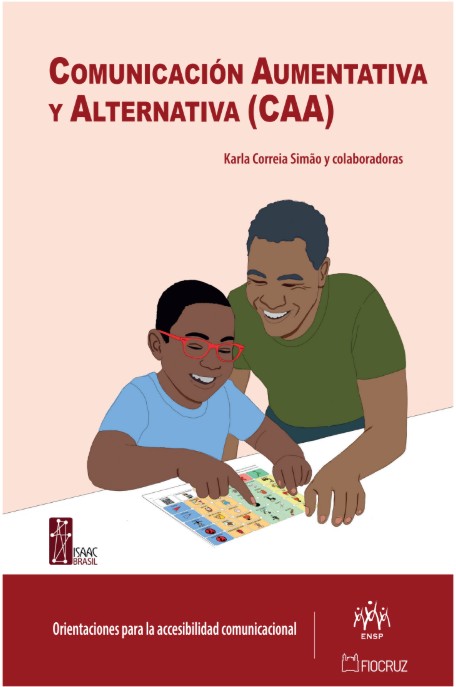
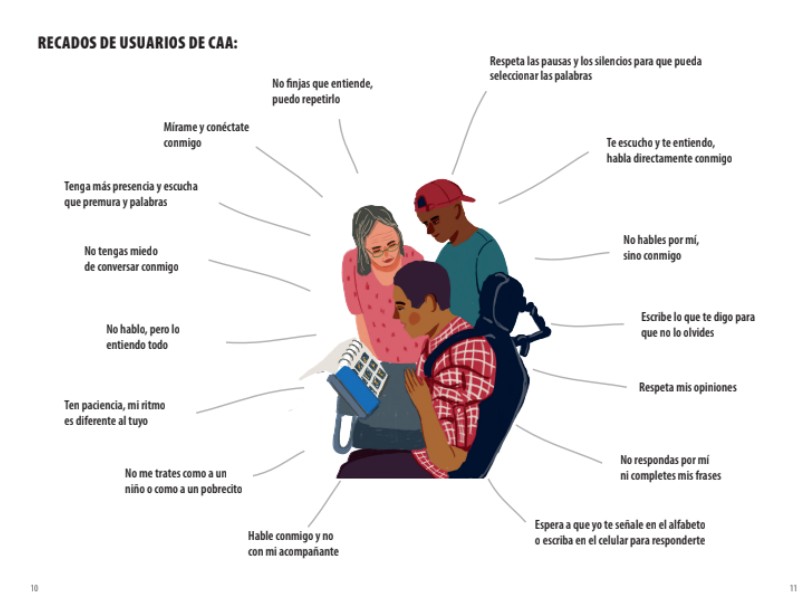
Second, the guide simplifies complex technical concepts. It categorizes AAC systems into aided and unaided communication, helping readers understand the difference between gestures, sign language, and external tools like tablets or communication books. By using illustrations that feature actual AAC users, the guide dismantles the "medicalized" perception of these tools, instead framing them as social instruments for self-expression.

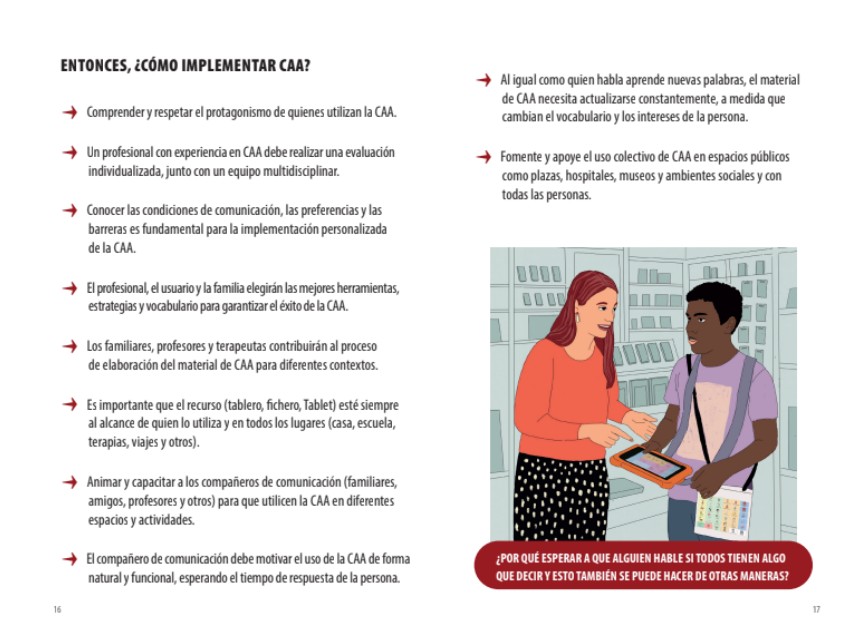
Third, the implementation section provides a roadmap for "modeling"—the process by which caregivers use the user’s communication system during daily activities. Evidence suggests that consistent modeling is the single most important factor in the success of AAC integration. The guide provides practical tips for incorporating these systems into household routines, such as mealtimes or play, effectively turning the home environment into a classroom for language acquisition.
Expert Perspectives and Institutional Impact
While the guide is designed for end-users, its impact is expected to ripple through the professional sector. Clinical experts have noted that the lack of accessible literature often leads to "device abandonment," where families receive a high-tech system but fail to integrate it into the user’s life due to a lack of training.
"Resources like this are not just manuals; they are instruments of equity," noted a representative from the broader ISAAC community during the project’s preview phase. By providing a centralized, free, and peer-reviewed document, the institutions involved are helping to standardize the level of care provided by speech therapists in underserved areas.
Furthermore, the involvement of Fiocruz lends the project significant institutional weight. As a pillar of public health in Brazil, their endorsement of this guide suggests a shift toward integrating communication accessibility into mainstream public health policy. It signals to other governments that AAC is not an "optional" or "niche" service, but an essential component of inclusive healthcare.
Broader Implications for the Disability Community
The release of this guide arrives at a critical juncture in the disability rights movement. As digital literacy increases globally, the potential for using mobile technology as a low-cost, high-impact AAC solution has never been higher.
The guide’s focus on affordability is particularly relevant for the Spanish-speaking community, where the cost of proprietary software can often be prohibitive. By providing a conceptual framework that works independently of a specific brand or device, the guide promotes a "user-first" mentality. This ensures that even in resource-constrained environments, families can build effective communication systems using printed symbols or repurposed tablet technology.
The long-term success of this initiative will be measured by the adoption rates in school districts and pediatric clinics throughout the Spanish-speaking world. If successful, the model of translating and adapting foundational AAC resources could be replicated for other major language groups, creating a truly global infrastructure for communication support.
How to Access and Utilize the Resource
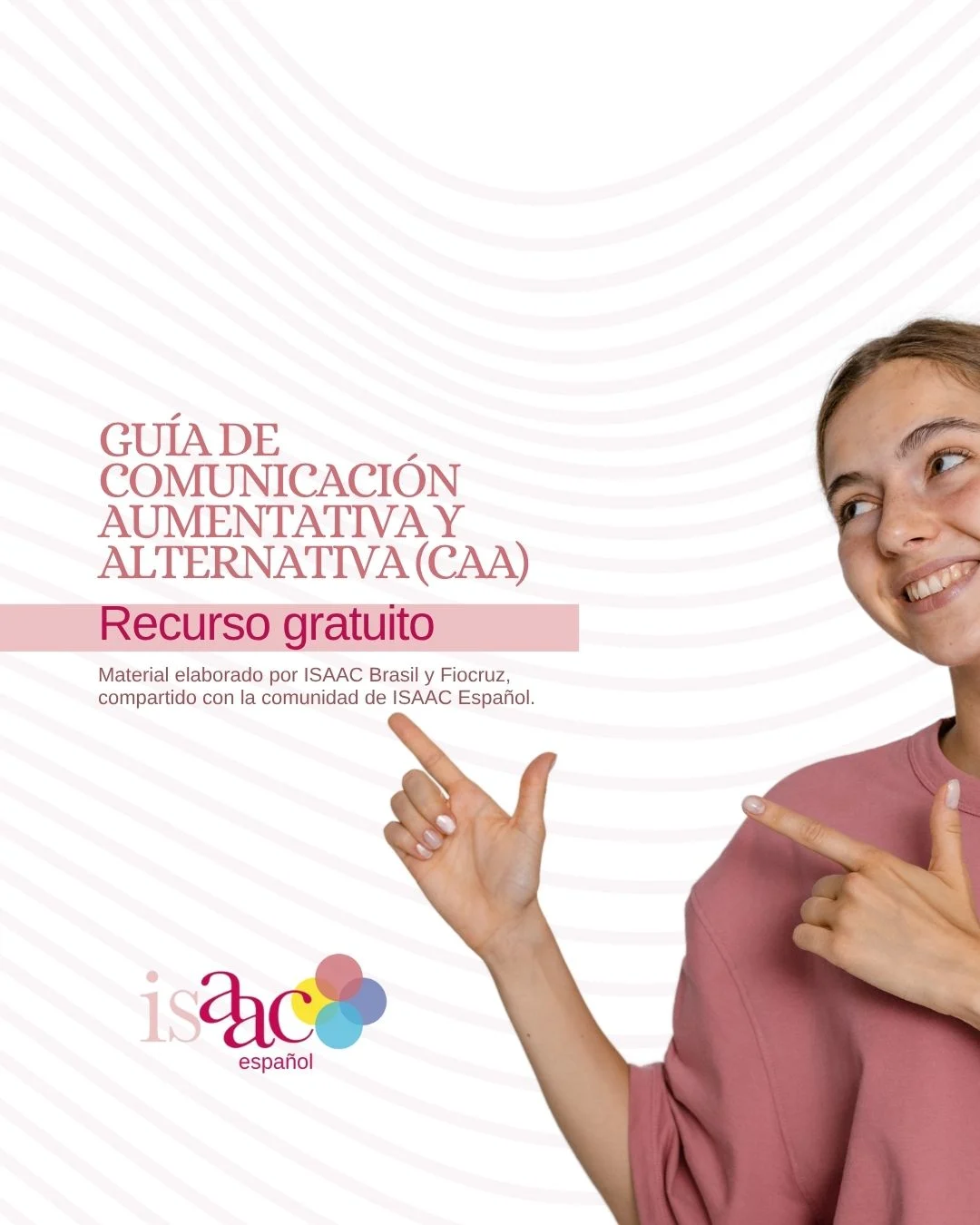
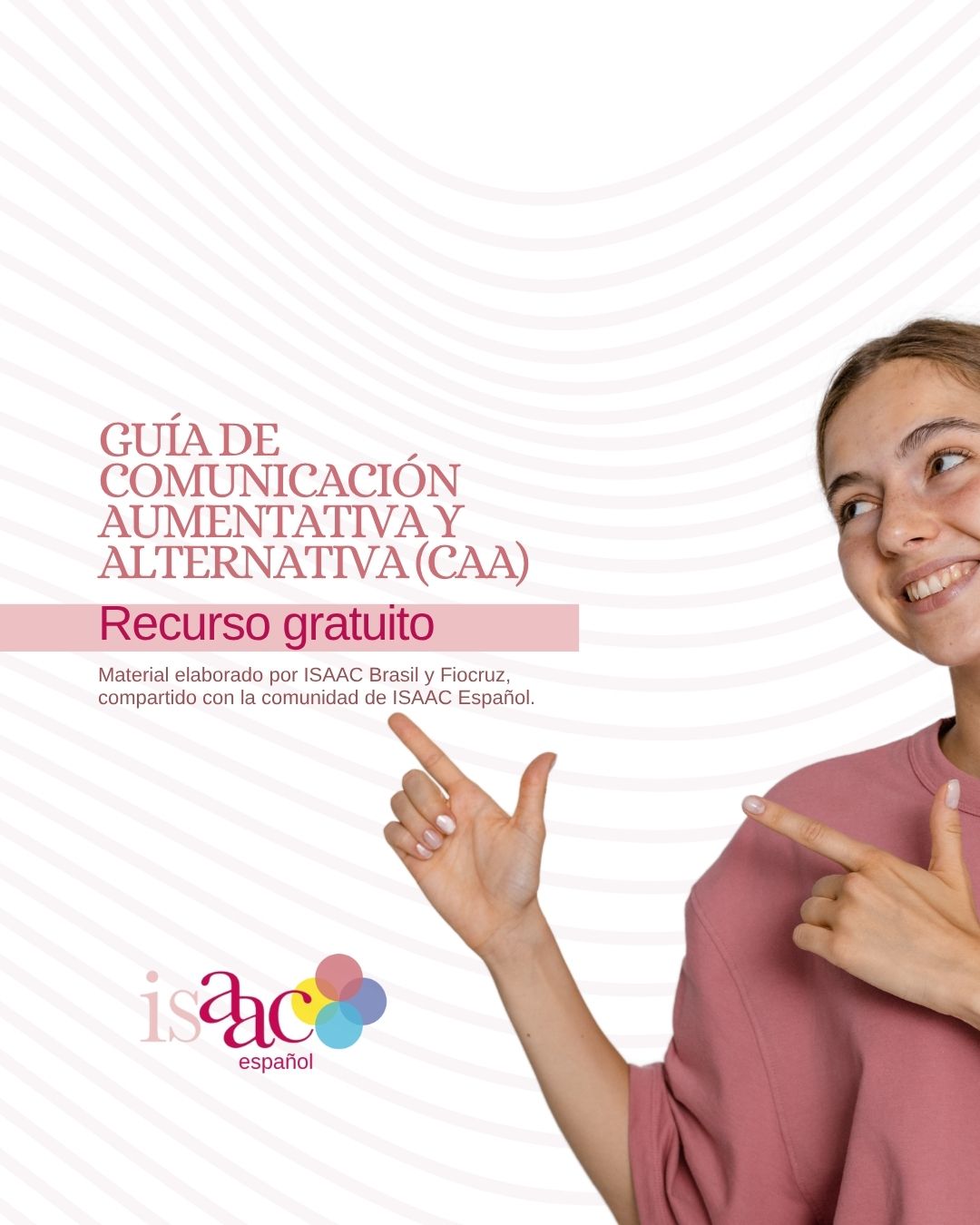
The guide is currently available as a digital download through the official ISAAC Spanish-language social media platforms. The organizations have intentionally used a QR-code dissemination strategy to lower the friction for busy parents and clinicians, allowing for rapid sharing via mobile devices.

By providing this resource at no cost, the project leaders aim to ensure that no family is excluded due to financial barriers. They encourage schools, hospitals, and non-profit organizations to print and distribute the material, provided the source remains attributed. As the community begins to utilize the guide, the hope is that it will serve as a conversation starter, fostering greater awareness about the importance of giving a voice to those who cannot rely on verbal speech.
In conclusion, the launch of the ISAAC and Fiocruz AAC Guide represents a victory for accessibility. By bridging the gap between theoretical research and practical daily application, the guide provides a necessary toolkit for fostering a more inclusive society where every individual has the means to share their thoughts, feelings, and needs. As technology and awareness continue to evolve, initiatives like this will remain the cornerstone of a world that values communication as an essential human right rather than a privilege.