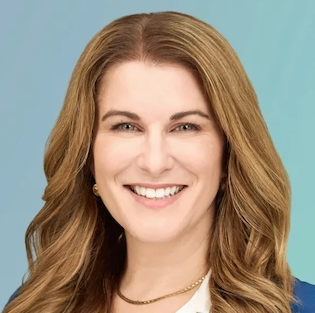
Dr. Nashlea Brogan, now 50 years old, has dedicated over two decades of her professional life to audiology, establishing and managing her own private practice. Her profound understanding and empathy for individuals experiencing hearing loss are deeply rooted in her personal journey. This firsthand experience with the challenges of hearing impairment fueled her academic pursuits, culminating in a doctorate in audiology. Beyond her professional endeavors, Dr. Brogan embodies a vibrant and active spirit. Her life is characterized by a love for outdoor pursuits, including skiing and frequent travel, and a particular passion for spending time in and around water.
The Gradual Descent into Hearing Loss
Dr. Brogan’s hearing loss is not an isolated familial trait but rather a hereditary condition. She shares that two of her family members also navigate life with hearing loss and are themselves users of cochlear implants. This genetic predisposition meant her hearing loss was a slow, progressive decline over many years. Her initial hearing assessment at the age of 14 marked the beginning of her awareness, with her first hearing aids being fitted at 18.
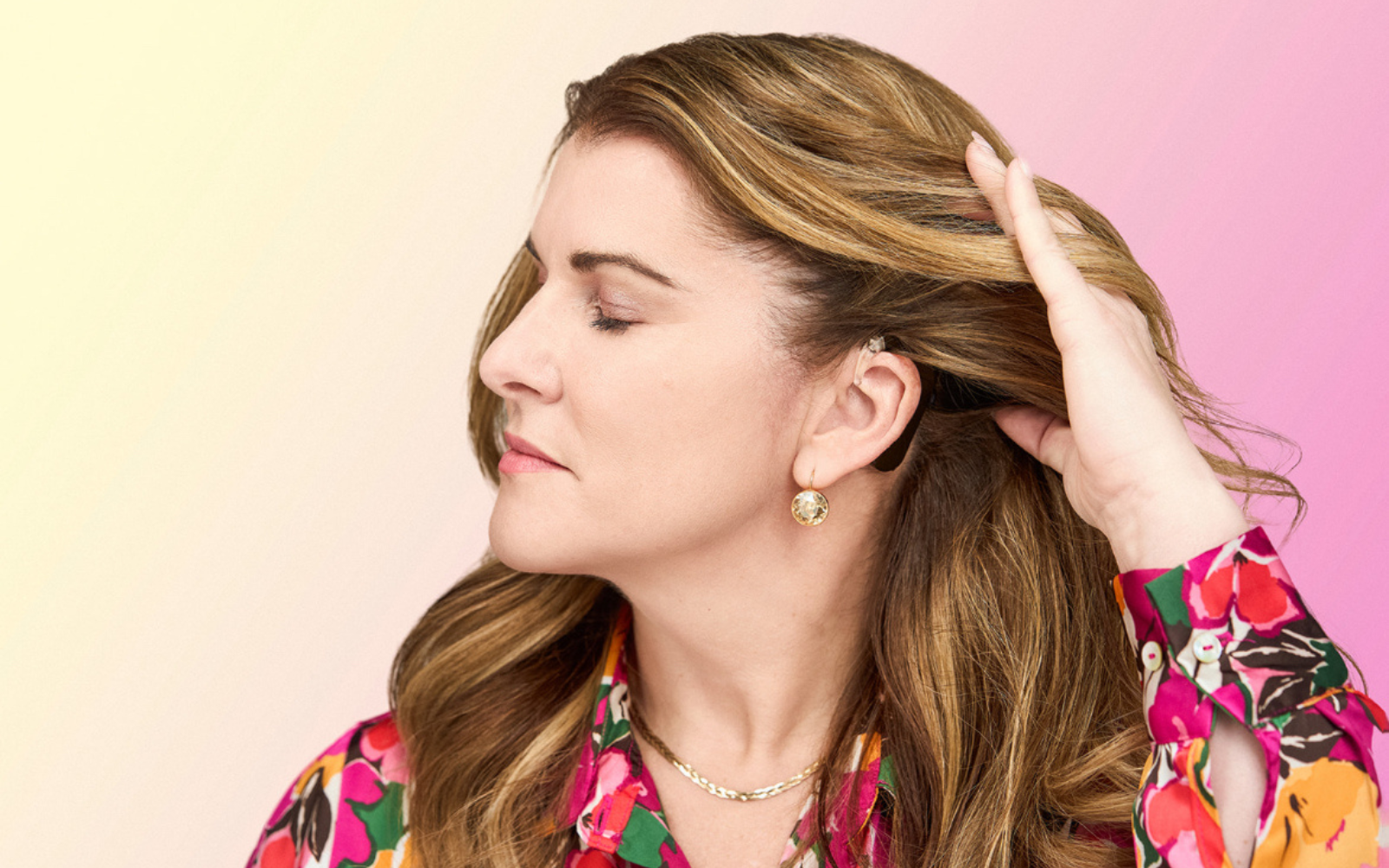
One of Dr. Brogan’s earliest and most vivid recollections of her hearing loss centers on the practical challenges it presented. She vividly remembers the unsettling realization that she could no longer hear passengers in the back seat while driving. This disconnect extended to her passion for Highland dancing, a competitive pursuit where the ability to discern auditory cues, such as the distinct sound of bagpipes, was crucial for performance. The inability to fully participate in these moments due to impaired hearing left a lasting impression.
By her late thirties, a period marked by the demands of raising two children and simultaneously building her audiology practice, the limitations of her hearing aids became increasingly apparent. The progressive nature of her hearing loss meant that conventional amplification was no longer sufficient. It was at this critical juncture that Dr. Brogan made the significant decision to pursue bilateral cochlear implants, a choice that would fundamentally alter her auditory experience.
The Water Paradox: Avoidance Versus Connection
Dr. Brogan’s lifelong affinity for water was a source of both joy and growing apprehension. For two decades, while relying on hearing aids, water gradually transformed from a beloved element into something to be actively avoided. This avoidance stemmed from a dual fear: the immediate concern of damaging her delicate hearing devices and the profound anxiety of complete auditory disconnection. The prospect of removing her hearing aids meant losing her ability to hear, communicate, and engage with her surroundings. Consequently, every beach excursion, every boat trip, and every leisurely afternoon by the pool became a calculated decision, a trade-off between protecting her technology and maintaining her connection to the world and the people around her. Over time, this constant negotiation led to a gradual withdrawal from many activities she once cherished.
The Critical Role of Waterproofing Solutions
The experience of bilateral cochlear implant users often involves a complete cessation of sound when both audio processors are removed. This reality underscores the significant impact that waterproof solutions can have. For individuals with cochlear implants, these accessories are not merely conveniences; they are essential tools that bridge the gap between an active lifestyle and the necessity of auditory engagement. The implications extend beyond recreational pursuits, enhancing communication and safety in aquatic environments.

A Paradigm Shift: Hearing Underwater
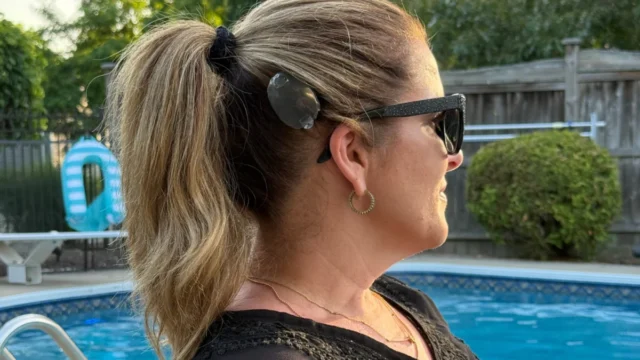
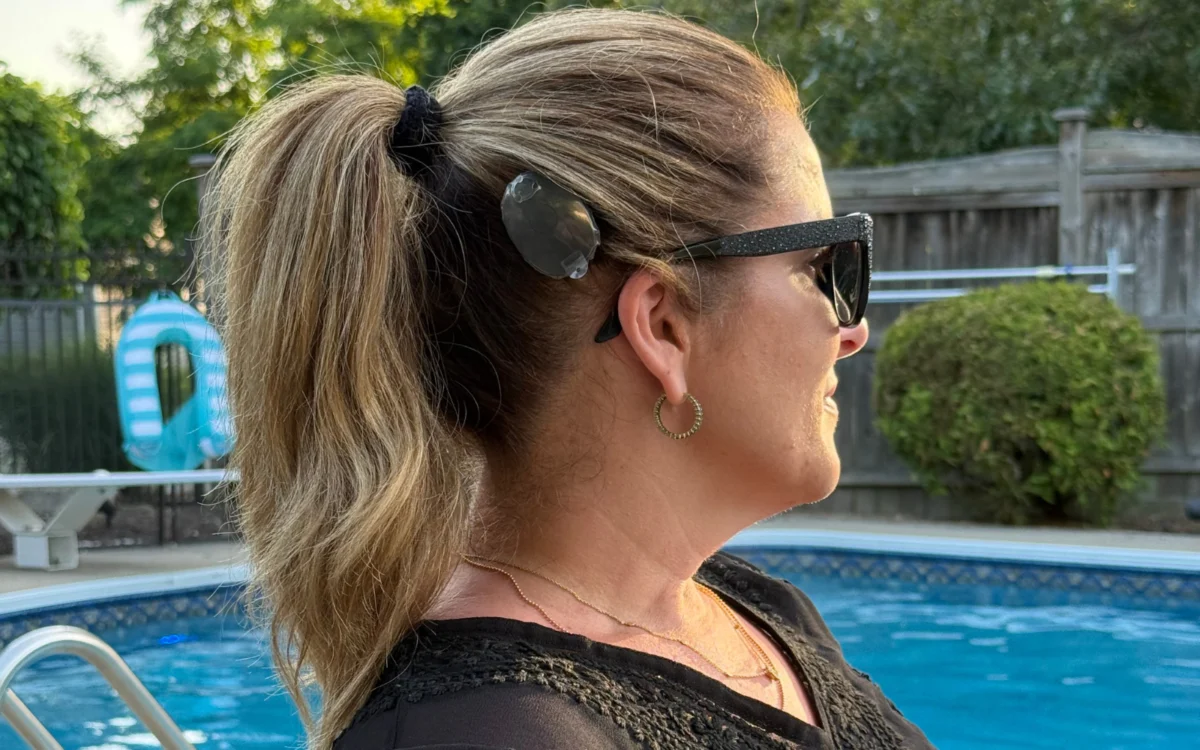
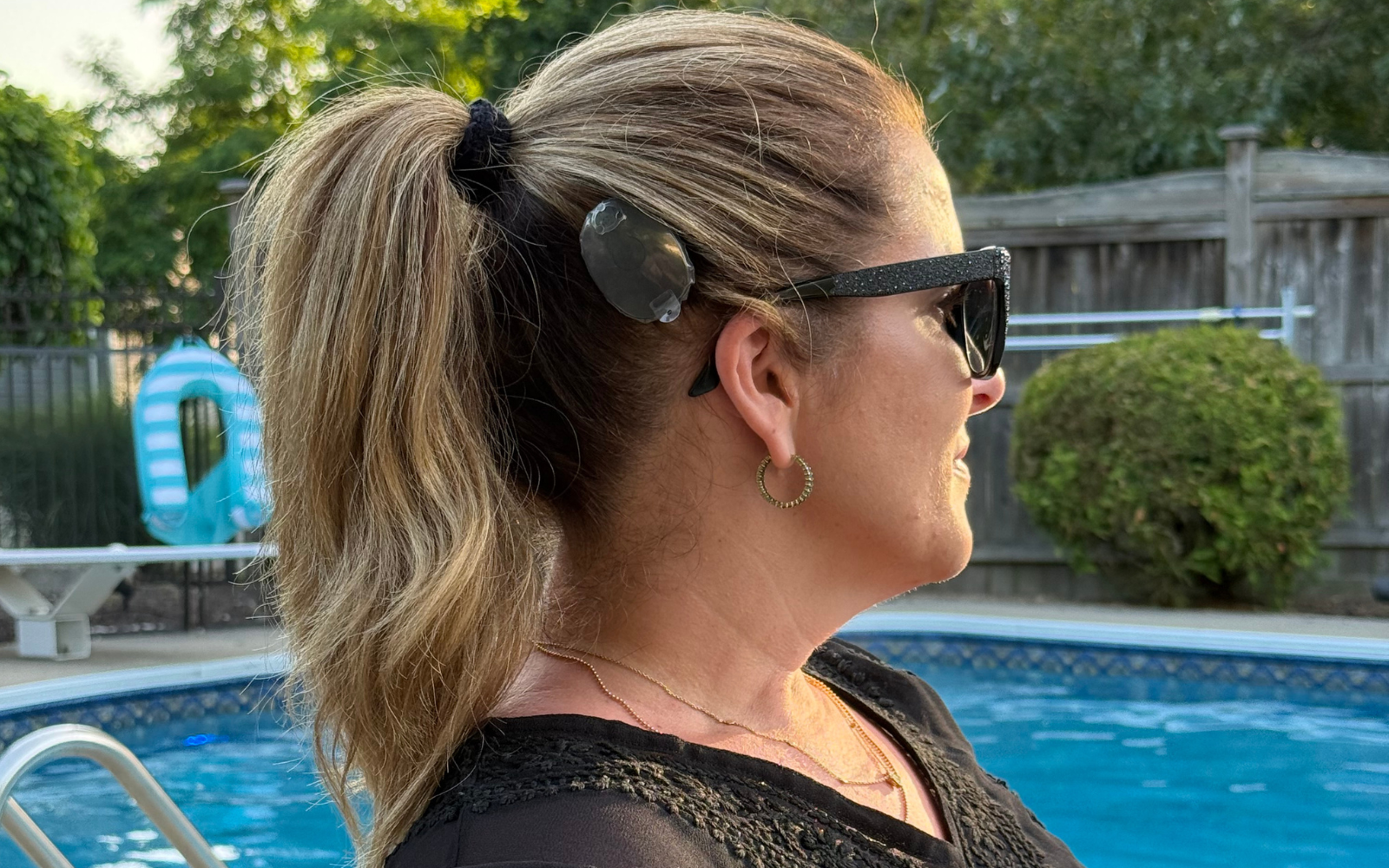
Dr. Brogan began utilizing MED-EL’s WaterWear accessory several years ago. The experience was profoundly revelatory, particularly the unexpected discovery that she could, in fact, hear while fully submerged in water. This realization was nothing short of astonishing, a moment she vividly recalls as a groundbreaking experience.
One of Dr. Brogan’s most cherished memories involving WaterWear occurred while she was relaxing on an inflatable in her swimming pool. In this state of complete ease, she was able to clearly hear the joyful laughter and splashing of her children playing nearby. This simple yet profound moment encapsulated the essence of what WaterWear had enabled: the ability to be fully present and connected during cherished family time, without compromise.
Travel Reimagined: Uninterrupted Experiences
Travel has always been an integral part of Dr. Brogan’s life, and WaterWear has become an indispensable companion on all her journeys. The accessory has fundamentally reshaped her vacation experiences, liberating her from the constant concern about her hearing equipment. Whether enjoying hotel pools, unwinding in hot tubs, exploring beaches, embarking on boat trips, or relaxing by lakes, she can now fully immerse herself in the experience without the underlying anxiety of protecting her processors.
A particularly poignant memory originates from a family trip to Arizona. While on a speedboat, her daughter was wakeboarding in the distance. When the boat stopped to allow everyone to enjoy the lake, Dr. Brogan found herself able to seamlessly join in the water activities with the rest of her family. This was a stark contrast to her pre-WaterWear days, when such spontaneous immersion would have been unthinkable.
Beyond Protection: Reclaiming Life’s Activities
As both a practicing audiologist and a cochlear implant user, Dr. Brogan frequently encounters individuals who express apprehension about potential limitations on their lifestyle, particularly concerning water-based activities, should they opt for a cochlear implant. She acknowledges and understands this fear, having experienced it herself.
For Dr. Brogan, WaterWear has been instrumental in facilitating a reconnection with activities she had deliberately avoided for over two decades. She emphasizes the broader significance of such accessories, highlighting their role in empowering individuals to continue living their lives as they have always known them, rather than feeling compelled to adapt their routines around their hearing technology. Whether she is paddleboarding, kayaking, boating, or simply enjoying an afternoon at the beach, she can now actively hear and engage with her surroundings. This ability to hear conversations, the sounds of the boat, and to remain part of ongoing discussions is not only enjoyable but critically important for both communication and safety.
The Unseen Impact: Confidence as a Catalyst
If there is one singular word that encapsulates the profound impact of cochlear implants and WaterWear on Dr. Brogan’s life, it is "confidence." This regained confidence has served as a powerful catalyst, enabling her to remain socially active and providing the freedom to explore new experiences and participate fully in life. Previously, concerns about her hearing might have led her to hesitate or withdraw from certain situations. Now, she feels empowered to engage without reservation.
The transformation is palpable. Before embracing WaterWear, Dr. Brogan would often shy away from water-centric environments, anticipating the inevitable moment when she would have to remove her processors. This anticipation often led to feelings of distress. Today, those feelings have been replaced by a profound sense of confidence, connection, and an uninhibited freedom to enjoy the activities she loves, surrounded by the people she cherishes.
Practical Guidance for New Users
For individuals considering or new to using WaterWear, Dr. Brogan offers valuable insights:
- Embrace the Experience: Don’t hesitate to test the waters. The initial surprise of hearing underwater can be incredibly rewarding.
- Versatile Application: Recognize that WaterWear is not exclusively for swimming. It extends to a wide array of water-related activities, from boating and paddleboarding to simply enjoying a hot tub or a day at the beach.
- Empowerment for All: Consider the broad spectrum of individuals who can benefit, including children at splash pads, families at pools, water sports enthusiasts, and anyone seeking to remain connected to their environment around water.
- Beyond Protection: Understand that WaterWear offers more than just a protective barrier for devices; it restores a sense of normalcy and participation, fostering a return to cherished activities.
A Life Lived on Personal Terms
When asked if her cochlear implants have imposed limitations on her lifestyle, Dr. Brogan’s response is consistently affirmative: her life has been remarkably unhindered. She continues to pursue her passions, including skiing, cycling, paddleboarding, and extensive travel, while maximizing her time outdoors. In her view, her cochlear implants have not restricted her world but rather expanded it.
The most fulfilling aspect of her professional work, she states, is witnessing similar transformative journeys unfold for her patients. She observes individuals who, over time, gradually relinquish aspects of their lives due to hearing loss. Upon receiving a cochlear implant, they begin to reclaim those lost moments, experiencing enhanced connection, renewed confidence, and a significant reduction in fear. Dr. Brogan concludes that having experienced this profound personal change herself, the process of facilitating it for others remains a deeply rewarding and ever-evolving endeavor.
The development of accessories like WaterWear by companies such as MED-EL represents a significant advancement in assistive listening technology. By addressing the specific challenges faced by individuals with hearing implants in aquatic environments, these innovations enable a more inclusive and fulfilling lifestyle. The implications extend beyond individual enjoyment, contributing to enhanced safety and communication for a broader segment of the population. As technology continues to evolve, the potential for individuals with hearing loss to fully participate in all aspects of life, regardless of their environment, appears increasingly attainable.