A Foundation of Early Intervention
The medical timeline for Wendorf began shortly after birth. In the United States, universal newborn hearing screening has become the standard of care, allowing for the identification of hearing loss within the first few weeks of life. For Wendorf, the diagnosis of bilateral sensorineural hearing loss—a permanent condition resulting from damage to the inner ear or the nerve pathways from the inner ear to the brain—was identified by the time he reached four months.
By six months of age, Wendorf was enrolled in the Listen and Talk program. This organization, which emphasizes a listening and spoken language approach, provides a comprehensive continuum of care. Wendorf’s progression through the organization’s Blended Classroom PreK program was instrumental in his development. These classrooms integrate children who are deaf or hard of hearing with their hearing peers, fostering a naturalistic environment that encourages the development of communication skills, social integration, and academic readiness.
The Genetic Context: Understanding Barakat Syndrome
While the clinical management of Wendorf’s hearing loss began in infancy, the medical picture gained additional clarity when he reached the age of 12. Genetic testing identified the underlying cause of his condition as a mutation in the GATA3 gene, which leads to a rare genetic disorder known as Barakat Syndrome, or HDR syndrome.
The syndrome is characterized by a clinical triad: Hypoparathyroidism (which impacts calcium regulation), sensorineural Deafness, and Renal disease (kidney dysfunction). According to the National Organization for Rare Disorders (NORD), HDR syndrome is inherited in an autosomal dominant pattern. The identification of this condition at age 12 provided Wendorf and his family with a definitive explanation for his physiological challenges. This diagnosis highlights the importance of genetic counseling and longitudinal medical monitoring for children with permanent hearing loss, as the systemic nature of HDR syndrome necessitates a multi-disciplinary approach to healthcare involving endocrinologists, nephrologists, and audiologists.
Cultivating Talent and Fearlessness
Beyond the clinical aspects of his upbringing, Wendorf’s personal history is defined by a consistent push toward artistic expression and public engagement. Observers and family members note that Wendorf displayed a "fearless" temperament, often gravitating toward activities that required both physical coordination and social confidence.
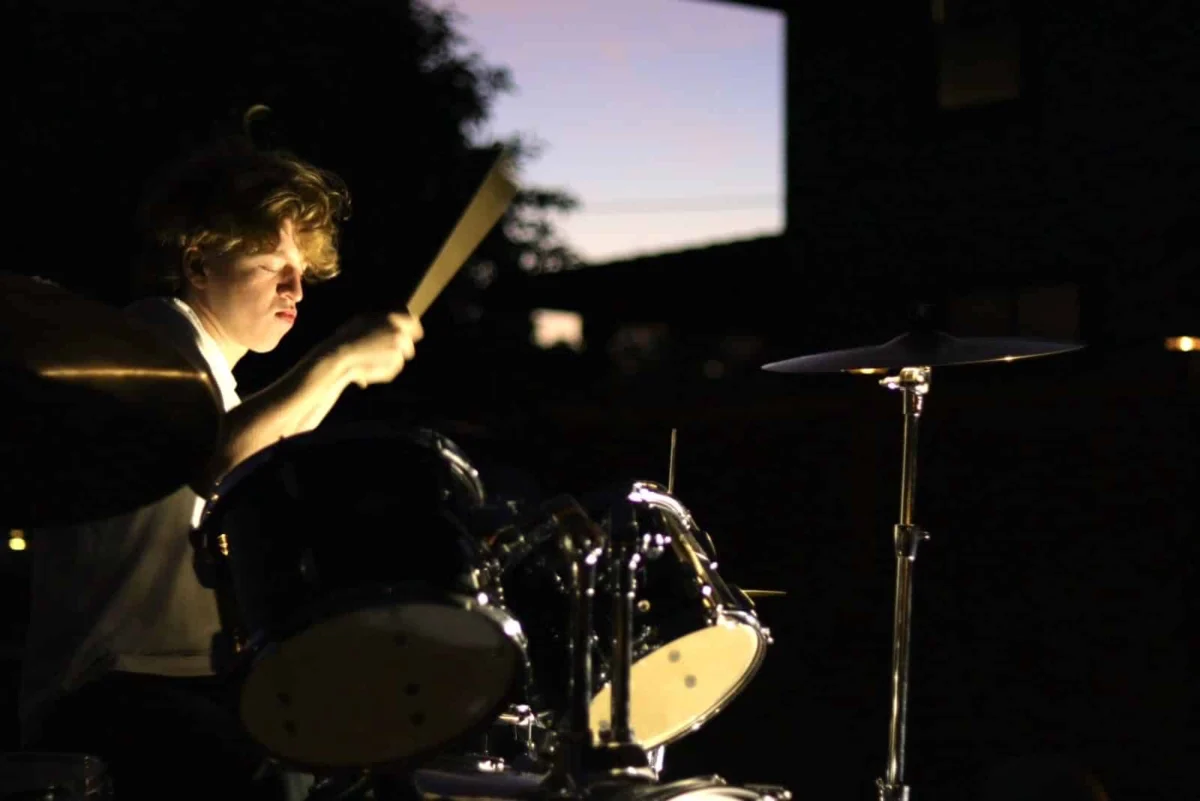
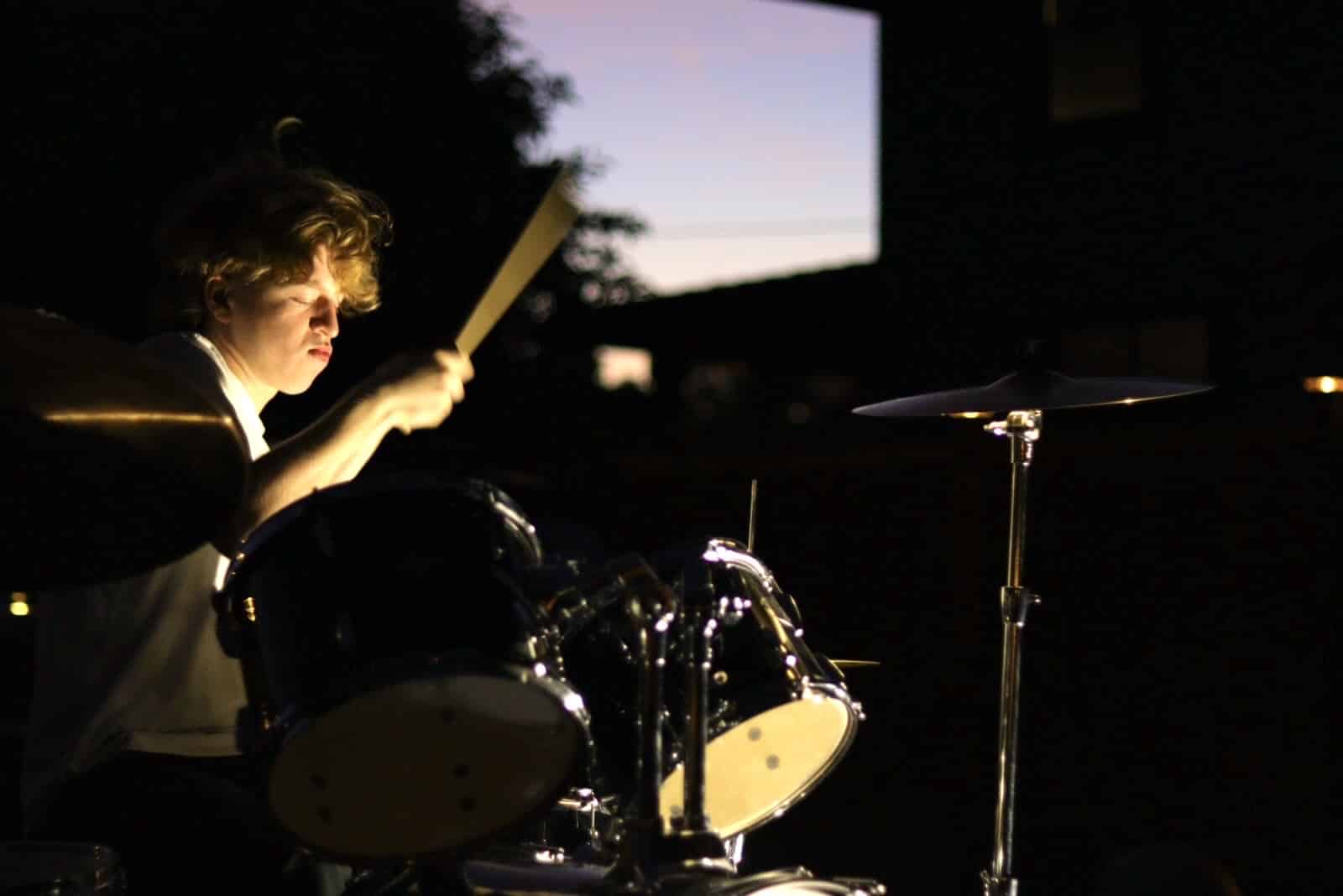
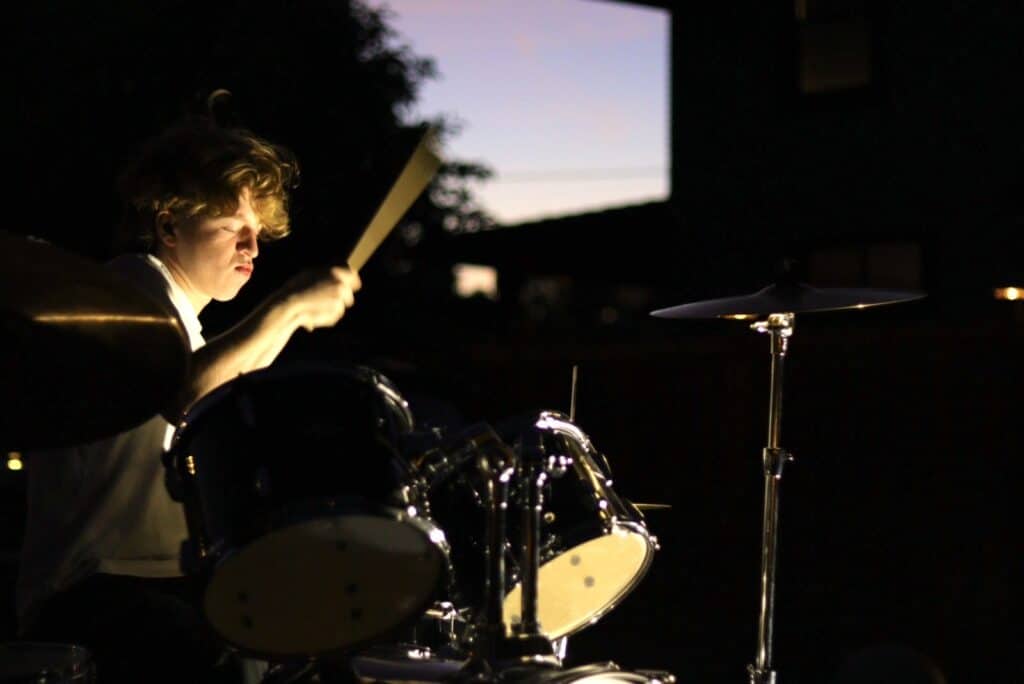
His participation in youth sports served as an initial foundation for his social development, but it was his entry into the performing arts that defined his adolescence. Wendorf engaged in formal training in improvisational comedy—a discipline that requires rapid auditory processing, quick thinking, and the ability to interpret non-verbal cues. This training culminated in several stage productions, where he successfully held lead acting roles. Furthermore, his commitment to self-education led him to master both the drums and the guitar, showcasing the versatility often seen in students who have undergone rigorous auditory-verbal training.
Transitioning to Professional Life in Los Angeles
In June 2024, Wendorf graduated from Renton High School, marking the conclusion of his primary and secondary education. Following his graduation, he relocated to Los Angeles to pursue a career in the arts. His transition to one of the most competitive creative markets in the world is a testament to the efficacy of the self-advocacy skills he honed during his time at Listen and Talk.
Reflecting on his experiences, Wendorf emphasizes the importance of community. "Listen and Talk showed me that in a world where it feels like there aren’t many people like me, I am not alone," he noted. For many young people with hearing loss, the transition to adulthood can be isolating. However, the networks established during childhood intervention programs often provide a psychological anchor, reinforcing the belief that hearing loss is a manageable aspect of one’s identity rather than a barrier to professional success.
The Broader Impact of Early Intervention
The success of individuals like Wendorf underscores the critical role that organizations like Listen and Talk play in the broader public health landscape. Data from the Centers for Disease Control and Prevention (CDC) consistently indicates that children who receive early intervention services before six months of age perform significantly better on language and social development tests than those who begin services later.
Listen and Talk’s model, which focuses on empowering both the child and the family, functions as a vital support system that extends beyond clinical therapy. By providing parents with the tools to advocate for their children within school districts and social environments, the program creates a ripple effect of inclusion. Wendorf’s parents have publicly attributed his development of a "grounded sense of self" and his ability to navigate the hearing world to the foundation provided by these services.
Financial Sustainability and Future Advocacy
As with many non-profit educational and therapeutic organizations, the sustainability of these programs relies heavily on philanthropic support. Listen and Talk has recently initiated its Alumni Family Giving Campaign, which aims to secure the resources necessary to continue providing services to the next generation of families.
The economic implications of such programs are significant. By equipping children with the communication skills necessary for integration into general education and, eventually, the workforce, early intervention reduces the long-term societal costs associated with unemployment and disability support. Furthermore, the success of alumni like Wendorf provides a tangible metric for the return on investment for both state-funded and private philanthropic contributions.
Conclusion: A Model for Future Generations
The case of Kai Wendorf provides a clear demonstration of how clinical intervention, family support, and personal drive can coalesce into a successful life trajectory. While the diagnosis of a rare genetic condition like Barakat Syndrome introduces specific health complexities, the narrative of his life remains centered on achievement and creative pursuit.
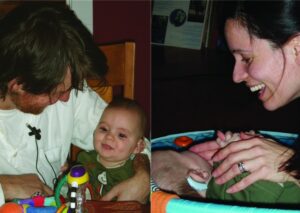
As Wendorf continues his career in Los Angeles, his story remains a powerful reference point for families currently navigating the early stages of a hearing loss diagnosis. It serves as a reminder that with the right support, the limitations once associated with sensory impairment are increasingly being replaced by opportunities for meaningful contribution in the arts, sciences, and beyond. The ongoing efforts of institutions like Listen and Talk to expand access to these services remain a vital component of ensuring that no child is limited by their hearing, regardless of the challenges they may face.