The Chronology of Intervention
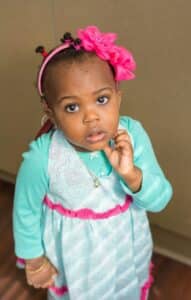
Amalia’s developmental trajectory began shortly after birth. Diagnosed with sensorineural hearing loss, she underwent surgery to receive cochlear implants at just ten months of age. This timing is significant; audiological research consistently demonstrates that implantation within the first year of life—often referred to as the "critical window"—significantly correlates with higher levels of speech perception, language acquisition, and eventual academic integration.
Following her surgery, Amalia was enrolled in the "Birth to Three" program at Listen and Talk. This stage of her development focused on sensory integration and the initial building blocks of language acquisition. By leveraging the cochlear implants, her therapists worked to ensure that her brain could interpret the auditory signals provided by the devices. As she progressed, she moved into the organization’s "Blended Classroom" model, which integrates children with hearing loss into a shared learning environment. This phase was pivotal in bridging the gap between clinical speech therapy and social-academic application, allowing Amalia to refine her communication skills in a dynamic, real-world setting.
Supporting Data and the Efficacy of LSL
The success of students like Amalia is supported by an increasing body of data surrounding Listening and Spoken Language (LSL) approaches. According to the Alexander Graham Bell Association for the Deaf and Hard of Hearing, children who receive high-quality LSL therapy and appropriate hearing technology in their infancy are significantly more likely to attend mainstream schools, participate in extracurricular activities, and pursue higher education.
Current longitudinal studies suggest that the "earlier is better" mandate is more than a pedagogical suggestion; it is a neurological necessity. The human brain’s ability to map auditory stimuli is most robust before the age of three. When a child is provided with the auditory information they need through cochlear implants or hearing aids, and when that information is paired with intensive, expert-led language instruction, they can close the "language gap" that often exists between deaf children and their hearing peers. Amalia’s transition into a general education classroom is the tangible result of this successful intervention. Her ability to thrive alongside hearing classmates is a benchmark for success in the field of audiology and special education, proving that, with the right support, the limitations once associated with hearing loss can be effectively mitigated.

Broadening the Horizon: Beyond the Classroom
While academic success is a primary metric for early intervention programs, the holistic development of the child is equally vital. Amalia’s story highlights a critical aspect of integration: the ability to participate in sports and community activities. Her engagement in swimming, track and field, and basketball serves as a functional indicator of her confidence and social self-efficacy.
In the context of pediatric hearing loss, participation in team sports and physical activities is often challenging due to the need for clear communication in noisy environments. The fact that Amalia manages these environments with success speaks to the high level of speech-in-noise recognition she has developed. Such outcomes are not accidental; they are the result of years of "auditory coaching" that teaches children to distinguish speech from ambient noise, a skill that is essential for both social integration and athletic coordination.
Institutional Impact and the Role of Philanthropy
The work performed by organizations like Listen and Talk relies heavily on consistent funding to maintain the high ratio of specialized staff to students required for this type of intervention. The current push for an Alumni Family Giving Campaign underscores the economic reality of nonprofit educational services. These campaigns are designed to sustain the "Birth to Three" and "Blended Classroom" models, which are often costly due to the specialized nature of the equipment and the high level of individual attention required.
From a policy perspective, the financial support of such programs is a sound investment. Data from the National Institute on Deafness and Other Communication Disorders (NIDCD) indicates that individuals who receive comprehensive early intervention are far less likely to require intensive remedial special education services in later years. By investing in the "foundation" of a child’s development, these organizations effectively reduce the long-term societal costs associated with communication barriers.
Expert Perspectives on Long-term Outcomes
Experts in the field of pediatric audiology emphasize that the "Listen and Talk" model represents a paradigm shift in how society views deafness. The traditional focus on "managing" hearing loss has been replaced by an emphasis on "overcoming" the limitations through technology and behavioral training.
"The goal," as one representative from the organization noted, "is to ensure that no child is limited by their hearing loss." This vision is reflected in the current efforts to support families who may not have access to the same resources. By highlighting the progress of alumni like Amalia, the organization provides a roadmap for current families currently navigating the daunting initial stages of an infant’s hearing loss diagnosis.

Broader Implications for Special Education
The integration of children with hearing loss into mainstream education—as seen in Amalia’s case—has profound implications for school districts across the country. It necessitates a higher degree of teacher training, the implementation of assistive technology in standard classrooms, and a cultural shift in how peer groups interact with students who utilize implants or hearing aids.
Amalia’s success provides a blueprint for what is possible when the educational system works in tandem with specialized, intensive clinical support. Her experience suggests that the future of education for the deaf and hard-of-hearing community lies in this "blended" approach, where clinical expertise is not confined to a hospital or a private clinic, but is integrated into the daily life of the child.
Conclusion: A Legacy of Achievement
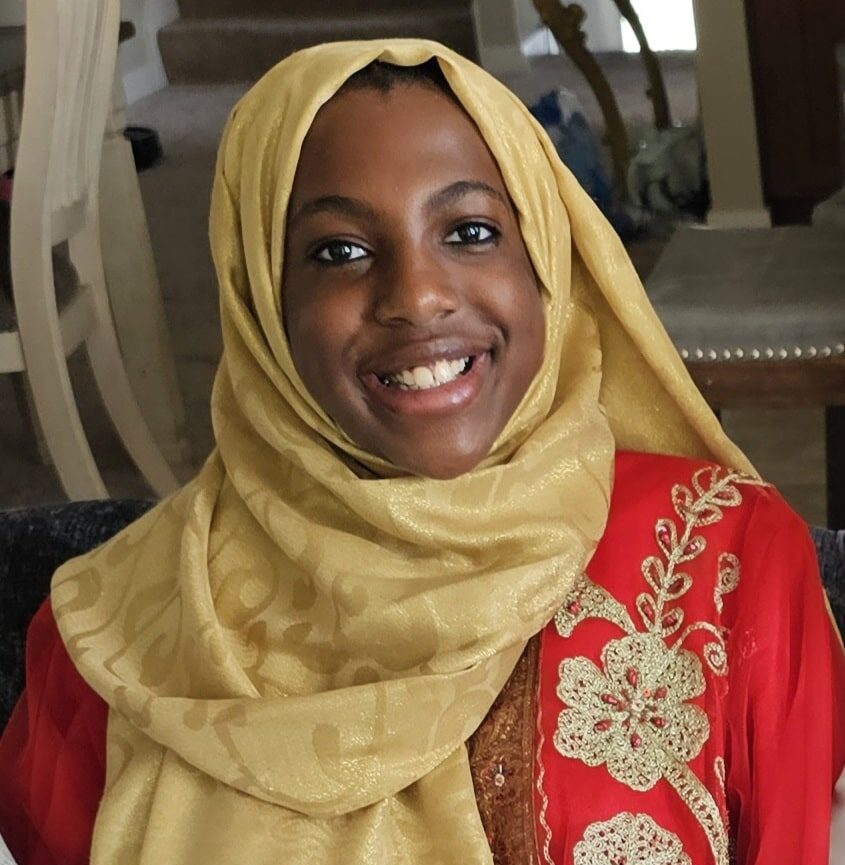
As Amalia Faraji continues her education and pursues her future goals, her story remains a cornerstone of the Listen and Talk mission. It is a reminder that the intervention provided in the first three years of life sets the stage for the next eighty.
For the families currently beginning this journey, the message is one of cautious optimism. While the initial diagnosis of hearing loss can be overwhelming, the trajectory of students who have benefited from structured, long-term intervention—characterized by early implantation and a commitment to oral language—is overwhelmingly positive. The ongoing Alumni Family Giving Campaign serves not only to fund future operations but to reinforce a community of support that spans generations, ensuring that the successes of today’s students become the standard for the children of tomorrow.
The data is clear: when the barriers to communication are removed through technology and specialized education, the potential for success is limited only by the individual’s ambition. Amalia Faraji stands as a testament to this reality, a young woman whose life trajectory has been fundamentally altered by the timely application of expertise, technology, and community support. Her journey is a compelling argument for the continued prioritization of early intervention services in the broader national healthcare and educational landscape.