
The Clinical Challenge of Vestibular Migraine
Vestibular migraine (VM) remains one of the most frequently misdiagnosed and undertreated neurological conditions. Unlike traditional migraines, which are primarily identified by intense, throbbing head pain, VM often presents with vestibular symptoms such as spontaneous vertigo, motion sensitivity, and postural instability. According to epidemiological data, vestibular migraine affects approximately 1% of the general population and up to 10% of patients seen in specialized dizziness clinics. Despite its prevalence, the biological mechanisms driving the condition have historically been elusive, leading many patients through a cycle of ineffective treatments and specialists.
The ICU podcast episode highlights the limitations of the current diagnostic framework. Traditional migraine management often focuses on identifying external "triggers"—such as red wine, aged cheese, or weather changes—and prescribing prophylactic medications like beta-blockers or anticonvulsants. While these interventions provide relief for some, a significant portion of the patient population, including those like Rachel Weaver, find only marginal improvement. Dr. Kyle Bills suggests that the focus on symptoms alone overlooks the underlying biological "road" that leads to those symptoms. By examining brain energy metabolism and insulin sensitivity, researchers are identifying a subset of patients for whom blood sugar instability is the primary driver of their neurological dysfunction.
A Two-Decade Chronology of Chronic Dizziness
The journey of Rachel Weaver serves as a poignant case study for the limitations of traditional vestibular care. Her experience began abruptly nearly 20 years ago with a sudden onset of constant dizziness. For 18 years, Weaver navigated a world that felt permanently unsteady, a condition that persisted through major life milestones, including her career as a novelist and the raising of twin boys.
Between 2006 and 2024, Weaver’s medical history followed a familiar pattern for VM sufferers:
- Onset and Acute Testing: Following the initial onset of vertigo, Weaver underwent extensive neuroimaging (MRIs) and blood panels to rule out life-threatening conditions such as brain tumors or multiple sclerosis.
- The Diagnostic Vacuum: With "normal" test results, she was left without a clear explanation for her symptoms, leading to a period of trial-and-error with various specialists.
- Standard Migraine Interventions: Upon receiving a vestibular migraine diagnosis, she attempted traditional pharmacological treatments and the "Heal Your Headache" elimination diet. While these measures "took the edge off," they failed to restore her baseline stability.
- Metabolic Discovery: After years of self-observation, Weaver noted a correlation between meal timing and symptom intensity. This led her to the work of Dr. Kyle Bills and a subsequent shift toward metabolic-focused therapy.
Weaver’s narrative underscores the psychological toll of chronic illness, describing the "burnout on hope" that occurs when patients repeatedly share their stories with new providers only to receive the same inadequate answers. Her transition from a state of constant disability to one of functional health provides a compelling argument for the integration of metabolic science into neurology.
The Science of Glycemic Phenotyping
Dr. Kyle Bills’ research, recently published in Frontiers in Neurology, challenges the "one-size-fits-all" approach to migraine treatment. His work posits that migraine is, at its core, a disorder of brain energy metabolism. The brain is an energy-intensive organ, and the "migraine brain" is hypothesized to be particularly sensitive to fluctuations in fuel supply.
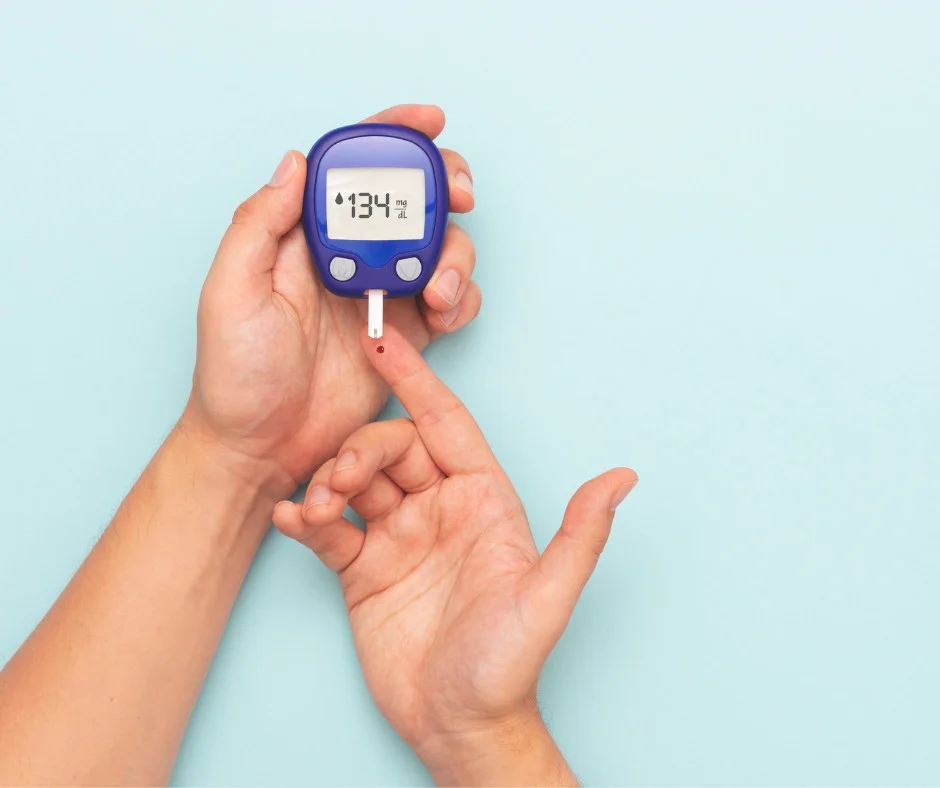
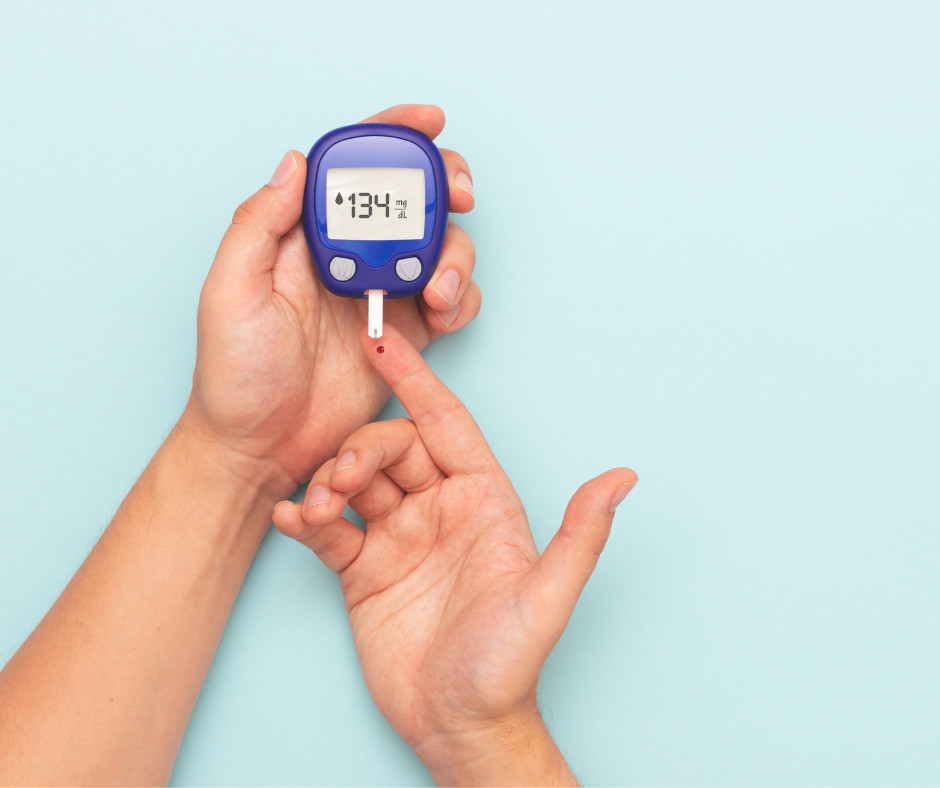
A key revelation in Dr. Bills’ research is the inadequacy of standard metabolic markers like fasting blood glucose or Hemoglobin A1C (HbA1c) for diagnosing migraine-related metabolic issues. Many patients with vestibular migraine present with "normal" A1C levels, yet their bodies struggle to maintain the steady glucose supply required for neurological health. To address this, Dr. Bills utilizes Continuous Glucose Monitors (CGMs) to track real-time data, revealing three distinct "glycemic phenotypes" within the migraine population:
- The Stable Phenotype: Patients whose glucose remains steady throughout the day. These individuals likely have a different primary driver for their migraines, such as hormonal shifts or structural issues.
- The Fast-Reacting Phenotype: Patients who experience rapid rises and sharp drops in blood sugar following meals. These "glucose spikes and crashes" can trigger errant nerve firing in the brain.
- The Insulin-Resistant Phenotype: Patients whose bodies require excessive amounts of insulin to manage glucose, leading to a state of chronic metabolic stress that lowers the threshold for a migraine attack.
This phenotyping allows for personalized medicine. By identifying which biological road a patient is on, clinicians can tailor interventions—such as specific dietary protocols or medications—that target the root cause of the neural instability rather than just the resulting dizziness.
Biological Mechanisms: Glucose and Nerve Firing
The physiological link between glucose and vestibular symptoms involves a phenomenon known as cortical spreading depression (CSD). CSD is a wave of electrophysiological hyperactivity followed by a wave of inhibition that moves across the brain’s cortex. It is widely recognized as the biological basis for migraine aura and is a major contributor to the "brain fog" and sensory sensitivities associated with vestibular migraine.
Dr. Bills explains that rapid fluctuations in blood glucose can destabilize the neuronal environment, making the brain more susceptible to CSD. When blood sugar drops precipitously (reactive hypoglycemia), the brain experiences an energy crisis. In response, neurons may fire erratically, leading to the sensation of vertigo or dizziness even in the absence of a traditional headache. For patients like Weaver, who experienced constant dizziness, this suggests a state of perpetual metabolic turbulence where the brain never reaches a state of energetic equilibrium.
Therapeutic Ketosis as a Neurological Intervention
The treatment protocol that eventually provided relief for Rachel Weaver involved a strict, therapeutic ketogenic diet. Unlike standard low-carb diets intended for weight loss, a therapeutic ketogenic diet is designed to shift the brain’s primary fuel source from glucose to ketones. Ketones are a more stable and efficient fuel for the brain, and they have been shown to have neuroprotective properties.
Weaver’s transition to this protocol was marked by a rapid improvement in symptoms. Within 48 hours of entering ketosis, she reported a level of mental clarity that had been absent for nearly two decades. Within a week, her constant dizziness had subsided. This outcome aligns with historical uses of the ketogenic diet in neurology, most notably in the treatment of drug-resistant epilepsy, where stabilizing brain energy metabolism is key to preventing seizures.
Dr. Bills emphasizes that while the ketogenic diet is a powerful tool, it is not a universal "cure" for all migraine patients. Its success depends entirely on the patient’s glycemic phenotype. For those in the "Fast-Reacting" or "Insulin-Resistant" categories, stabilizing the fuel supply can effectively raise the migraine threshold, making the brain less reactive to other triggers like stress or weather changes.
Broader Implications for Personalized Medicine
The insights shared in the ICU podcast have significant implications for the future of vestibular and neurological care. The move toward metabolic-based diagnosis represents a shift from reactive to proactive medicine. By utilizing technology like CGMs and focusing on glycemic dynamics, the medical community can move beyond the "black box" of vestibular migraine and offer patients concrete biological explanations for their symptoms.
Furthermore, the discussion highlights the importance of the patient-provider relationship. Dr. Bills notes that successful outcomes require a collaborative approach where the patient’s lived experience is treated as valuable data. Weaver’s ability to identify the nuances of her own symptoms allowed Dr. Bills to apply the correct scientific framework to her case.
Conclusion and Future Outlook
The collaboration between Dr. Kyle Bills and Rachel Weaver illustrates a hopeful new chapter for those suffering from vestibular migraine. The identification of blood glucose regulation as a central factor in neurological stability offers a tangible path forward for patients who have failed to find relief through traditional means. As research into glycemic phenotyping continues to evolve, it is likely that metabolic assessment will become a standard component of migraine care.
For the millions of individuals living with chronic dizziness, the message is one of empowerment and validation. As Weaver noted in her closing remarks, healing is not just about the absence of symptoms, but about "waking back up inside your own life." By bridging the gap between cutting-edge neuroscience and the human experience, clinicians and patients are finding new ways to steady a spinning world. The work of the ICU Podcast and researchers like Dr. Bills serves as a reminder that even after decades of instability, a clearer, steadier future is possible through the lens of metabolic health.