The Scale of the Challenge: Data and Demographics
The necessity for such public health intervention is backed by growing clinical data. According to the World Health Organization (WHO), over 1.1 billion young people worldwide are at risk of hearing loss due to exposure to noise in recreational settings. In the UK, the prevalence of tinnitus—a condition characterized by the perception of ringing, buzzing, or hissing without an external source—is estimated to affect approximately one in eight adults.
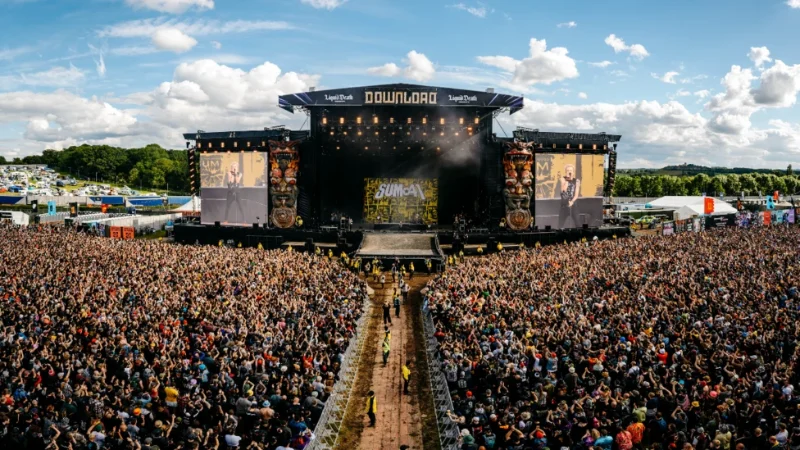
Research indicates that exposure to sound levels exceeding 85 decibels (dB) for extended periods can initiate physiological changes in the inner ear. Most major music festivals, where sound systems are engineered to provide an immersive experience, frequently reach levels between 100 dB and 110 dB. At these intensities, damage can occur in as little as 15 to 30 minutes of unprotected exposure. The cumulative effect of these "unforgettable nights" often manifests years later, highlighting the need for early intervention and consistent behavioral modification among younger concert-goers.
A Chronology of Awareness: The Road to Download 2026
The collaboration between Tinnitus UK and Download Festival 2026 is the culmination of years of advocacy. The timeline of this engagement can be traced back to the post-pandemic resurgence of live music in 2022, which saw a surge in consumer demand and, consequently, a higher frequency of noise-related complaints from concert attendees.
By 2024, Tinnitus UK began a series of pilot awareness programs, testing the efficacy of onsite education booths and social media campaigns targeting the "heavy metal and rock" demographic—a group often subjected to some of the highest sound pressure levels in the touring industry. The 2026 partnership with Download represents a scaling-up of these efforts. By embedding professional audiologists and advocacy representatives within the festival grounds, the organization aims to move beyond theoretical warnings and into the realm of practical, real-time harm reduction.
Strategic Initiatives for Hearing Preservation
The core of the current campaign is built upon four pillars of protection that aim to normalize the use of hearing safety gear in social settings.
First, the promotion of high-fidelity earplugs is a central priority. Unlike traditional foam earplugs, which can muffle sound and degrade the quality of the musical performance, modern high-fidelity filters are designed to reduce the overall volume while maintaining frequency clarity. By lowering the decibel load without sacrificing the "live" experience, these devices serve as a bridge between safety and enjoyment.
Second, the "rest and recover" approach is being emphasized. Health experts suggest that the inner ear requires periods of "silence" or significantly lower decibel exposure to recover from metabolic stress. The campaign encourages attendees to retreat to "quiet zones" or designated chill-out areas for at least 15 to 20 minutes every few hours. This simple, data-backed habit can significantly reduce the risk of temporary threshold shifts—the ringing sensation often felt immediately after leaving a concert.
Third, situational awareness—often described as the "shout test"—remains a key metric for fans. If a concert-goer must shout at the top of their lungs to be heard by someone standing at arm’s length, the ambient noise level is almost certainly above 90 dB. Encouraging fans to move away from front-of-house speakers or "stack" arrays can lead to a 5–10 dB reduction in exposure, which effectively doubles the safe listening time.
Finally, the protection of younger generations is a primary concern. The campaign emphasizes that children’s ears are significantly more susceptible to noise-induced damage due to their developing anatomy. The advocacy for pediatric-sized ear defenders is aimed at parents who bring children into high-volume environments, ensuring that the next generation of music fans is not alienated from the art form by early-onset hearing loss.
Institutional Responses and Industry Shift
The partnership has been welcomed by major stakeholders in the live music sector. Festival organizers, once wary of "safety messages" that might dampen the spirit of an event, are increasingly viewing hearing health as a component of duty-of-care.
"The goal is not to diminish the power of the music, but to ensure that the music remains a lifelong companion," a representative for the festival noted in a preliminary briefing. While official statements from festival promoters emphasize the joy of the live experience, there is a quiet, underlying acknowledgement that the industry must adapt to rising health standards. Insurance premiums and health-and-safety regulations are also driving this shift, as organizers look to mitigate potential long-term liabilities related to noise exposure.
Implications for the Future of Live Performance
The long-term impact of this campaign could be transformative. By integrating hearing health into the "festival culture" lexicon, Tinnitus UK is attempting to shift the social stigma associated with wearing ear protection. In the past, wearing earplugs was often perceived as a sign of being an "outsider" or less committed to the performance. The current campaign flips this narrative, framing the use of protection as a mark of a "proactive" fan who intends to continue attending gigs for decades to come.
Furthermore, the integration of digital resources—including the Tinnitus UK helpline and online diagnostic tools—provides an essential safety net for those who may already be experiencing the early signs of tinnitus. Providing a confidential, non-judgmental space for individuals to seek guidance helps to demystify the condition, which is often shrouded in misconceptions.
A Sustainable Model for Public Health
As the summer of 2026 progresses, the efficacy of the Tinnitus UK initiative will likely be measured by engagement metrics, such as the number of earplugs distributed and the traffic generated to their educational portals. However, the broader success will be found in the change in public behavior over the coming years.
By treating hearing loss as a public health issue that can be managed through simple, accessible strategies, Tinnitus UK is providing a roadmap for other major events. The synthesis of high-quality, research-based information with the visceral, high-energy environment of a music festival suggests a new standard for event management—one that values the health of the listener as much as the performance of the artist.
For millions of Britons, music is more than just entertainment; it is a fundamental part of their social and emotional wellbeing. The efforts currently underway ensure that the roar of the crowd and the pulse of the bass do not lead to a future of silence, but rather a lifetime of sonic discovery. As attendees prepare for the upcoming festival season, the message remains clear: protecting your ears is the single most effective way to ensure you never have to miss the next great show. For those seeking immediate assistance, the Tinnitus UK helpline remains a critical, free resource for navigating the complexities of hearing health in an increasingly loud world.