
What Exactly is Diplacusis?
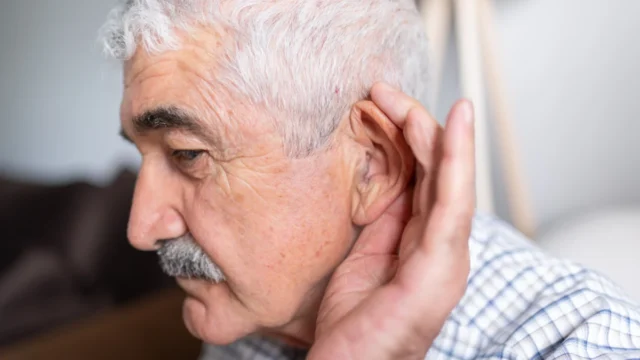
At its core, diplacusis describes a perceptual anomaly where one auditory input is processed by the brain as two separate signals. This divergence can manifest in several ways: a single sound might be perceived at two different pitches, or one ear might register a sound with a delay compared to the other, creating an echo-like effect. This distortion can affect the clarity of speech, the richness of music, the intelligibility of phone calls, and the ability to discern important sounds like alarms or conversations in noisy environments.
The underlying issue often lies in the complex auditory pathways. Diplacusis can arise when the ears, cochlea, auditory nerve, or central auditory processing centers in the brain transmit mismatched sound information. This mismatch can be linked to a variety of factors, from simple earwax buildup to more complex inner ear disorders.

The Spectrum of Double Hearing: Types and Manifestations
Diplacusis is not a monolithic condition; it presents with distinct variations, primarily categorized by how the auditory system processes sound discrepancies:
-
Diplacusis Binauralis: This type involves a pitch mismatch between the two ears.
- Echoica: Characterized by a temporal delay in sound perception between the ears, leading to an echo-like experience. A sound may be heard, and then a fraction of a second later, a near-identical repetition. This can make it challenging to process rapid speech or complex auditory cues.
- Dysharmonica: This is perhaps the most commonly discussed form, involving a perceived difference in pitch between the two ears for the same sound. For instance, a musical note played might sound at one pitch in the left ear and a slightly higher or lower pitch in the right ear. This can be particularly distressing for musicians or individuals highly sensitive to pitch, making music sound "out of tune" or dissonant.
-
Diplacusis Monauralis: This occurs within a single ear. A singular sound is perceived as two distinct tones or pitches, creating a similar disorienting effect as diplacusis dysharmonica, but localized to one ear. This can lead to a feeling of internal disharmony within that ear’s auditory processing.
The subjective experience of double hearing can be difficult for individuals to articulate. Common descriptions include sounds being "off-key," "delayed," "echoing," or simply "wrong." These symptoms can be most pronounced when listening to pure tones, music, alarms, speech, or audio transmitted through headphones, where subtle differences are more easily detected.

Unraveling the Causes of Diplacusis
The emergence of diplacusis is often a signal that the auditory system is not functioning optimally. A range of conditions can disrupt the synchronized transmission and processing of sound information to the brain:
- Earwax Blockage: A simple yet common cause, impacted earwax can alter the way sound waves reach the eardrum, leading to temporary distortions in hearing, including diplacusis.
- Ear Infections and Congestion: Middle ear infections (otitis media) or significant nasal congestion can cause fluid buildup or pressure changes in the ear, affecting the delicate structures of the middle and inner ear and consequently, sound perception.
- Loud Noise Exposure: Acute exposure to extremely loud noises (acoustic trauma) or chronic exposure to high noise levels can damage the sensitive hair cells in the cochlea, leading to temporary or permanent hearing loss and associated auditory distortions like diplacusis.
- Inner Ear Disorders: Conditions affecting the cochlea, such as Meniere’s disease, labyrinthitis, or other vestibular disorders, can disrupt the complex mechanics of hearing and balance, often manifesting with aural symptoms like diplacusis.
- Sudden Sensorineural Hearing Loss (SSNHL): This is a medical emergency characterized by a rapid loss of hearing, often in one ear. Diplacusis can be a prominent symptom of SSNHL, alongside tinnitus and dizziness. Prompt medical attention is crucial in such cases.
- Ototoxic Medications: Certain medications can be toxic to the inner ear, leading to hearing damage and related symptoms.
- Head Trauma: Injuries to the head can affect the auditory pathways or the structures of the ear, potentially resulting in diplacusis.
- Neurological Conditions: Less commonly, conditions affecting the auditory nerve or the brain’s auditory processing centers can lead to diplacusis.
- Asymmetric Hearing Loss: When hearing loss is significantly different between the two ears, the brain may struggle to reconcile the differing sound inputs, leading to pitch discrepancies and diplacusis. This can be a consequence of various forms of hearing loss, including sensorineural hearing loss.
The onset of diplacusis, particularly if it is sudden, unilateral (affecting only one ear), or accompanied by other alarming symptoms like dizziness or severe tinnitus, warrants immediate medical evaluation.
The Diagnostic Journey: Pinpointing the Source of Distortion
Diagnosing diplacusis involves a comprehensive assessment by qualified healthcare professionals, typically an audiologist and/or an Ear, Nose, and Throat (ENT) specialist. The diagnostic process aims to identify the underlying cause and rule out serious conditions.

The initial consultation will likely involve a detailed medical history, where the clinician will inquire about:
- Symptom Onset and Duration: When did the double hearing begin? Is it constant or intermittent?
- Unilateral vs. Bilateral: Does it affect one ear or both?
- Associated Symptoms: Are there other symptoms present, such as tinnitus (ringing in the ears), dizziness, vertigo, ear fullness, ear pain, facial weakness, or changes in balance?
- Medical History: Any history of ear infections, head trauma, noise exposure, autoimmune conditions, or neurological issues.
- Medications: A review of current medications, as some can be ototoxic.
A thorough physical examination of the ear canal and eardrum will be conducted to check for obvious issues like earwax impaction, signs of infection, or eardrum abnormalities.
Key Diagnostic Tools:
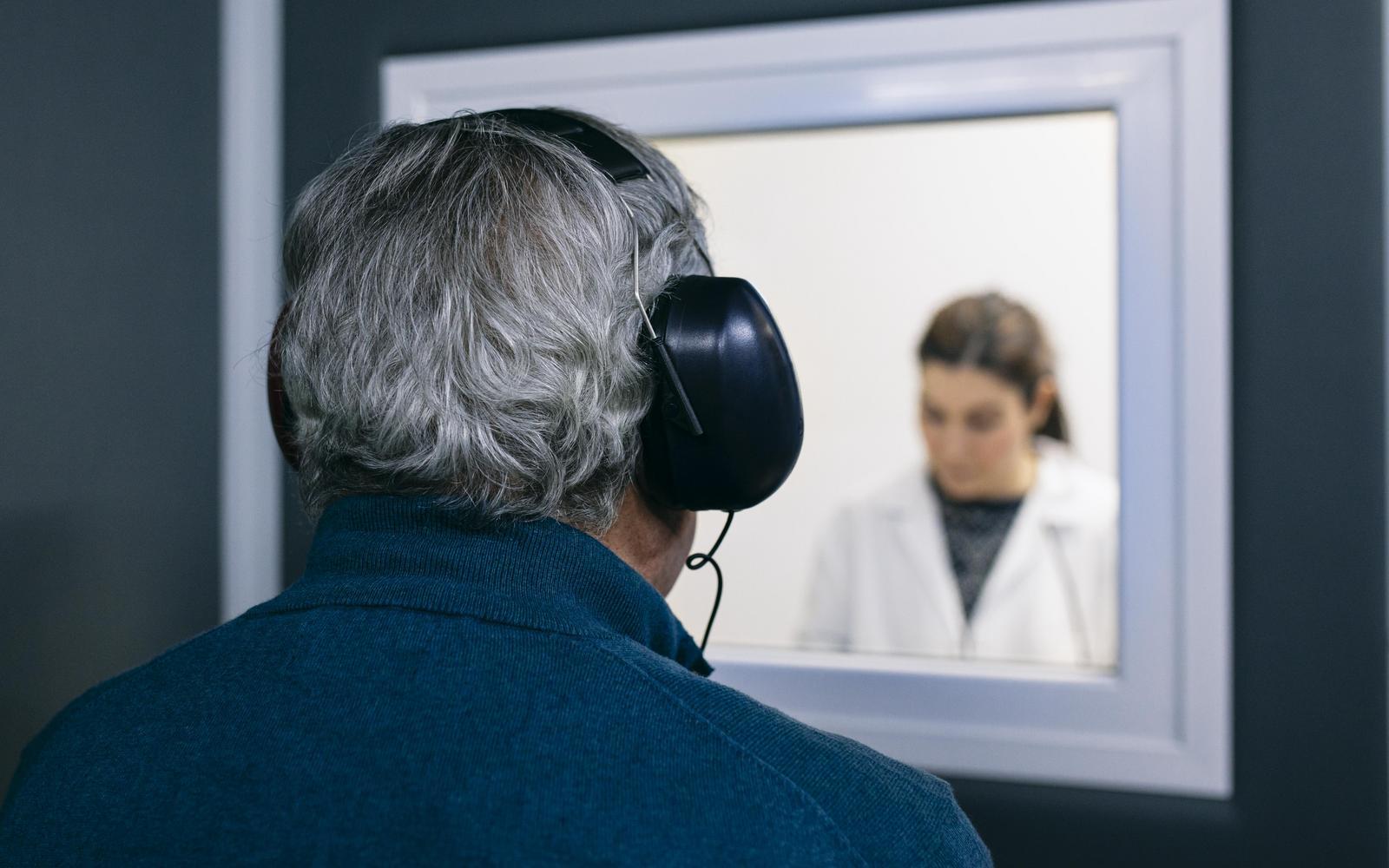
- Pure Tone Audiometry: This standard hearing test measures an individual’s hearing thresholds across a range of frequencies. It helps determine the presence, type, and degree of hearing loss.
- Speech Audiometry: This test assesses the ability to understand spoken words at various volume levels, providing insights into how hearing loss impacts communication.
- Pitch Matching Tests: Specifically designed for diplacusis, these tests involve presenting pure tones and asking the patient to identify if they hear one or two tones, and to describe any pitch differences. This helps quantify the degree of pitch distortion.
- Tympanometry: This test evaluates the function of the middle ear and eardrum, helping to identify issues like fluid buildup or eardrum perforation.
- Otoacoustic Emissions (OAEs): These tests measure the response of the outer hair cells in the cochlea, providing information about cochlear function.
- Auditory Brainstem Response (ABR): This test measures the electrical activity in the auditory nerve and brainstem in response to sound, useful for assessing nerve pathway integrity.
In cases where neurological involvement is suspected, or if symptoms are sudden and severe, an ENT specialist may recommend further investigations, such as MRI or CT scans of the head and ears, to visualize the auditory structures and rule out tumors or other abnormalities.
The Duration of Diplacusis: A Variable Timeline
The persistence of diplacusis is intrinsically linked to its underlying cause. There is no single prognosis, as the condition can be transient or long-lasting.
- Temporary Diplacusis: If the cause is a temporary obstruction or condition, such as earwax buildup, a mild ear infection, or sinus congestion, diplacusis symptoms may resolve relatively quickly once the underlying issue is addressed. For instance, professional earwax removal can often alleviate double hearing caused by impaction. Similarly, successful treatment of an ear infection can restore normal sound perception.
- Persistent or Permanent Diplacusis: In cases where diplacusis is associated with permanent hearing loss, such as sensorineural hearing loss resulting from aging, noise damage, or certain medical conditions, the double hearing may persist. While a complete "cure" might not always be achievable, effective management strategies can significantly improve quality of life and listening comfort.
Sudden onset of diplacusis, especially when accompanied by hearing loss or dizziness, necessitates immediate medical attention, as it could indicate a more serious underlying condition requiring prompt intervention.
Treatment and Management: Tailoring Solutions to the Cause
The approach to treating or managing diplacusis is highly individualized, focusing on addressing the root cause.
Treatment for Temporary Causes:

- Earwax Removal: Safe and professional removal of impacted earwax by a healthcare provider is often the first step if earwax is identified as the culprit. It is crucial to avoid DIY methods like ear candling or using cotton swabs, which can push wax deeper or cause injury.
- Medical Treatment for Infections and Inflammation: Antibiotics for bacterial infections, decongestants for congestion, or other medications to manage inflammation will be prescribed by a doctor.
- Medication Review: If ototoxic medications are suspected, a physician may consider adjusting dosages or switching to alternative treatments, if medically feasible.
Management When Hearing Loss is Involved:
When diplacusis is linked to hearing loss, the management strategies aim to improve overall auditory function and minimize the disruptive effects of double hearing.
- Hearing Aids: For individuals with hearing loss, hearing aids can amplify sounds, making them clearer and more accessible. While hearing aids do not directly "cure" diplacusis, they can compensate for the hearing loss component, potentially reducing the prominence of the double hearing effect by providing a more balanced auditory input. For diplacusis dysharmonica, some advanced hearing aids offer features that can help equalize perceived pitch differences between ears, though this is not always a perfect solution.
- Auditory Training and Sound Therapy: These rehabilitation programs involve exercises and strategies designed to help the brain better process and interpret auditory signals. They can improve listening skills, speech understanding in noise, and the ability to filter out unwanted sounds.
- Tinnitus Management: Diplacusis can sometimes co-occur with tinnitus. If both are present, managing tinnitus through various therapies (e.g., sound therapy, cognitive behavioral therapy) can contribute to overall auditory comfort.
- Hearing Protection: For individuals whose diplacusis is related to noise exposure, strict adherence to hearing protection in noisy environments is crucial to prevent further damage and worsening of symptoms.
When Hearing Technology May Be Part of the Conversation:
In cases of severe or profound hearing loss, or single-sided deafness, more advanced hearing technologies may be considered:
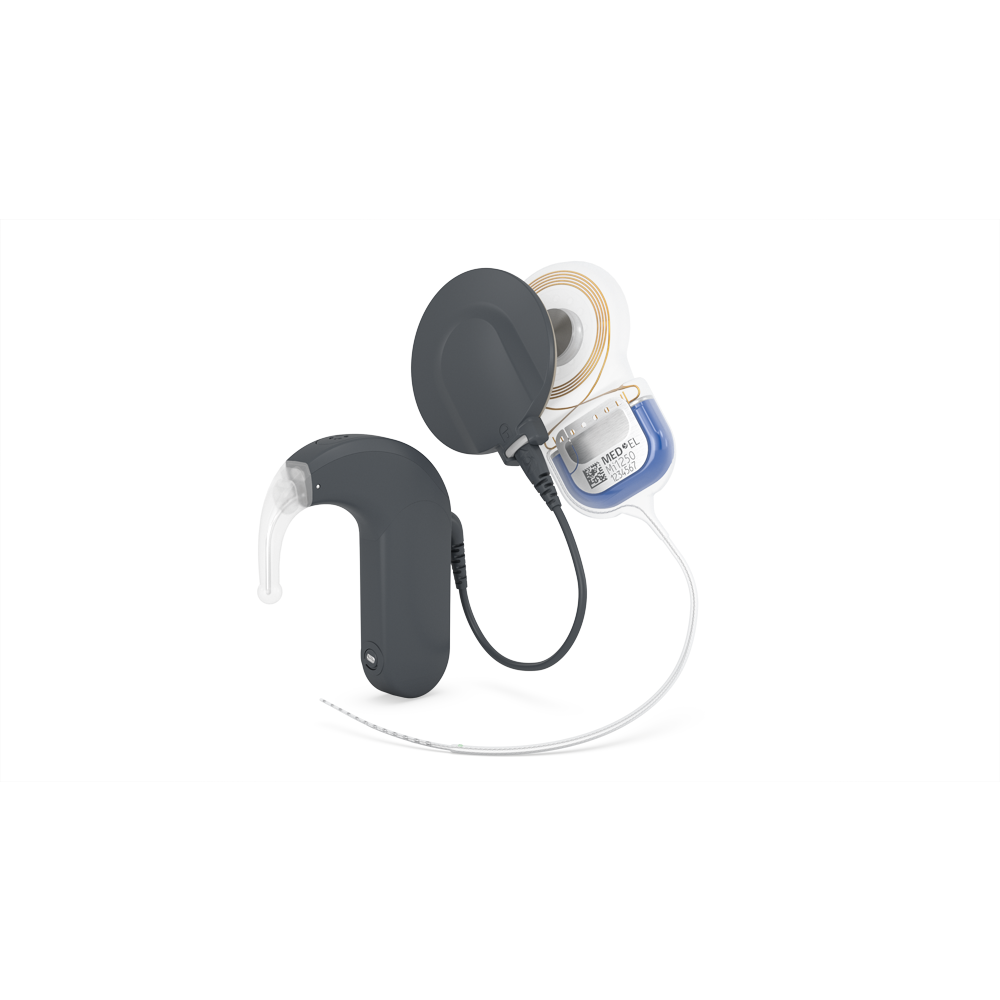
- Cochlear Implants: For individuals with severe-to-profound sensorineural hearing loss, cochlear implants are a potential option. These devices bypass damaged parts of the inner ear and directly stimulate the auditory nerve, bypassing the cochlea’s processing issues that can lead to diplacusis. They can significantly improve hearing and speech understanding.
- Bone Conduction Devices: For certain types of hearing loss, particularly conductive or mixed hearing loss, bone conduction devices can be beneficial by transmitting sound vibrations through the skull to the inner ear.
It is crucial to emphasize that hearing devices are not a universal cure for diplacusis. Their effectiveness depends on the specific type of diplacusis, the underlying cause, and the individual’s auditory system. A thorough assessment by an audiologist or ENT specialist is essential to determine the most appropriate course of action.
When to Seek Urgent Medical Help
While not all instances of diplacusis are emergencies, certain accompanying symptoms warrant immediate medical attention. These include:
- Sudden Hearing Loss: Especially if it occurs in one ear.
- Severe Dizziness or Vertigo: Particularly if it is sudden or incapacitating.
- Neurological Symptoms: Such as facial weakness, numbness, severe headache, or vision disturbances.
- Ear Pain, Drainage, or Fever: Indicating a potential infection.
- Sudden Onset of Diplacusis with Tinnitus: Especially if the tinnitus is loud or bothersome.
These symptoms could signal a serious condition like a stroke, a sudden inner ear event, or meningitis, requiring prompt diagnosis and treatment to prevent permanent damage.
Key Takeaways for Patients and Healthcare Providers
Diplacusis, or double hearing, is a complex auditory symptom that demands careful attention. Key takeaways include:

- Diplacusis is a symptom, not a diagnosis: Identifying the underlying cause is paramount for effective management.
- Varied presentations: Diplacusis can manifest as pitch mismatches (dysharmonica), echoes (echoica), or unilateral distortions.
- Numerous causes: From simple earwax to inner ear disorders and sudden hearing loss, the etiology is diverse.
- Prompt evaluation is crucial: Sudden onset, unilateral symptoms, or accompanying dizziness warrant urgent medical assessment.
- Diagnosis involves comprehensive testing: Audiological assessments and medical evaluations are essential.
- Treatment is cause-dependent: Management ranges from simple earwax removal to advanced hearing technologies.
- Early intervention improves outcomes: Especially for conditions like sudden hearing loss.
By understanding the nuances of diplacusis, individuals experiencing these unsettling auditory distortions can seek appropriate help, and healthcare professionals can provide more targeted and effective care, ultimately aiming to restore clarity and comfort to the listening experience.
About the Author
Dr. Yi Ge, Senior Manager of Medical Affairs at MED-EL Innsbruck, brings extensive expertise as a certified otolaryngologist. Her tenure at MED-EL since 2003 has spanned critical roles in clinical, regulatory, and medical affairs. Dr. Ge’s work is dedicated to assessing medical processes for product development and risk management, leveraging her profound knowledge of hearing implant systems and global regulatory landscapes to drive patient-centered innovation in hearing healthcare.