The Evolution of Core Vocabulary Instruction
The initiative to provide organized, monthly resources for these words originated from a recognized gap in clinical and educational settings. While practitioners understood the importance of core vocabulary, the labor-intensive nature of creating high-quality, age-appropriate lesson plans often acted as a barrier to consistent implementation. The Year of Core Vocabulary Words and its subsequent iterations were designed to bridge this gap by offering a library of curated materials that scale from preschool environments through high school curricula.
Chronology of the Resource Development
The trajectory of these resources reflects a decade-long commitment to collaborative curriculum development in the AAC field. The initiative began with the launch of the original Year of Core Vocabulary Words, a foundational series that introduced basic sets of core words for each month of the calendar year. This initial effort established the baseline for what would become a massive, community-driven resource repository.

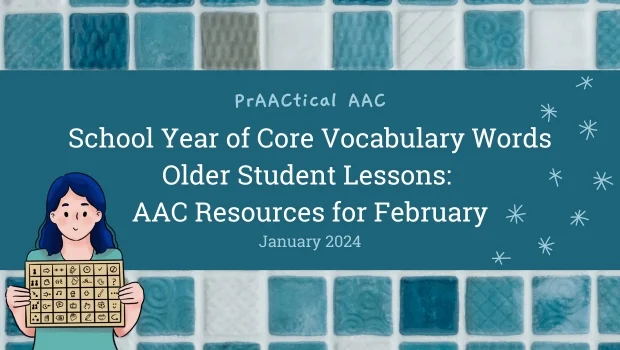
Following the success of the first set, the Another Year of Core Vocabulary project was introduced to broaden the scope of vocabulary exposure, ensuring that learners had access to a wider range of functional language. A significant turning point occurred in 2020 with the launch of the School Year of Core Vocabulary Words. This series, authored by a specialized team comprising Michaela Sullivan, Alisa Lego, and Beth Lytle, moved beyond simple lists to provide comprehensive pedagogical support tailored to the classroom environment.
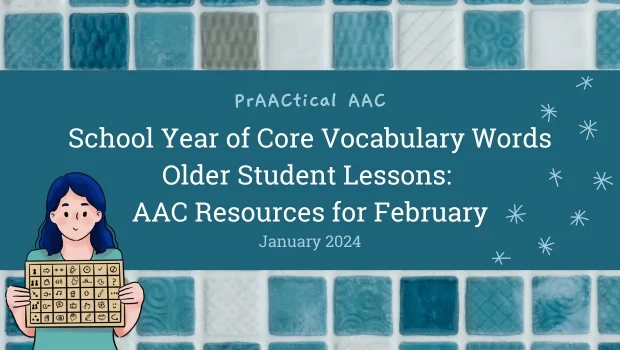
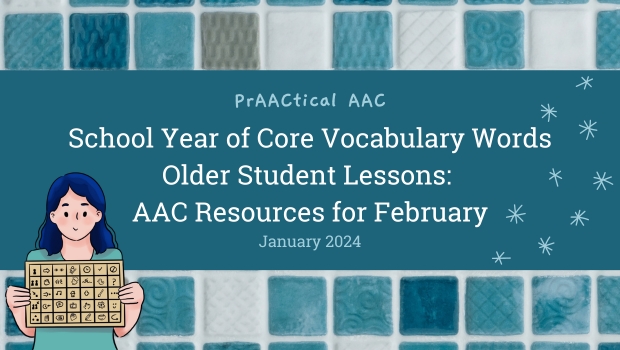
By 2023, the focus shifted to address the often-overlooked needs of older students. The introduction of the Older Student Lessons series, spearheaded by Michaela Sullivan and Lindsay Dougherty, marked a pivot toward age-respectful content. This transition recognized that while the functional value of core vocabulary remains constant, the delivery method must evolve to meet the cognitive and social requirements of adolescents and young adults.
Data-Driven Pedagogical Impact
The reliance on core vocabulary as a primary instructional tool is supported by a growing body of linguistic research. Studies in speech-language pathology consistently indicate that learners who have access to core vocabulary systems demonstrate greater communicative autonomy compared to those limited to rigid, activity-specific boards.
According to data compiled by AAC practitioners, the consistent implementation of core vocabulary instruction leads to:
- Increased Utterance Length: Learners show a statistically significant improvement in the number of words used per communication turn.
- Greater Communicative Diversity: The ability to combine core words allows users to express intent beyond simple labeling, moving into functions such as commenting, requesting, protesting, and describing.
- Reduced Frustration: By providing a reliable method for expressing basic needs and abstract thoughts, users often experience a measurable decrease in communication-related behavioral outbursts.
The resources now available for February are not merely supplemental; they are designed to function as an integrated curriculum. By utilizing the activity calendars, communication boards, and lesson plans developed by contributors like Rachael Langley, educators can ensure that they are meeting specific IEP (Individualized Education Program) goals while fostering a language-rich environment.
Expert Perspectives and Community Collaboration
The collaborative nature of these resources is a hallmark of the AAC community’s approach to accessibility. The involvement of experts such as Rachael Langley, who co-founded Talking AAC, underscores the importance of peer-to-peer knowledge sharing. By centralizing these resources on platforms like PrAACtically AAC, the community ensures that high-quality, evidence-based tools are available to anyone with an internet connection, regardless of their geographic location or institutional resources.
From an administrative standpoint, the availability of these pre-packaged resources represents a significant efficiency gain. In school districts where SLPs may manage caseloads of 50 or more students, the time required to develop bespoke materials for every individual is often prohibitive. The February resources offer a "plug-and-play" solution that allows for immediate application of evidence-based practices without the overhead of original content creation.
Broader Implications for AAC Implementation
The implications of sustained, year-round core vocabulary instruction extend far beyond the classroom. For individuals with complex communication needs, the consistent use of core words is linked to long-term social integration and vocational success. By moving the focus from "teaching words" to "modeling language," these resources shift the responsibility of communication from the user alone to the communicative partners (teachers, parents, and peers) who model the language in naturalistic settings.
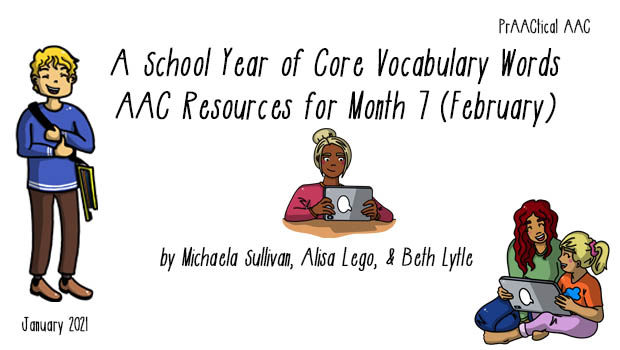
The School Year of Core Vocabulary specifically addresses the need for longitudinal growth. By systematically rotating vocabulary sets, educators can ensure that learners are not stuck at a plateau. Instead, the curriculum facilitates a spiraling approach, where words are introduced, practiced, and eventually integrated into increasingly complex sentence structures.
Practical Application for Educators and Families
As practitioners transition into the February curriculum, the emphasis is placed on consistency. The recommended resources for this month include:
- Foundational Sets: The original Set 1 and Set 2 lists, which provide the base for early communicators. These include high-frequency verbs and prepositions that serve as the building blocks for early sentence construction.
- School-Aged Materials: The School Year of Core Vocabulary resources, which provide structured activities designed to be completed within the constraints of a school day, incorporating both group and individual instruction models.
- Adolescent-Centered Modules: The Older Student Lessons, which offer a more sophisticated approach, utilizing themes and scenarios relevant to the social lives and academic demands of teenagers.
By providing these materials in an accessible digital format—including printable PDFs and digital board templates—the initiative lowers the barrier to entry for educators who may be new to AAC intervention.
Conclusion and Future Outlook
The release of the February resources serves as a reminder of the ongoing necessity of professional development in the field of assistive technology. As the landscape of AAC continues to change—influenced by new hardware, improved software interfaces, and evolving linguistic theories—the core principles of vocabulary instruction remain a constant.
The continued efforts of contributors such as Carole Zangari, Michaela Sullivan, and others ensure that the AAC community remains equipped with the tools necessary to advocate for and facilitate communication. As we look ahead, the challenge for the field remains the scaling of these resources to reach underserved populations, ensuring that the benefits of core vocabulary instruction are available to all, regardless of the availability of specialized support staff.
For families and educators currently utilizing these materials, the recommendation remains to focus on the modeling process. Communication is a social act; by consistently modeling the use of core words in meaningful, everyday interactions, the facilitator provides the learner with the roadmap necessary for independent expression. The February curriculum is a vital component of that journey, providing the structured support required to turn abstract linguistic goals into tangible communicative outcomes.