
Understanding the Cochlear Implant Landscape
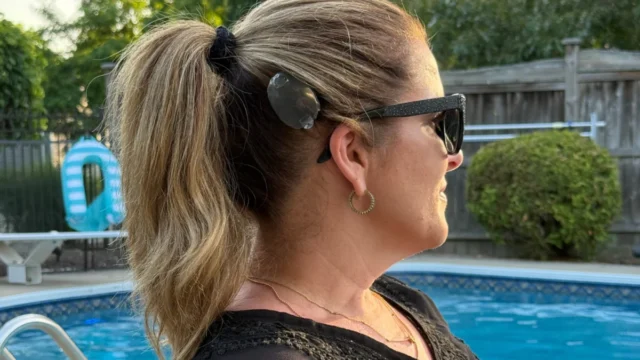
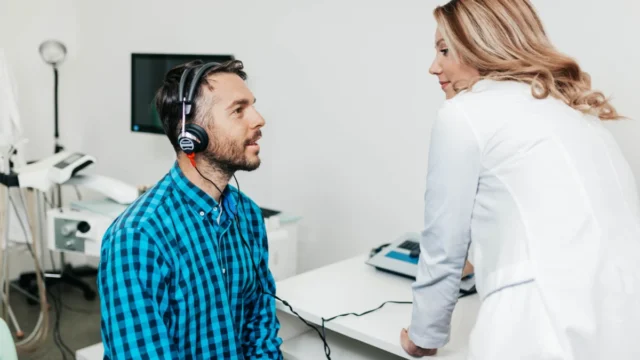
Cochlear implants are sophisticated electronic devices designed to provide a sense of sound to individuals with severe to profound sensorineural hearing loss. Unlike conventional hearing aids that amplify sound, cochlear implants bypass damaged parts of the ear and directly stimulate the auditory nerve, allowing the brain to interpret these signals as sound. The decision to pursue cochlear implantation is typically made after extensive audiological evaluation and consideration of various factors, including the degree and type of hearing loss, the individual’s motivation, and their support system. The process involves a surgical implantation of internal components and the subsequent use of an external sound processor. Rehabilitation, including auditory training and speech therapy, plays a vital role in maximizing the benefits of the implant.
The Purpose and Design of the Expectations Questionnaire
The "expectations questionnaire" serves as a critical pre-implantation tool, prompting individuals and their families to articulate their hopes and aspirations for life with a cochlear implant. It encourages a deep dive into how they envision the implant impacting their daily lives, from simple auditory perception to complex communication scenarios. Crucially, it also prompts consideration of the various factors that can influence the success of the implantation and the subsequent rehabilitation process. By engaging with these questions, individuals can gain a more precise understanding of what progress might look like and, importantly, identify proactive steps they can take to optimize their hearing potential.
The questionnaire, comprising 16 carefully crafted items, is designed to elicit honest and thoughtful responses. Each statement presents a common expectation or a potential reality associated with cochlear implantation. Following the completion of the questionnaire, users are encouraged to review explanations that correlate their responses with established knowledge about the cochlear implant process. This comparative analysis is intended to bridge any gaps between perceived outcomes and the realistic progression of auditory rehabilitation.
Deconstructing the Questionnaire: Key Expectations and Realities
The 16-item questionnaire delves into various facets of the cochlear implant experience, addressing practical considerations, auditory capabilities, communication skills, and the emotional and social impact. Let’s examine some of the key areas covered:
1. Device Usage: The expectation that "I will need to wear the external device all waking hours" addresses the commitment required for consistent auditory input. While many users strive for near-continuous wear to maximize auditory exposure, the actual duration can vary based on individual comfort, activity levels, and specific recommendations from their audiology team.
2. Adjustment Period: Acknowledging that "I will take some time adjusting to listening with my cochlear implant" is fundamental. The brain needs time to adapt to new auditory signals. This period can range from weeks to months, and patience and consistent use are key. Early stages might involve perceiving sounds as robotic or unfamiliar, but with time and therapy, these perceptions often refine into more naturalistic sound experiences.
3. The Importance of Listening Training: The statement "I will need to participate in listening training" highlights a non-negotiable component of successful cochlear implantation. Auditory rehabilitation, often involving speech-language pathologists and audiologists, is crucial for developing the skills to interpret and understand spoken language. This training typically includes exercises focused on sound discrimination, speech recognition in quiet and noisy environments, and understanding complex auditory cues.
4. The Role of Support Systems: "I will need support from others at home to develop listening" underscores the vital role of family and caregivers. A supportive home environment can facilitate practice, provide encouragement, and help integrate listening skills into daily routines. Family members can be instrumental in reinforcing therapy goals and creating opportunities for real-world listening practice.
5. Perceiving Quiet Sounds: The expectation "I will hear quiet sounds" speaks to the potential for enhanced auditory awareness. Cochlear implants can significantly improve the detection of softer sounds, which can range from environmental cues like a ticking clock to the subtle nuances in speech. However, the ability to hear very faint sounds may vary based on individual factors and the specific implant system.
6. Sound Localization: "I will be able to locate where sounds come from" addresses a crucial aspect of spatial hearing. While cochlear implants can improve sound localization, particularly with bilateral implantation (implants in both ears), it may not always reach the same level of precision as individuals with typical hearing. Understanding the direction of sound is important for safety and environmental awareness.
7. Achieving Typical Hearing: The statement "I will hear like others who have typical hearing" often represents a common, yet sometimes unrealistic, aspiration. It is important for individuals to understand that while cochlear implants can dramatically improve hearing and communication, the experience of sound perception is unique to each individual and may differ from that of someone with natural, typical hearing. The goal is often functional hearing that enables meaningful communication and engagement with the world.
8. Understanding Without Lipreading: "I will understand what people say without having to lipread" touches upon the goal of unaided auditory comprehension. For many recipients, cochlear implants significantly reduce the reliance on lipreading, allowing for more naturalistic conversations. However, the degree to which lipreading can be dispensed with varies greatly and is often influenced by factors such as the duration of pre-implantation hearing loss, the quality of auditory rehabilitation, and the listening environment.
9. Reduced Need for Repetition: The expectation "I will be able to understand what people say without needing repetition" is a significant indicator of successful auditory processing. As the brain adapts and listening skills develop, the need for frequent requests for repetition should diminish, leading to more fluid and less fatiguing communication.
10. Hearing in Background Noise: "I will understand people when there is background noise" addresses a particularly challenging aspect of auditory processing for many individuals with hearing loss. Modern cochlear implant technology, with advanced sound processing strategies, has made significant strides in improving speech understanding in noisy environments. However, this remains an area where individuals may experience varying degrees of success and continued effort in rehabilitation.
11. Group Conversations: "I will follow a conversation with a group of people" highlights the ability to navigate complex social listening situations. Engaging in group conversations can be demanding. While cochlear implants can facilitate this, strategies such as seating arrangements, attentive listening, and clear communication from speakers remain important.
12. and 13. Speech and Language Improvement: For individuals whose hearing loss has impacted their speech and language development, the questionnaire addresses the potential for improvement: "I will be able to improve my speech skills if they are currently a concern" and "I will be able to improve my language skills if currently are a concern." Cochlear implantation can provide the auditory input necessary for refining speech clarity and expanding language abilities, particularly when initiated at an appropriate age or with dedicated rehabilitation.
14. Enjoying Music: The statement "I will enjoy music" acknowledges the aesthetic and emotional benefits of sound. While cochlear implants enable many recipients to perceive and enjoy music, the experience can differ from that of individuals with typical hearing. The ability to appreciate musical nuances like pitch, rhythm, and timbre is often a journey that develops with time and practice.
15. Telephone Use: "I will be able to use the telephone" addresses a practical communication goal. With successful implantation and rehabilitation, many recipients find they can use the telephone effectively, although this may require specific strategies or assistive listening devices in some cases.
16. Bilateral Hearing: The final statement, "I will continue to wear a hearing device in the other ear, if available," addresses the consideration of bilateral cochlear implantation or a cochlear implant in one ear and a hearing aid in the other. This approach can offer significant advantages in sound localization, speech understanding in noise, and overall auditory awareness.
Supporting Data and the Cochlear Implant Journey
Research consistently demonstrates the significant benefits of cochlear implantation. Studies published in journals such as the Journal of the American Medical Association (JAMA) Otolaryngology–Head and Neck Surgery and Ear and Hearing have shown that cochlear implant recipients often experience substantial improvements in speech understanding, communication abilities, and overall quality of life. For instance, a meta-analysis of studies on adult cochlear implant recipients found that over 80% reported improved speech understanding in quiet environments, and a substantial portion also reported benefits in understanding speech in noise.
The timeline for these improvements is not instantaneous. Initial activation of the cochlear implant is followed by a period of "mapping" or programming, where the audiologist fine-tunes the device’s settings. This is typically followed by a comprehensive rehabilitation program that can span months or even years. Early gains are often in sound awareness and basic speech recognition, with more complex listening skills developing over time. Factors influencing the speed and extent of progress include the duration of profound hearing loss prior to implantation, the age of the recipient (children often show faster development), the presence of other medical conditions, and the commitment to therapy and device use.
Official Responses and Broader Implications
The development and dissemination of tools like the expectations questionnaire are often driven by leading audiology centers, cochlear implant manufacturers, and professional organizations dedicated to hearing health. Medical professionals involved in cochlear implant candidacy evaluation and rehabilitation widely endorse such proactive approaches to expectation management. Dr. Anya Sharma, a leading audiologist at the National Institute for Hearing Research, commented, "Empowering patients with realistic expectations is a cornerstone of successful cochlear implant outcomes. This questionnaire provides a structured framework for dialogue between patients, families, and the clinical team, fostering a shared understanding and a collaborative approach to rehabilitation."
The broader implications of a well-managed cochlear implant journey extend beyond individual hearing. Improved communication can lead to enhanced social engagement, greater educational and vocational opportunities, and a reduced risk of social isolation and cognitive decline associated with untreated hearing loss. For children, early implantation and effective rehabilitation are critical for language acquisition and cognitive development, laying the foundation for lifelong learning and participation.
The information presented in the questionnaire and its accompanying explanations serves as a vital educational resource. It underscores that cochlear implantation is not a "magic bullet" but rather a powerful tool that, when combined with dedicated rehabilitation and a realistic understanding of its capabilities and limitations, can profoundly restore the sense of hearing and open up a world of auditory possibilities. The proactive engagement encouraged by such questionnaires is a testament to the evolving, patient-centered approach in audiology and hearing rehabilitation, aiming to ensure that each individual’s journey with a cochlear implant is as informed, successful, and fulfilling as possible.