The Critical Timeline of Intervention
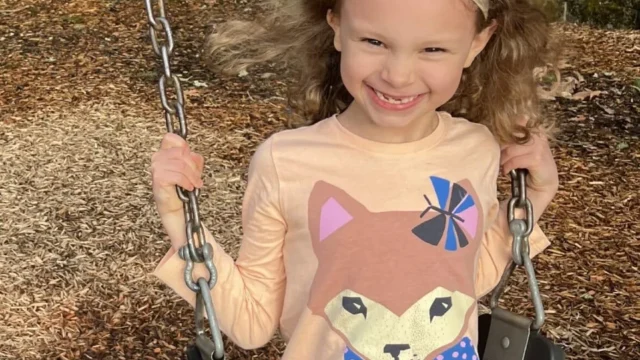
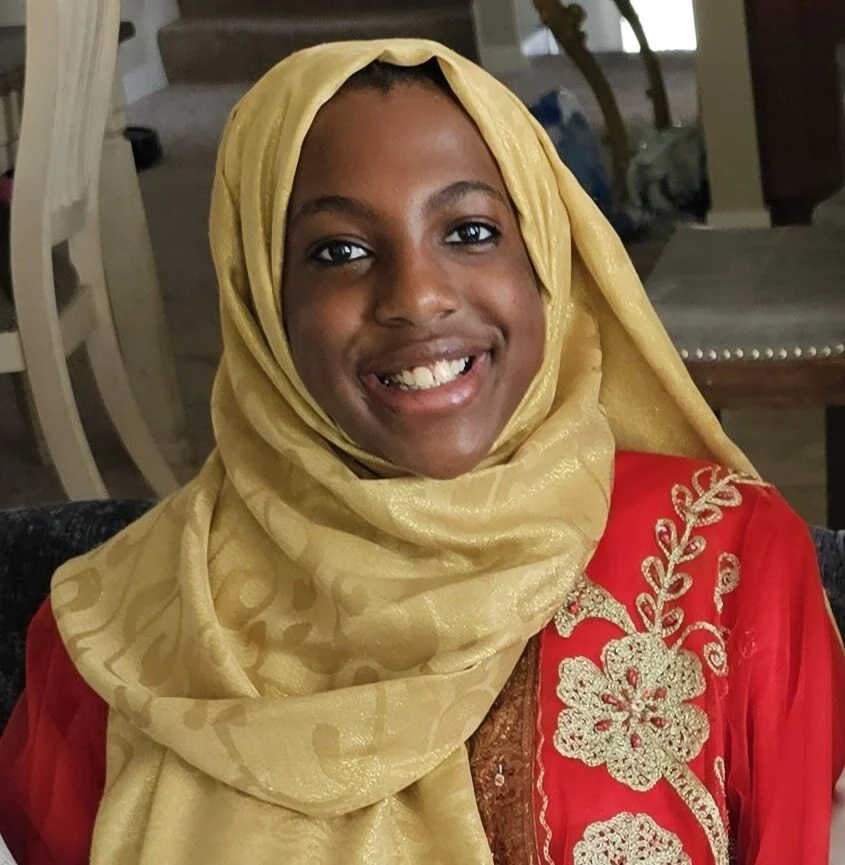
Amalia’s clinical journey began almost immediately after birth. When diagnostic testing confirmed sensorineural hearing loss, her family made the proactive decision to pursue cochlear implants. By the age of 10 months, Amalia underwent the procedure, providing her with the necessary auditory technology to access sound. However, technology alone is rarely sufficient; it must be paired with intensive auditory-verbal therapy and an educational environment that encourages the development of oral communication.
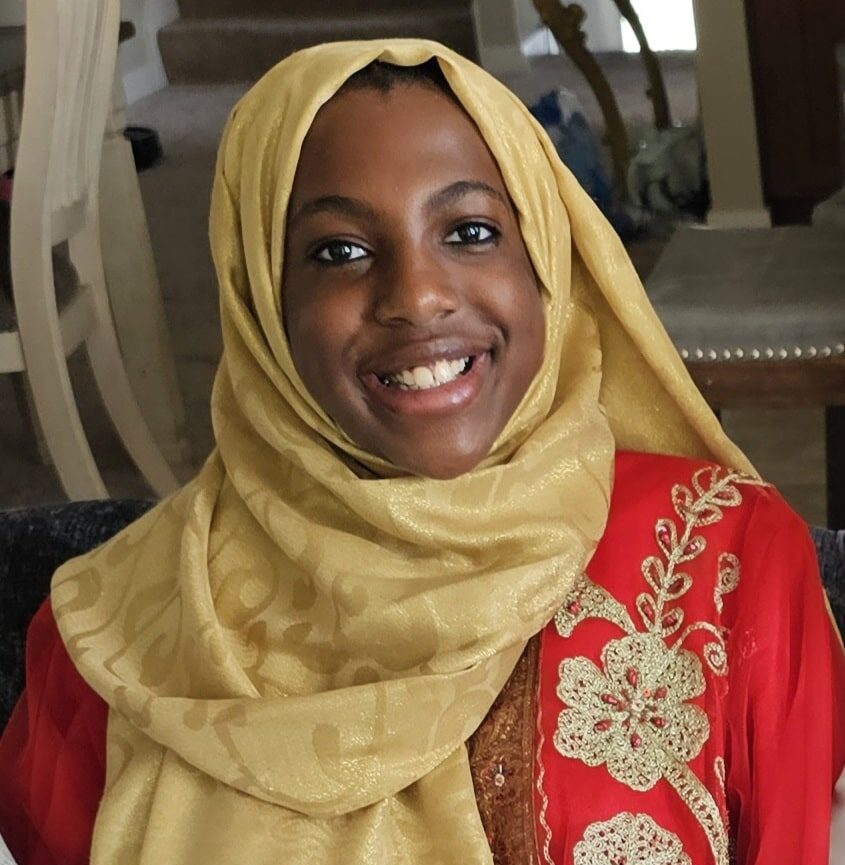
Listen and Talk, a specialized organization, became the cornerstone of this process. Amalia was enrolled in their "Birth to Three" program, followed by their "Blended Classroom" initiative. This structured approach allowed her to receive high-quality therapeutic support during the most foundational years of language acquisition. By integrating her into a learning environment that emphasized both structured therapy and peer-to-peer socialization, the program enabled Amalia to bridge the gap between hearing impairment and age-appropriate linguistic development.
The Science of Early Auditory Intervention
The success of students like Amalia is supported by extensive research in the field of audiology and speech-language pathology. According to the Joint Committee on Infant Hearing (JCIH), the goal of universal newborn hearing screening is to identify hearing loss by one month of age, diagnose the condition by three months, and initiate intervention by six months. This 1-3-6 benchmark is widely considered the gold standard for ensuring that children with hearing loss can develop language skills on par with their hearing peers.
The LSL approach, which focuses on teaching children to listen and speak through the use of assistive technology like cochlear implants or hearing aids, relies heavily on consistent, expert guidance. Data from the Alexander Graham Bell Association for the Deaf and Hard of Hearing indicates that children who receive early intervention and consistent, high-quality therapy are significantly more likely to succeed in general education classrooms, pursue higher education, and participate in mainstream career paths. Amalia’s trajectory confirms these findings, as her transition into a general education classroom was not merely a survival exercise, but an environment where she has demonstrably thrived.

Beyond the Classroom: Social and Physical Integration
While academic achievement is a primary metric of success, the holistic development of a child is equally vital. The provided narrative of Amalia’s life emphasizes that her growth extended well beyond the academic setting. Her involvement in extracurricular activities, including swimming, track and field, and basketball, underscores the success of her social integration.
For children with cochlear implants, participation in high-contact or water-based sports can present unique challenges regarding equipment management and auditory access. Amalia’s ability to participate in these sports at a competitive level suggests a high degree of confidence and a mastery of her personal assistive technology. This level of extracurricular engagement is often a marker of successful social-emotional development, indicating that the child views themselves as an active participant in their community, rather than as an individual defined by their disability.
Analyzing the Impact of Specialized Support Systems
The broader implications of success stories like Amalia’s relate to the socioeconomic and societal benefits of early intervention programs. Organizations like Listen and Talk provide a specialized curriculum that mainstream public school systems are often ill-equipped to handle, particularly in the critical early years. By focusing on speech, language, and auditory processing simultaneously, these programs reduce the long-term reliance on special education services, thereby increasing the likelihood of independent living and professional success in adulthood.
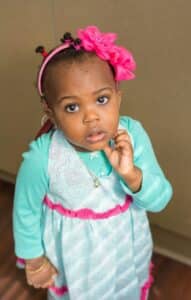
From a public policy perspective, the cost-benefit analysis of early intervention is overwhelmingly positive. Early investment in speech and language therapy leads to lower lifetime costs associated with educational accommodations and vocational support. Moreover, the psychological impact on families—who are often thrust into a complex medical and educational system following a diagnosis—cannot be overstated. By providing the tools and encouragement needed for parents to advocate for their children, organizations like Listen and Talk create a sustainable ecosystem of support that fosters resilience and long-term achievement.
The Role of Alumni Giving and Sustainable Support
The sustainability of such impactful programs depends heavily on community engagement and the philanthropic support of alumni families. As organizations like Listen and Talk continue to evolve, they face the ongoing challenge of maintaining high-quality, individualized services in an era of rising educational costs. The Alumni Family Giving Campaign serves as a vital financial pillar, allowing the organization to reinvest in their facilities, teacher training, and the expansion of their "Birth to Three" programs.
For families who have benefited from these services, participating in such campaigns is a way to ensure that the same opportunities remain available for the next generation. It is a cyclical process of investment: the support provided to Amalia yesterday facilitates the resources available to the child diagnosed today. This community-based model of giving underscores a commitment to the organization’s vision: that no child should be limited by hearing loss.

Looking Toward the Future
As Amalia Faraji continues her journey, her story serves as an encouraging beacon for parents of newly diagnosed children. It is a reminder that while a diagnosis of hearing loss is a significant life event, it is not a boundary to potential. Through the combination of early technological intervention, dedicated therapy, and an inclusive educational environment, children are capable of breaking through the traditional limitations once associated with sensory impairment.
The evidence is clear: the integration of medical, educational, and social support systems during the formative years is the single most important factor in determining the long-term outcomes for children with hearing loss. As research continues to refine the technology behind cochlear implants and the methodologies behind LSL therapy, the definition of what is possible for these children will continue to expand. Amalia’s story is not just a reflection of her own hard work and the support of her family; it is a validation of a model that prioritizes the full integration of children into the hearing world, ensuring they have the confidence and skills to pursue their dreams without limits.
The ongoing success of this model will depend on the continued collaboration between healthcare providers, educators, and the families who advocate for their children. As public awareness grows regarding the efficacy of early intervention, the demand for high-quality, specialized services will likely increase, necessitating further innovation and sustained financial support for institutions like Listen and Talk. Through these collective efforts, the narrative of hearing loss is being rewritten from one of limitation to one of limitless potential.