A Chronology of Early Intervention and Development
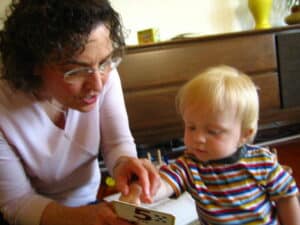
The foundation of Wendorf’s development was laid during his infancy. Recognizing the significance of the "critical period" for language acquisition—which typically occurs before the age of five—his family engaged with the Listen and Talk program when he was six months old. This initial intervention was pivotal. By providing auditory-verbal therapy and language-rich environments, the program enabled Wendorf to develop the communication skills necessary to navigate a hearing world.
Wendorf continued his education through the organization’s Blended Classroom PreK program. This model is designed to transition students from specialized instruction into integrated settings, allowing them to hone their social and academic skills alongside hearing peers. This period of his life was marked by direct mentorship from Star Leonard-Fleckman, the founder of Listen and Talk, whose guidance helped solidify the communication strategies Wendorf relies on today.
Clinical Context: Navigating Barakat Syndrome
The path to understanding Wendorf’s condition was not immediate. While his hearing loss was identified in infancy, it was not until he reached the age of 12 that his family received a definitive diagnosis for the underlying cause: Barakat Syndrome, also known as HDR syndrome.
Barakat Syndrome is an exceptionally rare genetic condition characterized by a specific triad of symptoms: Hypoparathyroidism, sensorineural Deafness, and Renal (kidney) disease. It is typically caused by haploinsufficiency of the GATA3 gene, which plays a vital role in the development of the inner ear, parathyroid glands, and kidneys.
The diagnosis provided essential clarity for the Wendorf family, shifting the focus from managing a standalone disability to coordinating comprehensive health oversight. The management of Barakat Syndrome often requires a multidisciplinary medical approach, including endocrinology, nephrology, and audiology. For Wendorf, this diagnosis did not serve as a limitation, but rather as a framework for understanding his biological requirements while continuing to pursue his personal and professional ambitions.
The Intersection of Resilience and Performance
Wendorf’s transition from a student in a specialized program to an independent artist in Los Angeles is defined by a consistent pattern of risk-taking. Throughout his upbringing, he demonstrated a propensity for extracurricular engagement, participating in a wide array of athletic activities. However, his true aptitude emerged within the performing arts.
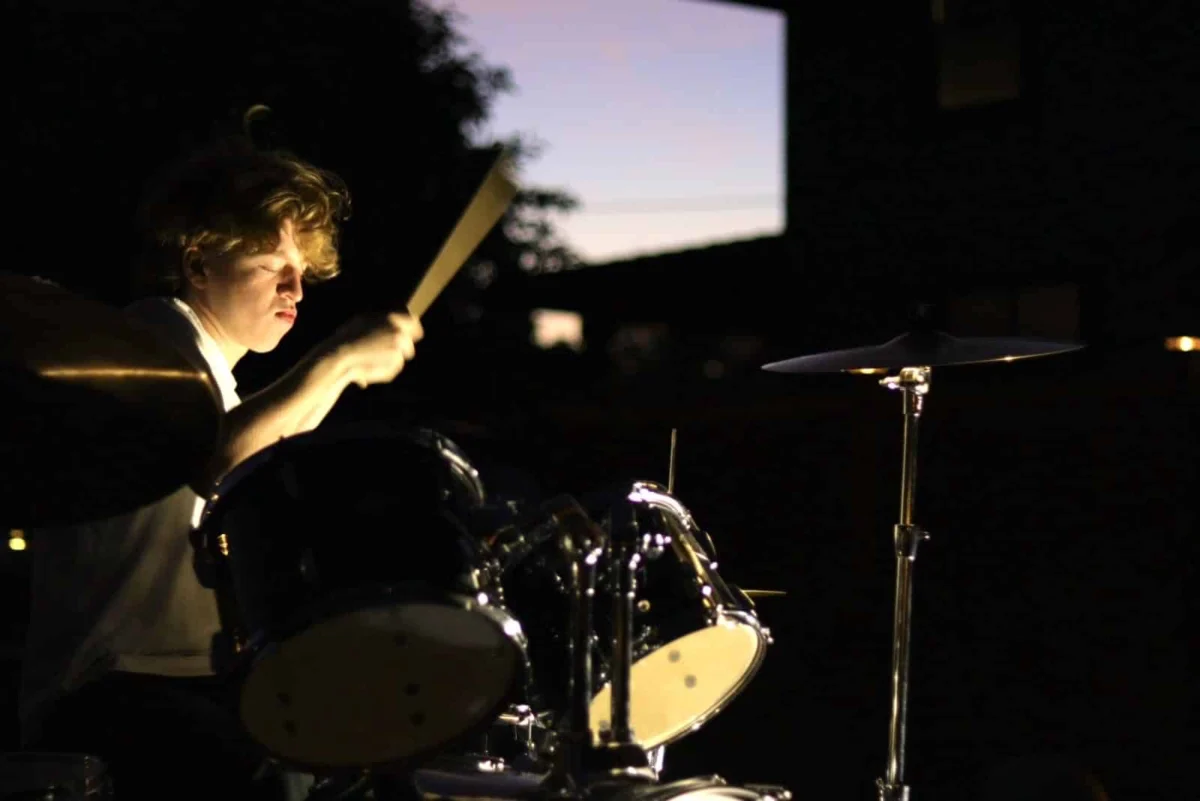
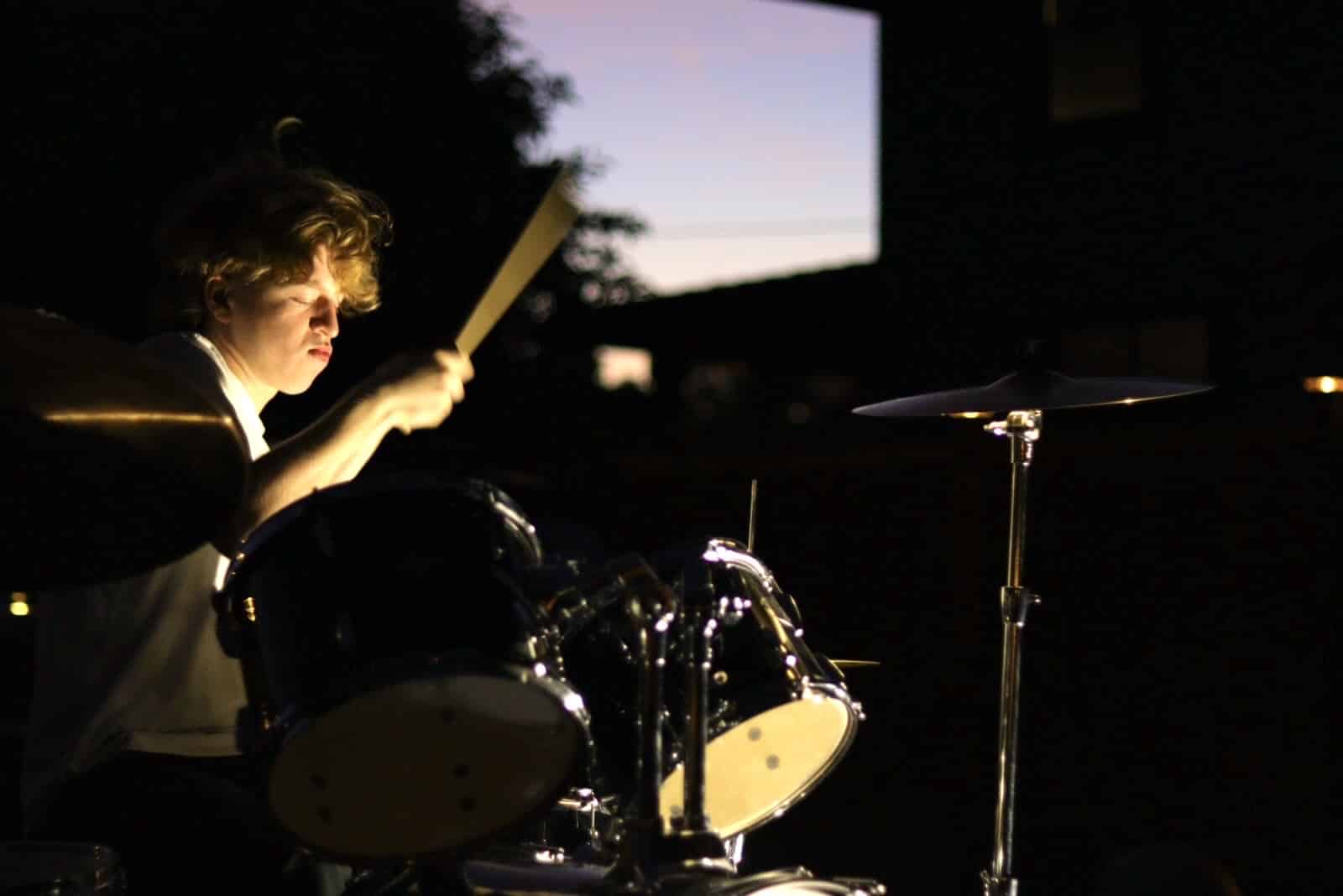
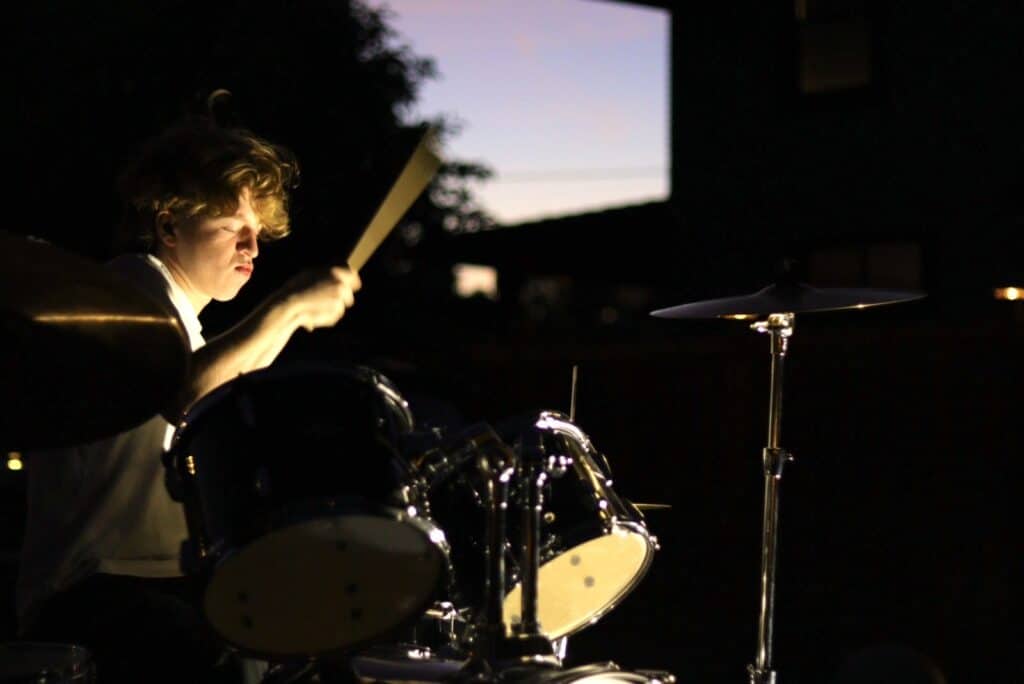
His pursuit of improv and stage acting culminated in securing lead roles in several theatrical productions. Beyond his presence on stage, Wendorf developed self-taught proficiency in both drums and guitar. This artistic versatility is a testament to the efficacy of the communication skills fostered in his youth. The confidence required to perform on stage—a field that relies heavily on auditory cues, timing, and interpersonal synchronization—demonstrates a high level of functional adaptation.
Following his graduation from Renton High School in June 2024, Wendorf relocated to Los Angeles to pursue a professional career in the arts. His experience reflects a common theme among alumni of intensive early intervention programs: the transition from "patient" to "advocate" and "creator."
Data and Impact of Early Intervention
The success of individuals like Wendorf is backed by longitudinal research in the field of audiology and special education. Studies consistently show that children with permanent hearing loss who receive intervention before six months of age demonstrate significantly higher language development scores compared to those identified later.
Listen and Talk operates on the principle that, with proper support, children with hearing loss can attain speech and language skills on par with their hearing peers. The "Blended Classroom" approach utilizes evidence-based practices to ensure that students are not merely surviving in a hearing environment but are actively participating in it. The economic and social implications of such programs are profound; by fostering early independence, these services reduce the long-term reliance on state-funded disability support systems and increase the likelihood of students pursuing higher education and competitive employment.
Perspectives on Advocacy and Self-Reliance
Reflecting on his experiences, Wendorf emphasizes the psychological impact of being part of a community that understands the nuances of living with hearing loss. "Listen and Talk showed me that in a world where it feels like there aren’t many people like me, I am not alone," Wendorf stated. This sense of belonging, coupled with the practical skills learned in his formative years, has been essential to his ability to advocate for himself in the professional world.
His parents have noted that the process of watching him evolve into a self-reliant adult has been a defining experience. They attribute much of his grounded nature to the training he received at Listen and Talk. "Watching him grow into someone who continues to take risks, follow his interests, and create his own opportunities has been one of the great privileges of being his parent," they remarked. "We are forever grateful for the role the program played in developing his sense of self and the skills with which he advocates in a hearing world."
Broader Implications for Future Generations
The model exemplified by the Wendorf family’s experience is currently being sustained through initiatives such as the Alumni Family Giving Campaign. As the landscape of technology for the deaf and hard of hearing continues to evolve—with advancements in cochlear implants, hearing aids, and remote communication tools—the role of human-centered, speech-based educational programs remains vital.
The overarching goal of these organizations remains to ensure that no child is limited by hearing loss. By investing in the intersection of clinical care and creative empowerment, such programs provide the infrastructure for future generations to follow in the footsteps of alumni who have successfully navigated the challenges of their conditions.
As Wendorf continues to pursue his career in the competitive environment of Los Angeles, his story serves as a reminder that the barriers to success are often malleable. Through a combination of early intervention, family support, and personal initiative, the limitations historically associated with sensorineural hearing loss are being redefined. Wendorf’s current efforts in the arts are not only a professional endeavor but a broader statement on the capacity for individuals to thrive in spite of, and perhaps even because of, their unique life experiences.
For organizations like Listen and Talk, Wendorf’s trajectory acts as a metric of success. It validates the long-term investment in early childhood services, proving that the foundation provided in the first few years of life can yield a lifetime of professional and personal achievement. As the organization looks toward the future, the focus remains on sustaining these outcomes, ensuring that the next generation of students has access to the same resources that allowed Kai Wendorf to turn his early diagnosis into a platform for a life in the arts.