The Chronology of Early Intervention
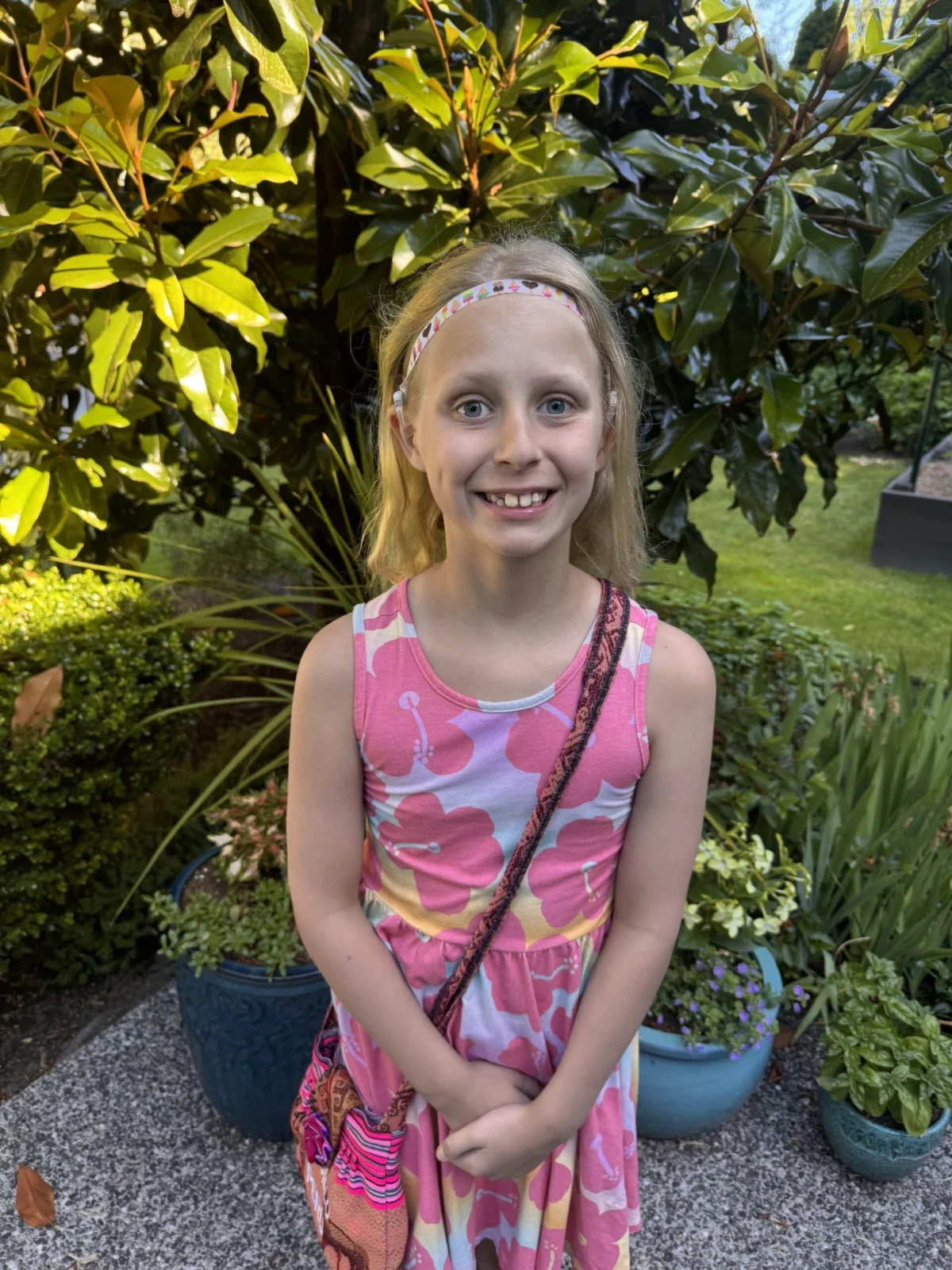
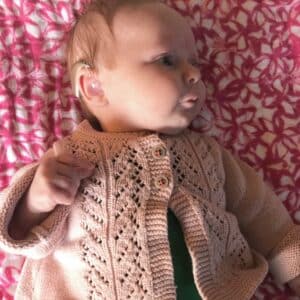
Marna’s clinical trajectory began shortly after birth, a critical window for neurological development. Research consistently indicates that the brain’s plasticity is highest during the first three years of life, making the timing of intervention a primary determinant of long-term linguistic success. Marna received her initial hearing aids at just two months old. By twelve months, she underwent surgery for her first cochlear implant, followed by a second implant at age two.
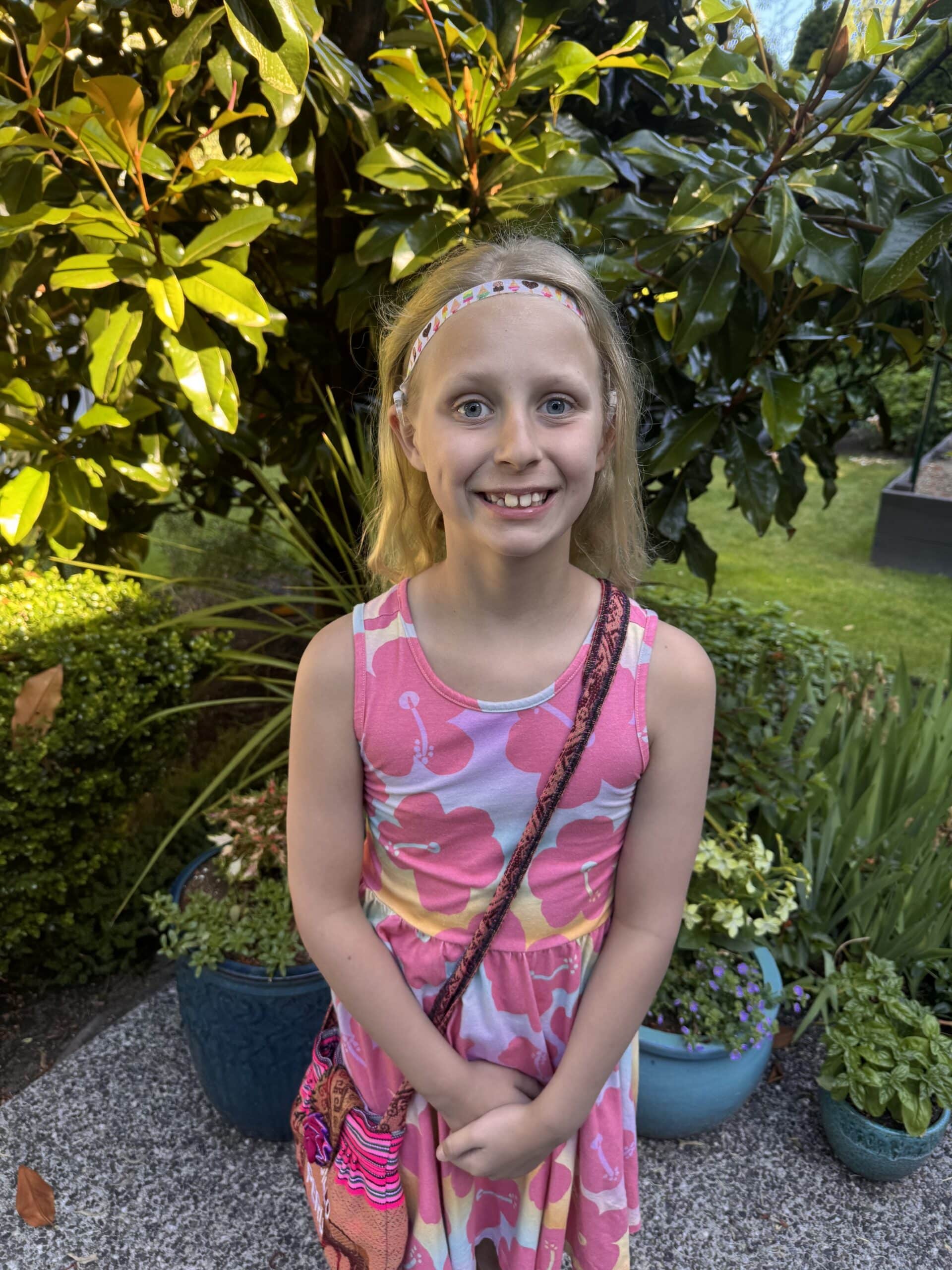
This phased approach to sensory restoration provided Marna with the consistent auditory input necessary for speech and language acquisition. During this period, the Klein family engaged with Listen and Talk’s Birth-to-3 Program. This initiative focuses on parent coaching and home-based therapy, transforming the home environment into a linguistic laboratory. By integrating these strategies into daily routines, the family ensured that Marna’s exposure to language was constant, natural, and developmentally appropriate.
The Role of Specialized Educational Frameworks
Following her early infancy services, Marna transitioned into the Listen and Talk Blended Classroom program, where she spent two years—from age three to five—refining her communication skills. The blended classroom model is designed to facilitate social and academic integration by pairing intensive speech therapy with traditional preschool curricula.
The program offers a unique environment where students with hearing loss interact with both peers who have similar challenges and those with typical hearing. This interaction is crucial for the development of social-emotional intelligence. For Marna, this period was foundational not only for language development but also for the cultivation of self-advocacy. By learning to navigate the challenges of using assistive technology in a classroom setting, she developed the self-esteem necessary to succeed in a mainstream educational environment.
Supporting Data: The Impact of LSL and Cochlear Implants
The efficacy of the model employed by programs like Listen and Talk is supported by a growing body of audiological and educational data. According to the American Cochlear Implant Alliance, children who receive cochlear implants before the age of two typically achieve language scores that are statistically indistinguishable from their hearing peers by the time they reach school age.
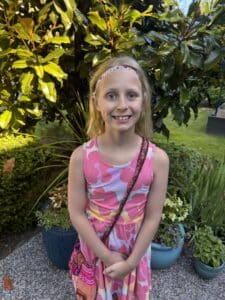
Furthermore, the integration of LSL—a philosophy that emphasizes the development of spoken language through the use of technology—has seen significant success in the last decade. Data from the Hearing First initiative suggests that children in LSL programs show improved academic performance, particularly in literacy and reading comprehension. Marna’s current passion for literature and her active participation in extracurricular sports, such as lacrosse, softball, and soccer, mirror the outcomes seen in longitudinal studies of children who receive early, consistent, and multidisciplinary auditory support.
Institutional Perspectives and the Alumni Campaign
The success of individuals like Marna is currently being used to highlight the importance of the Listen and Talk Alumni Family Giving Campaign. For organizations specializing in early intervention, securing sustainable funding is essential to maintaining the high staff-to-student ratios required for effective LSL delivery.
"The goal is to ensure that no child is limited by hearing loss," representatives from the organization stated, emphasizing that the financial contributions from alumni families are not merely charitable donations but investments in the future infrastructure of special education. The campaign seeks to provide the necessary resources for specialized teachers, clinical audiologists, and speech-language pathologists who work in tandem to provide a comprehensive support network for families.
Broader Implications for Pediatric Healthcare
The case of Marna Klein reflects a systemic shift in how society addresses pediatric hearing loss. Historically, individuals with profound hearing loss were often educated in isolation or through visual language systems alone. Today, the combination of advanced bio-engineering, such as the cochlear implant, and robust, community-centered educational programs has redefined expectations.
The broader implications are clear: early identification through universal newborn hearing screening, followed by immediate access to high-quality therapeutic intervention, effectively removes the "disability" barrier to academic and social achievement. However, these successes rely heavily on the availability of specialized centers. Many rural or underserved areas lack the density of specialists required to deliver programs as comprehensive as those found in urban hubs. Consequently, the advocacy work conducted by alumni and parent networks is vital in maintaining public awareness and securing the legislative support necessary to expand these services.

Navigating the Future
As Marna continues her education, her journey underscores the necessity of sustained, long-term support. While the "early intervention" phase is critical, the transition into middle and high school introduces new challenges for students with hearing loss, including the need for sophisticated classroom acoustics, updated assistive technology, and continued self-advocacy skills.
Marna’s ability to participate fully in sports—a domain that presents unique challenges for users of external medical devices—is a testament to her personal resilience and the strength of her foundational training. Her ability to navigate these environments with confidence suggests that the "Listen and Talk" model successfully prepares children for a future where their hearing status is one of many attributes, rather than a defining limitation.
Conclusion: A Call for Sustained Investment
The Alumni Family Giving Campaign, which features the stories of students like Marna and Landon, serves as a reminder that the cycle of support must continue to accommodate new generations. By sharing these success stories, the organization aims to demonstrate the tangible return on investment provided by early intervention services.
The data remains unequivocal: when society invests in the first three years of a child’s life, the long-term societal costs associated with special education services and lifelong disability support are drastically reduced. Furthermore, the human benefit—represented by children like Marna who are active, confident, and integrated members of their communities—is immeasurable. As the campaign moves forward, the focus remains on closing the gap for the next cohort of families, ensuring that every child has the same access to the tools, guidance, and community support that enabled Marna to "live life at full volume."
For those interested in the ongoing efforts of the Listen and Talk program, the Alumni Family Giving Campaign represents a critical channel for fostering the next generation of successes. By contributing, donors directly support the specialized staff and the resource-intensive programs that remain the gold standard for LSL education. As Marna’s story clearly illustrates, these resources do more than teach children to hear and speak; they empower them to engage with the world, pursue their interests, and reach their full potential.