Information architecture (IA) is the structural design of shared information environments. Traditionally, this discipline focuses on the organization and labeling of websites and applications to support findability and usability. However, the GDS experts argue that for a service to be truly accessible, IA must go beyond mere organization, embedding inclusivity into the very "ontology" and "choreography" of the digital experience. By prioritizing the needs of the approximately 16 million people in the UK living with a disability—roughly 24% of the population—the GDS aims to set a global benchmark for public sector digital standards.
The Strategic Integration of Accessibility in Architecture
For organizations beginning their journey toward inclusive design, the GDS experts emphasize that accessibility cannot be an afterthought or a "bolt-on" feature. Becky Ashley, Lead Information Architect at GDS, advocates for a holistic integration of accessibility across every level of an organization. This involves a shift in corporate culture where accessibility is treated as a shared responsibility across all skill sets. According to Ashley, establishing a collective mindset and a clear, structured workflow is essential for creating intuitive and inclusive architectural designs.
The importance of advocacy and stakeholder engagement is echoed by Sally Creasey, Senior Information Architect. Creasey notes that building advocacy must begin at the project’s inception. By involving stakeholders in the creation of sitemaps, ontologies, and knowledge organization systems, architects ensure that the final product does not miss the mark. She warns that failing to bring colleagues and end-users along in the design process risks creating systems that satisfy organizational hierarchies but fail to meet the actual needs of the public.
Rik Williams, also a Senior Information Architect at GDS, provides a technical framework for this integration, focusing on three pillars: ontology, taxonomy, and choreography.
- Ontology: Defining what the information is. For users with cognitive disabilities or limited domain knowledge, clear and consistent concepts are vital.
- Taxonomy: Determining how information is organized. Predictable and logical structures are particularly beneficial for those using screen readers or those with mobility impairments.
- Choreography: Managing how users interact with information across different channels and contexts. This ensures logical tabbing orders for keyboard users and consistent navigation patterns for everyone.
Chronology of Digital Accessibility Standards in the UK
The current focus on information architecture is the latest stage in a decade-long evolution of UK digital standards.
- 2011: The GDS was established to transform government digital services, leading to the creation of the GOV.UK platform.
- 2018: The Public Sector Bodies (Websites and Mobile Applications) (No. 2) Accessibility Regulations were introduced, legally requiring public sector websites to meet the Web Content Accessibility Guidelines (WCAG) 2.1 AA standard.
- 2020-2022: The COVID-19 pandemic accelerated the shift to "digital-by-default" services, highlighting the critical nature of accessibility for those who were shielding or isolated.
- 2024-2025: The focus has shifted toward WCAG 2.2 and "cognitive accessibility," recognizing that architectural clarity is as important as technical code compliance.
This timeline demonstrates a transition from basic compliance to a more nuanced, user-centered approach where the architecture of information serves as the foundation for all subsequent design and development.
Educational Methodologies and Team Collaboration
One of the primary challenges in large-scale digital projects is ensuring that developers, content creators, and designers all adhere to the same accessibility standards. To bridge this gap, the GDS architects utilize shared frameworks and simulation exercises.
Becky Ashley suggests using the "POUR" principles—Perceivable, Operable, Understandable, and Robust—as a universal language that transcends specific disciplines. By applying these principles to every workstream, teams can maintain a sense of collaboration and accountability.
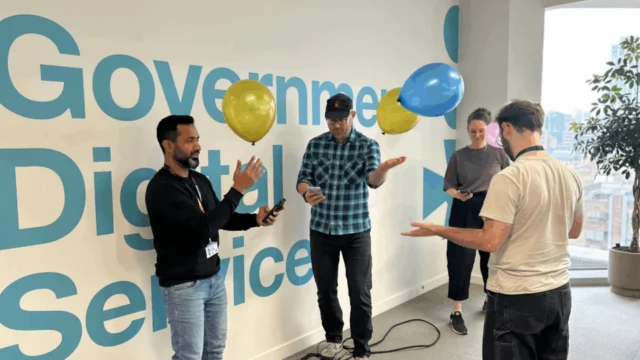
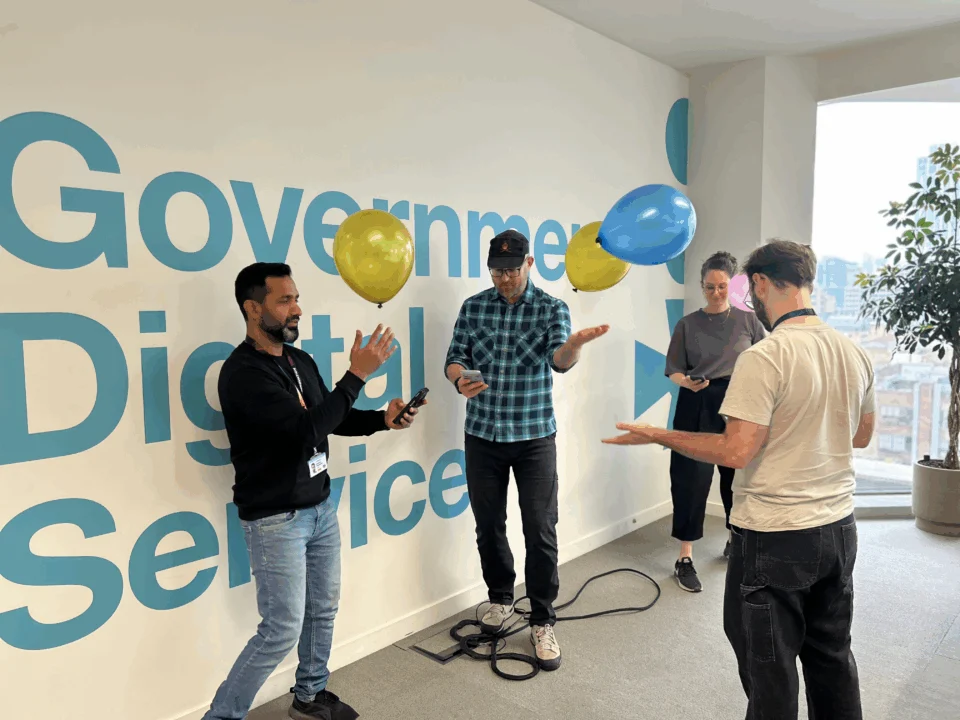
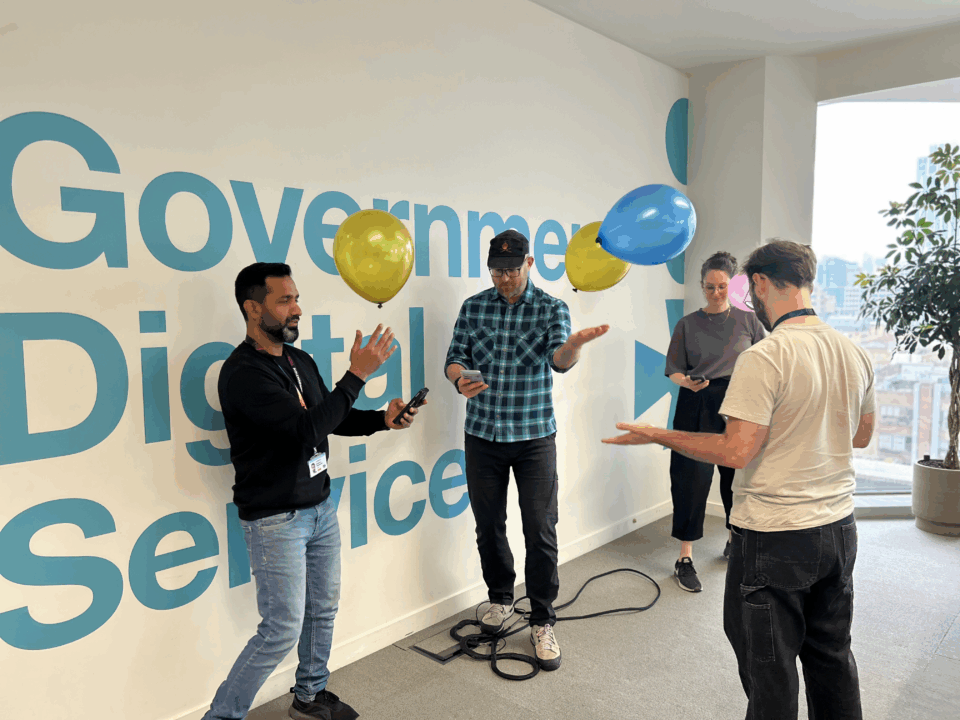
To build empathy, Rik Williams describes the use of "simulations" to bridge the gap between designers and reality. These exercises include the use of vision-impairing glasses, motor-control limiting gloves, and "empathy balloons"—a game designed to simulate the frustrations of users experiencing cognitive or dexterity issues. While Williams acknowledges the limitations of simulations compared to direct user research, he notes they are valuable for uncovering flaws in information flows and task completion.
Sally Creasey emphasizes that accessibility must also extend to "backend" users. This includes the government employees who use Content Management Systems (CMS) to publish information. If a CMS is not accessible or if the taxonomy tagging system is overly complex, it creates a barrier for staff with disabilities, ultimately affecting the quality of the information provided to the public.
Technical Data and Common Pitfalls
Data from the UK’s Department for Work and Pensions indicates that the "Purple Pound"—the spending power of disabled people and their families—is estimated at £274 billion per year. While the GDS focuses on public services, the principles of IA apply equally to the private sector, where inaccessible websites lead to an estimated £17.1 billion in lost revenue annually due to users abandoning "click-away" sites.
In the public sector, the stakes are higher, involving access to healthcare, benefits, and legal rights. Sally Creasey identifies several common pitfalls that can undermine these services:
- Stakeholder-Centric Design: Organizing information based on a department’s internal structure rather than the user’s mental model.
- The Paradox of Choice: Creating too many sections with similar purposes, which increases the "mental load" and can overwhelm users with cognitive impairments.
- Jargon and Inconsistency: Failing to use a controlled vocabulary, leading to different names for the same service across various pages.
Becky Ashley adds that "thinking you’ve finished" is a major pitfall. Information systems must be iterative, using continuous feedback loops to ensure that metadata and information flows adapt to emerging user needs.
Tools for Accessible Architecture
The GDS toolkit for accessible IA includes both traditional research methods and emerging technologies. Sally Creasey highlights "noun and verb foraging," "card sorting," and "tree testing" as essential techniques to understand the language and terminology users actually employ. Furthermore, "progressive disclosure"—the practice of revealing information only as it is needed—is used to prevent cognitive overload.
Rik Williams advocates for Object-Oriented Design (OOD), a method that builds information environments around tangible "objects" rather than abstract concepts. This creates a standardized structure that ensures consistent text hierarchy and makes it easier to personalize the user experience across different technologies.
Looking toward the future, the GDS is exploring the role of Artificial Intelligence (AI) and advanced metadata. By investing in robust metadata, government services can explore how to serve highly relevant, tailored content to users with specific access needs via their preferred channels, whether that be voice assistants, screen readers, or simplified text interfaces.
Broader Impact and Implications
The insights shared by the GDS information architects have implications that extend far beyond the UK Civil Service. As digital transformation continues to reshape global governance, the "accessibility-first" approach to IA serves as a blueprint for reducing social exclusion.
Fact-based analysis suggests that when information architecture is designed for the most vulnerable—such as those with dementia, dyslexia, or severe motor impairments—the resulting system becomes more usable for everyone. For example, clear labeling and logical sequencing benefit not only users with cognitive disabilities but also those using mobile devices in distracting environments or individuals operating in their second language.
Furthermore, the emphasis on "cognitive accessibility" marks a significant shift in the industry. While previous decades focused on technical fixes for screen readers (alt-text, ARIA labels), the current focus on IA addresses the "understandability" of information. This is critical in an era of misinformation and information overload, where the ability to find and comprehend government guidance is a matter of public safety and trust.
By sharing these practices, the GDS continues to reinforce its position as a leader in the global digital community. The "Unlocking Accessibility" series underscores a vital truth in modern design: an information system is only as strong as its ability to be navigated by every citizen, regardless of their physical or cognitive ability. Through the deliberate application of ontology, taxonomy, and choreography, information architects are not just organizing data—they are ensuring that the digital world remains an open and equitable space for all.