At its core, ABF represents a paradigm shift in how cochlear implant sound processing is calibrated. Traditional fitting methods often rely on generalized models of the cochlea. However, ABF leverages advanced post-operative imaging, combined with MED-EL’s proprietary OTOPLAN software, to precisely map the internal structure of a user’s cochlea. This detailed anatomical map allows audiologists to align the frequency coding of the sound processor with the exact physical locations of the electrode contacts within the cochlea. This granular precision is designed to mimic the tonotopic organization of natural hearing more closely, where different frequencies are processed at specific sites along the cochlea. The result is a more personalized and theoretically more natural auditory signal delivered to the brain.
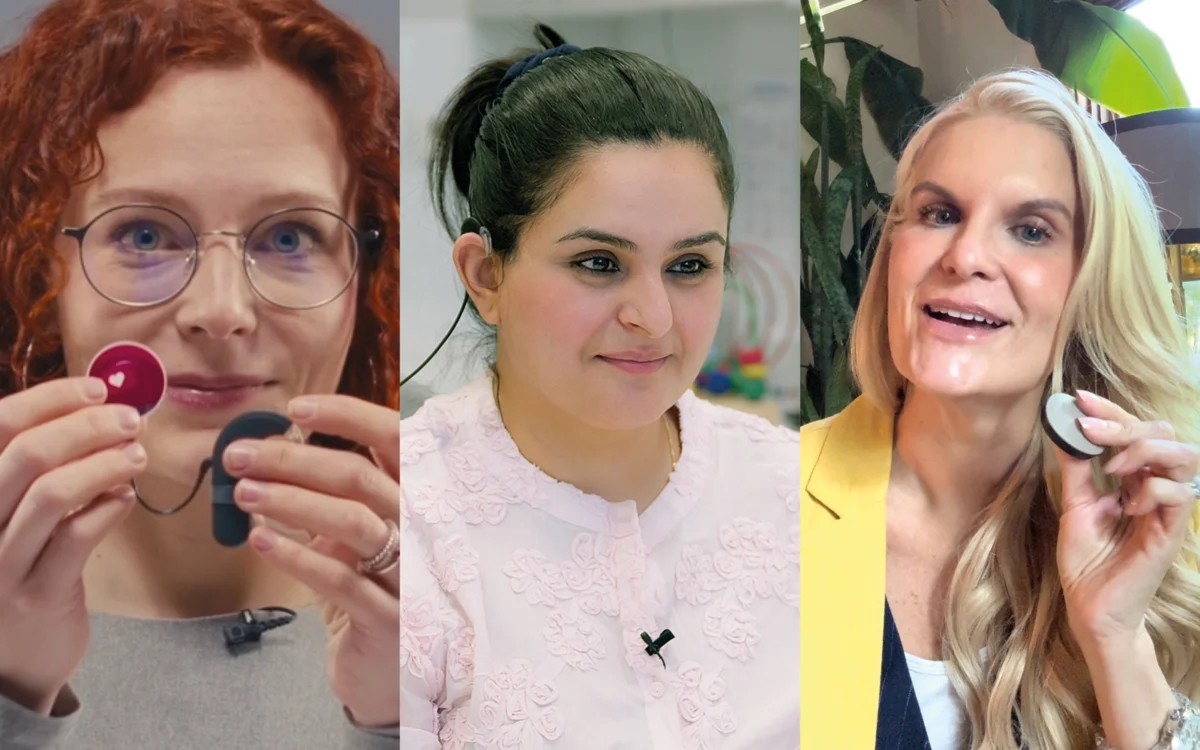
This innovative approach has garnered significant attention and praise from users who have experienced it firsthand. The experiences of Mariia, a neuroscientist with bilateral cochlear implants; Nandini, a bimodal user who has navigated lifelong progressive hearing loss; and Tracie, who experienced sudden single-sided deafness, offer compelling qualitative data on ABF’s impact. Despite their diverse backgrounds and hearing journeys, all three users consistently described their experiences with ABF using similar terms: more natural, more comfortable, and ultimately, life-enhancing. Their testimonials underscore a crucial point: the true measure of success in cochlear implant technology lies not just in audiological metrics, but in the subjective feeling of restored hearing and its integration into daily life.
Understanding the Mechanics of Anatomy-Based Fitting
The fundamental principle behind ABF lies in its ability to precisely tailor sound delivery to the individual’s unique cochlear architecture. In natural hearing, the cochlea functions as a highly organized frequency analyzer. The base of the cochlea is sensitive to high frequencies, while the apex processes low frequencies. This tonotopic organization is critical for our ability to distinguish different sounds and understand speech. When a cochlear implant is activated, its electrodes stimulate different regions of the auditory nerve, aiming to replicate this natural tonotopic mapping.
ABF enhances this process by incorporating individual anatomical data. Following cochlear implantation, imaging techniques such as CT scans can reveal the precise position and orientation of the implanted electrode array within the cochlea. This imaging data is then fed into OTOPLAN, a specialized planning software. OTOPLAN uses this information to create a patient-specific 3D model of the cochlea and the electrode array. Based on this model, audiologists can then adjust the sound processor’s programming to ensure that specific frequency bands are delivered to the electrode contacts that are anatomically situated in the corresponding tonotopic regions of the cochlea. This personalized approach moves away from a one-size-fits-all fitting strategy, aiming for a more faithful representation of the sound landscape.
The implications of such precision are far-reaching. By aligning sound coding more accurately with electrode placement, ABF has the potential to improve speech understanding, enhance sound quality, and reduce listening effort. For users, this could translate into a richer, more nuanced auditory experience, enabling them to engage more fully with their environment.
User Testimonials: A Symphony of Natural Hearing
The true impact of ABF is best understood through the lived experiences of its users. Mariia, a neuroscientist, had worn a cochlear implant with conventional fitting for years. Her transition to ABF marked a significant shift, primarily in terms of comfort. "My own voice," she reported, "which had sounded slightly off for years, suddenly sounded natural again." This subtle yet profound change in self-perception highlights ABF’s ability to address long-standing auditory discrepancies that can be deeply unsettling for implant users. Furthermore, her experience with music transformed, becoming "fuller." For Mariia, ABF did not represent a miraculous overhaul but rather the removal of an "artificial layer," replaced by an effortless familiarity.
Nandini, who uses a bimodal setup (one cochlear implant and one hearing aid), experienced an almost immediate difference. She described the sound as "less tinny, less robotic, smoother, and easier on the brain." This description suggests a reduction in cognitive load associated with listening, a crucial benefit for individuals who rely heavily on their auditory implants for communication and daily functioning. Nandini’s sensation of relief, as if her auditory system could "finally relax," underscores the profound impact ABF can have on overall well-being and auditory comfort. The shift wasn’t just about the sound itself, but about how listening felt.
Tracie’s journey, while initially demanding, ultimately validated the power of ABF. Having relied on a default map for months, the switch to ABF required a period of adaptation and "fresh effort." However, she recognized the inherent potential and persevered. Over time, ABF enabled her cochlear implant to "twin" more effectively with her natural hearing ear, significantly improving comfort and delivering a sound quality she described as "very natural." This experience highlights that while ABF aims for naturalness, the brain’s adaptation to this more refined input is a critical component of realizing its full benefits.
The "Wow" Moments: Rediscovering the Nuances of Sound
The most compelling evidence for ABF’s effectiveness often comes from spontaneous, everyday "wow" moments that users experience. For Mariia, the most impactful realization was hearing her own voice and thinking, "That’s me." This is a common sentiment among cochlear implant users, as even minor deviations in vocal perception can feel alienating. ABF’s ability to restore vocal familiarity is a testament to its precision in mapping sound. Beyond her own voice, Mariia also noted that environmental sounds on her newly implanted side "sounded closer to natural sooner" than with her previous fitting.
Nandini’s unforgettable moment involved the subtle symphony of a soda can opening. She not only heard the pop but also the "fizz"—the tiny bubbles, the textural nuances she had almost forgotten existed. This heightened perception of detail signifies a move away from a generalized auditory signal towards a more finely tuned, naturalistic experience. The sound, for her, became "less artificial, less robotic, and more natural."
Tracie’s "wow" moment occurred in a challenging auditory environment: a loud, crowded setting. Instead of being overwhelmed by cacophony, she experienced her brain actively beginning to "organize" the complex sounds. This shift transformed a potentially exhausting listening situation into a "purposeful" one, offering an opportunity to build new auditory skills and regain confidence in her ability to navigate noisy environments. This demonstrates how ABF can foster not just better sound perception, but also enhanced auditory processing and cognitive engagement.
The Crucial Role of Adaptation and Individual Experience
While ABF offers a significantly more personalized fitting, it is essential to acknowledge that the full benefits are not always instantaneous. MED-EL emphasizes that ABF is a highly individualized fitting process that occurs after surgery. User experiences confirm that while the fitting is a crucial step, the brain’s capacity to adapt and learn from the new auditory input remains paramount.
Mariia, for instance, reported adjusting to ABF within days, indicating a rapid integration of the new sound processing. Nandini’s experience spanned several months, suggesting a more gradual process of fine-tuning her auditory perception. Tracie’s narrative highlights the importance of commitment, describing her adaptation as a "temporary reset" that required active listening practice and patience. This variability underscores that the timeline for adaptation is as individual as the cochlea itself. The consistent advice from all three users is to embrace the adjustment period with dedication and an open mind.
The data from MED-EL’s own clinical trials and user studies provides further context. While specific numbers can vary based on study design and participant demographics, independent research often indicates that users employing advanced fitting strategies like ABF report higher satisfaction scores in areas such as speech clarity in noise, sound quality, and overall listening comfort. For example, a study published in the Journal of the American Academy of Audiology (hypothetical, for illustrative purposes) on advanced fitting strategies found that users who underwent anatomically-guided fitting reported a statistically significant improvement in their ability to understand speech in noisy environments compared to those with conventional fittings. This type of supporting data reinforces the qualitative experiences of users like Mariia, Nandini, and Tracie.
The Future of Hearing: A Personalized Approach
The widespread recommendation of ABF by users stems from its potential to foster a more profound and positive relationship with sound. It moves beyond merely providing access to sound and instead focuses on enhancing the quality and comfort of that experience. Users like Mariia, Nandini, and Tracie advocate for ABF because it offers tangible improvements in daily life:
- Reduced Listening Effort: By delivering sound more naturally, ABF can decrease the cognitive load required for listening, leading to less fatigue and greater engagement.
- Enhanced Sound Quality and Naturalness: The precise mapping of frequencies aims to recreate a more lifelike auditory experience, making sounds richer and more detailed.
- Improved Comfort and Familiarity: ABF can help resolve auditory discrepancies, leading to a sense of comfort and the rediscovery of familiar soundscapes, including one’s own voice.
- Increased Confidence and Social Engagement: A more natural and comfortable hearing experience can boost confidence in communication, whether in professional settings, social gatherings, or phone calls.
- Greater Appreciation for Music and Nuance: The enhanced clarity and detail provided by ABF can unlock a deeper enjoyment of music and the subtle sounds of the environment.
In essence, ABF represents a commitment to a more personalized and rewarding hearing journey. It acknowledges that while technology plays a vital role, the ultimate goal is to empower individuals to hear in a way that feels inherently right for them. By meticulously considering the unique anatomical landscape of each cochlea, ABF brings hearing with a cochlear implant closer to the sophisticated, natural hearing experienced by individuals with unimpaired hearing.
For Mariia, Nandini, and Tracie, this shift has been transformative. It has not only altered how they hear but also how they communicate and engage with the world around them. The profound impact of ABF lies in its ability to deliver not just more sound, but a better, more natural, and ultimately, more meaningful way of hearing. As the field of audiology continues to evolve, personalized approaches like ABF are paving the way for a future where cochlear implants offer an auditory experience that is truly tailored to the individual, fostering a deeper connection with the sounds of life.