
Hearing loss is a pervasive public health challenge, affecting an estimated 40 million adults in the United States alone. Despite its prevalence, a staggering majority of those affected do not seek treatment, often due to the gradual nature of the decline or the social stigma associated with hearing devices. The USC study, led by Janet Choi, MD, MPH, an otolaryngologist with Keck Medicine, suggests that this lack of treatment carries heavy social and biological costs. The research underscores that hearing devices serve as a critical bridge, allowing individuals to navigate complex social environments, maintain professional relationships, and preserve familial bonds that might otherwise erode under the strain of communication barriers.
The Scientific Framework of the USC Meta-Analysis
To reach these conclusions, Dr. Choi and her colleagues performed an exhaustive systematic review of existing literature, synthesizing data from 65 previously published studies. This meta-analysis encompassed a diverse cohort of over 5,000 participants, providing a robust statistical power that individual studies often lack. The research team focused on three primary metrics to gauge the impact of hearing technology: social quality of life, perceived social handicap, and loneliness.
"Perceived social handicap" is a specific clinical term referring to the internal frustrations and external limitations a person feels when their hearing loss prevents them from engaging in social situations. This can manifest as avoiding crowded restaurants, withdrawing from family dinners, or feeling a sense of shame when asking others to repeat themselves. The USC study found that the use of hearing aids and cochlear implants significantly reduced these feelings of handicap. Participants reported a renewed sense of confidence and a decrease in the "listening effort" required to follow conversations, which in turn made social interaction less exhausting and more rewarding.
The findings also highlighted a notable distinction between device types. While both hearing aids and cochlear implants showed positive results, individuals with cochlear implants reported the most dramatic improvements in their social quality of life. Cochlear implants are surgically implanted devices designed for those with severe to profound hearing loss who receive limited benefit from traditional hearing aids. Because these devices bypass damaged portions of the ear to directly stimulate the auditory nerve, they often provide a more significant restoration of clarity for those in the most isolated tiers of hearing loss.
The Biological and Neurological Consequences of Isolation
The implications of the USC study extend far beyond emotional well-being, touching on the fundamental biology of the human brain. Previous medical research has established that chronic social isolation is not just a psychological state but a physiological stressor. When individuals withdraw from social life due to hearing loss, they experience a reduction in mental stimulation that can lead to measurable neurological changes.
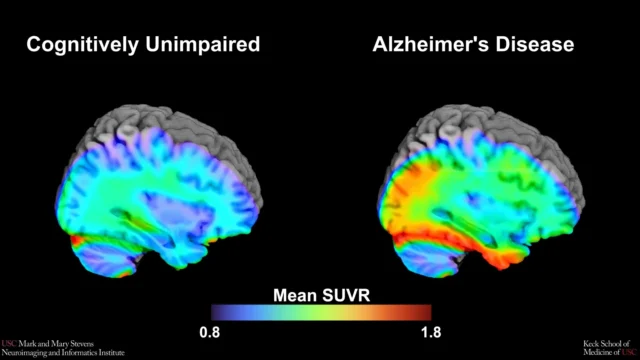
Studies have linked prolonged social disconnection to increased levels of brain inflammation and structural alterations in the brain’s gray matter. Specifically, the areas of the brain responsible for processing speech and sound can begin to atrophy when they are not regularly engaged. Furthermore, the "cognitive load" theory suggests that when the brain must work overtime to decode garbled sounds, it has fewer resources available for memory and executive function.
Dr. Choi noted that while the current study did not directly measure cognitive decline, the correlation is difficult to ignore. By facilitating easier communication and more frequent social engagement, hearing devices keep the brain active and involved. This active engagement acts as a form of "cognitive exercise," potentially shielding the brain from the accelerated decline often seen in isolated elderly populations. The study suggests that the social connectivity provided by hearing aids may be a primary mechanism through which auditory health influences overall brain health.
A Chronology of Research: From Mortality to Connectivity
This latest publication from the Keck Medicine team is part of a broader, ongoing investigation into the systemic effects of hearing health. In January 2024, Dr. Choi published a separate, groundbreaking study which found that adults with hearing loss who used hearing aids had an almost 25% lower risk of mortality compared to those who did not. That study suggested that the benefits of hearing health are so profound that they can actually extend a person’s lifespan.
The progression of this research reflects a shifting paradigm in otolaryngology. Historically, hearing loss was often viewed as an isolated sensory deficit—an unfortunate but non-critical part of aging. However, the timeline of research over the last decade has repositioned hearing health as a pillar of general medicine.
- Early 2010s: Emergence of large-scale longitudinal studies linking untreated hearing loss to a higher risk of dementia and Alzheimer’s disease.
- Mid-2010s: Research begins to identify the "cocktail party effect" and the psychological exhaustion (listening fatigue) associated with hearing impairment.
- January 2024: Dr. Choi’s study links hearing aid use to a 25% reduction in mortality risk, highlighting the life-saving potential of auditory intervention.
- Current Study (2024): The JAMA Otolaryngology meta-analysis identifies the specific social pathways—reduced isolation and improved connectivity—that contribute to these broader health outcomes.
This chronology demonstrates a clear trend: the medical community is moving toward a more holistic understanding of how we hear and how that hearing defines our health trajectory.
Addressing the Barriers to Treatment
Despite the clear benefits outlined in the USC research, the adoption rate for hearing technology remains low. Public health experts point to several systemic barriers that prevent patients from accessing these life-altering devices. Financial cost is a primary hurdle; until recently, many private insurance plans and traditional Medicare did not cover the cost of hearing aids, which can range from $1,000 to $6,000 per pair.
Furthermore, there is a significant "denial period." On average, it takes an individual seven to ten years from the time they first notice hearing loss to the time they seek professional help. During this decade of delay, the social and neurological damage described in Dr. Choi’s study can become entrenched.
"We hope this encourages more people to seek treatment and helps clinicians start conversations with patients about how hearing devices can improve their quality of life," Dr. Choi stated. The study serves as a call to action for primary care physicians to integrate hearing screenings into routine check-ups, much like blood pressure or cholesterol tests. By identifying hearing loss early, clinicians can prevent the "downward spiral" of withdrawal and isolation before it begins.
Broader Public Health Implications and Analysis
The findings of this meta-analysis have significant implications for public health policy and the management of aging populations. As the global population ages, the prevalence of hearing loss is expected to rise, potentially leading to a "loneliness epidemic" with associated costs to the healthcare system. Loneliness and social isolation are linked to higher rates of heart disease, stroke, and mental health disorders, all of which place a heavy financial burden on public health infrastructure.
By demonstrating that hearing aids and cochlear implants are effective tools for social reintegration, the USC study provides a compelling argument for expanding insurance coverage and increasing public awareness. If hearing devices can reduce the risk of dementia and mortality by fostering social connection, they are not just "lifestyle" accessories; they are essential medical interventions.
Moreover, the study highlights the need for a shift in how society views hearing technology. Unlike eyeglasses, which have become a fashion statement, hearing aids still carry a lingering stigma of "getting old." The research suggests that reframing these devices as "connectivity tools" or "social enhancers" may help bridge the gap between those who need help and those who seek it.
In conclusion, the USC Caruso Department of Otolaryngology has provided a definitive piece of evidence in the argument for proactive hearing care. The study confirms that the ability to hear is the foundation upon which our social lives are built. When that foundation is restored through technology, the benefits ripple outward—improving mental health, preserving cognitive function, and ultimately, fostering a deeper connection to the world around us. As the medical community continues to explore the intricate links between our senses and our systemic health, the role of auditory intervention is likely to become an increasingly central component of healthy aging and preventative medicine.