A Chronology of Clinical and Educational Milestones
The foundation of Buckingham’s journey began in 1994, when at 22 months old, she contracted pneumococcal meningitis. This severe bacterial infection resulted in profound, bilateral sensorineural hearing loss. At the time, the medical landscape for pediatric cochlear implantation was in its infancy. In 1995, Buckingham became a pioneer at Seattle Children’s Hospital, undergoing the procedure to receive her first cochlear implant. This milestone was followed by a subsequent second implant, providing her with binaural hearing capabilities that significantly enhanced her auditory environment.
In 1996, Buckingham and her family sought out the expertise of Listen and Talk, a specialized program dedicated to the development of listening and spoken language (LSL) skills. Under the guidance of founder Star Leonard-Fleckman, Buckingham became one of the organization’s inaugural pre-K students. This period was pivotal; the program focused on leveraging the technological capabilities of her implants through rigorous, structured auditory training. This developmental window—between the ages of two and five—is widely recognized by audiologists and speech-language pathologists as the “critical period” for language acquisition, a phase where the brain is most plastic and capable of integrating auditory signals into complex cognitive structures.
Buckingham’s academic path continued through Charles Wright Academy, followed by higher education at Stetson University. In 2014, she graduated with a Bachelor of Science in Family Business and a minor in Management. This academic success, achieved while navigating the nuances of hearing loss in a mainstream university setting, highlights the efficacy of the early foundations laid during her formative years.
The Science and Strategy of Early Intervention
The success of Buckingham’s development is supported by substantial clinical data regarding LSL outcomes. According to the Alexander Graham Bell Association for the Deaf and Hard of Hearing, children who receive early identification and consistent, high-quality LSL intervention are significantly more likely to achieve literacy levels and academic performance commensurate with their hearing peers.
The strategy employed by Listen and Talk centers on the “listening-first” approach. Unlike models that rely primarily on visual communication, this method treats the cochlear implant as a tool that, when paired with intense auditory stimulation, allows the brain to map sounds into language. For Buckingham, the synergy between her medical team at the University of Washington Medical Center and the educational team at Listen and Talk created a closed-loop support system. The medical team focused on the technical optimization of her processors, while the educators provided the linguistic environment necessary to interpret those electrical signals as meaningful speech.
Analysis: Bridging the Gap Between Technology and Autonomy
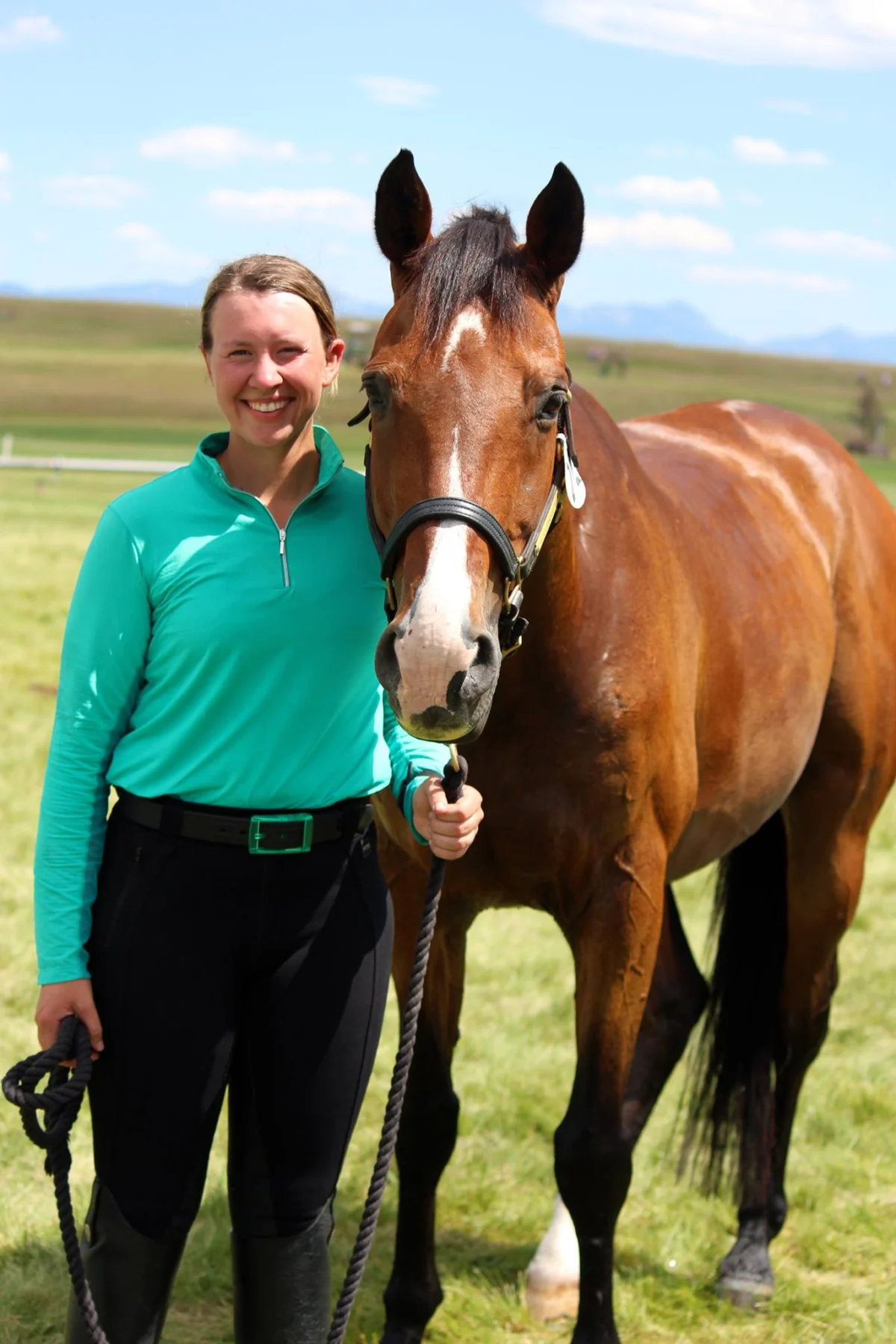
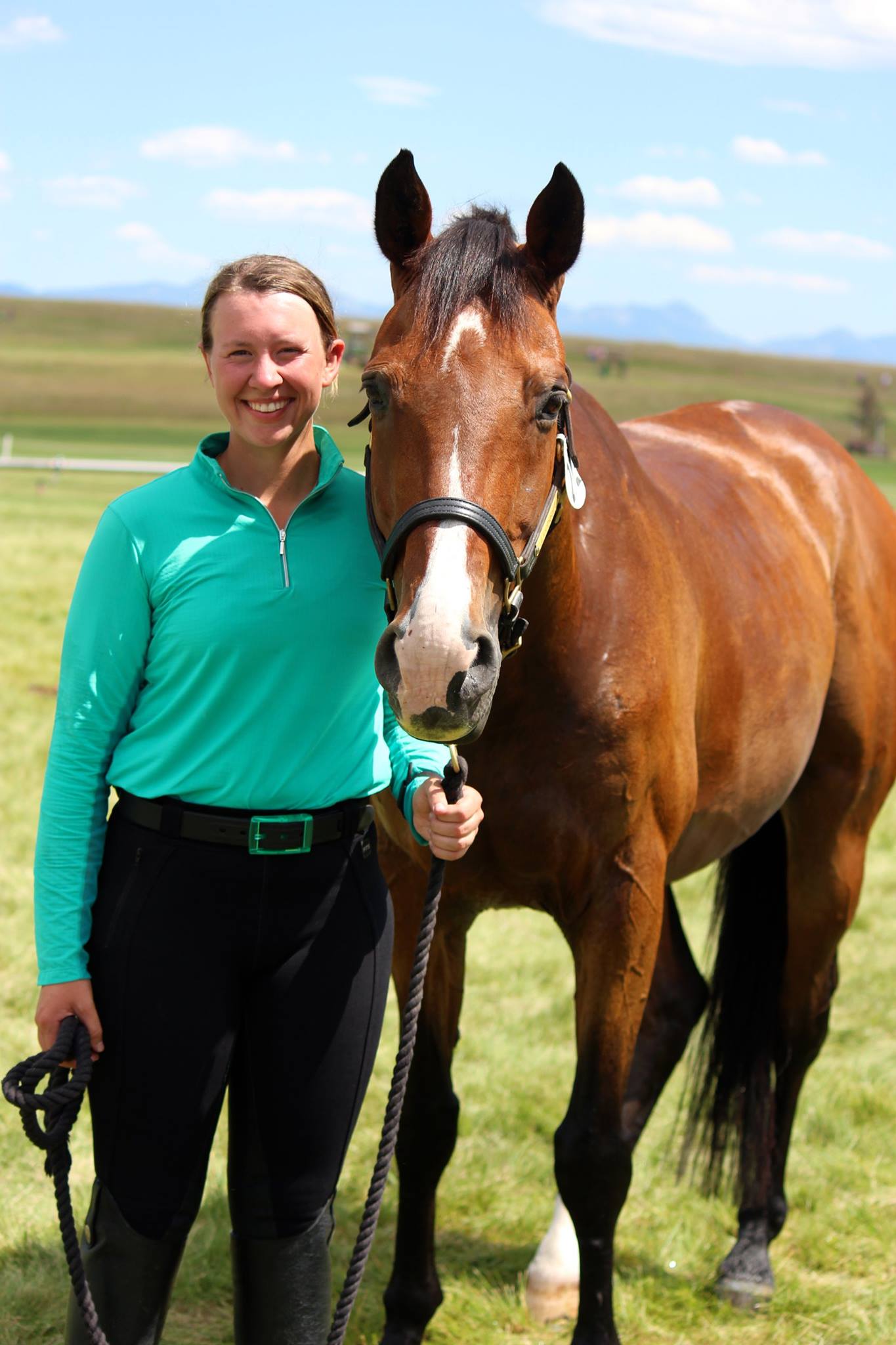
From a broader perspective, Buckingham’s transition into a high-functioning adult career as an assistant horse trainer serves as a practical application of “listening and spoken language” in a real-world, non-clinical environment. Horse training requires intense focus, the ability to interpret non-verbal cues, and precise communication—skills that mirror the complexities of auditory processing in social settings.
Experts in the field of audiology often point to “social integration” as the ultimate metric of success for pediatric patients with cochlear implants. By achieving professional autonomy, Buckingham demonstrates that the goal of early intervention is not merely the ability to hear, but the ability to participate fully in society. Her career choice, which demands high levels of situational awareness, validates the long-term outcomes that programs like Listen and Talk aim to achieve for every student.
Insights from the Listen and Talk Community
The organization, which continues to facilitate the development of children with hearing loss, views Buckingham’s success as a foundational example of their long-term vision. Executive Director Maura Berndsen has frequently cited the importance of the “alumni cycle” in sustaining these programs. The concept is that early intervention recipients, upon reaching adulthood, become the most effective advocates for new families entering the system.
For parents currently navigating the initial diagnosis of hearing loss, the medical community emphasizes that the “work” is not limited to the child. The support structure—consisting of regular audiology appointments, therapy sessions, and a consistent home-based language environment—is a multi-year commitment. Buckingham’s message to these families is consistent with current best practices: prioritize the child’s auditory health, build a robust support network, and maintain high expectations for academic and social achievement.
Broader Implications for Public Health and Policy
The success of individuals like Jordan Buckingham has significant implications for public health policy, specifically regarding the expansion of universal newborn hearing screening (UNHS). Since the late 1990s, the adoption of UNHS across the United States has allowed for the identification of hearing loss within the first few weeks of life. When combined with the availability of cochlear implants and programs that focus on spoken language development, the potential for children with profound hearing loss to achieve mainstream success has reached an all-time high.
However, the cost-benefit analysis of these programs remains a subject of public interest. Providing access to high-quality LSL programs and sophisticated medical hardware is an investment that yields dividends in future economic productivity and reduced reliance on social support services. Buckingham’s career, as a tax-paying professional and active member of her community, represents the ultimate success of this economic model.
Sustaining the Future: The Role of Alumni Giving
As Listen and Talk looks toward the future, the organization has pivoted to leverage the success of its alumni to fund the next generation of students. The 2025 Alumni Family Giving Campaign serves as a vital component of the organization’s financial health. By encouraging those who have benefited from the program to contribute, the campaign creates a sustainable ecosystem where the resources that shaped the lives of the early cohorts—such as audiology testing and specialized classroom instruction—remain available to modern families.
The funding generated by these campaigns is directed toward:
- Early Intervention Services: Providing developmental support during the critical birth-to-three-year window.
- Audiology Resources: Ensuring that all students have access to the most recent, high-functioning hearing technologies.
- Parent Education: Equipping families with the tools to continue language development outside of the classroom.
For alumni like Buckingham, giving back is more than a financial transaction; it is a recognition of the collective effort required to move from the initial diagnosis to a life without perceived limits. The narrative of her life—from the first clinical trials at Seattle Children’s to the pastures of Idaho—serves as a benchmark for the field of pediatric hearing health, proving that with appropriate intervention and a steadfast community, the barriers once thought to be permanent can be effectively dismantled.