The findings are based on the Work-Related Immediate Inpatient Hospitalization Surveillance System, a sophisticated data-linking initiative that correlates workers’ compensation claims with state-wide hospital discharge records. By integrating these disparate data streams, researchers have provided a granular look at the nature of injuries that necessitate significant medical intervention, offering a clear roadmap for where safety protocols require immediate and robust adjustment.
The Dominance of Fall-Related Incidents
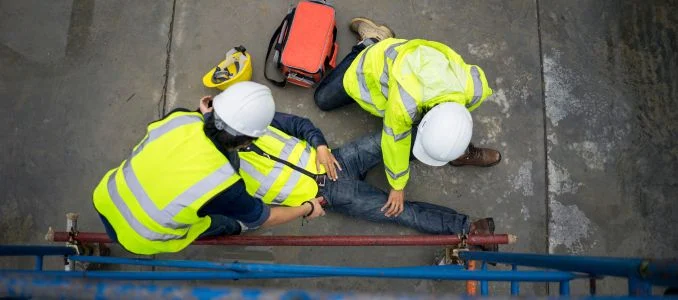
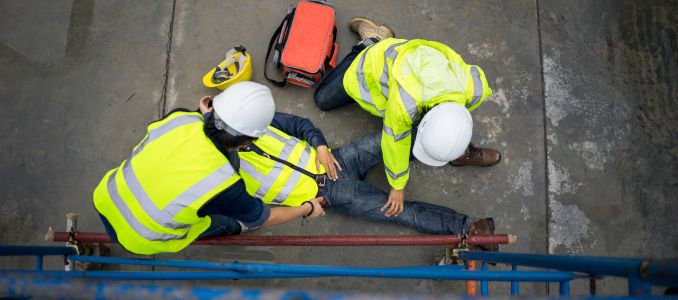
The most striking finding within the 2024 report is the prevalence of falls as the leading cause of major injury. Across all industrial sectors in Washington, falls accounted for a majority of the 537 recorded hospitalizations. More specifically, 57% of those instances were classified as "falls to a lower level," such as plummeting from ladders, scaffolding, roofs, or elevated work platforms.
This data point reinforces a long-standing concern among occupational health and safety professionals. Falls remain the primary killer in the construction industry nationwide, and the Washington state data suggests that even with existing safety regulations—such as the mandatory use of fall arrest systems and guardrails—the practical implementation of these safety measures remains inconsistent. The statistics reveal that these incidents are not merely statistical outliers but represent a systemic failure to protect workers operating at height.
Industry-Specific Breakdown and Risk Distribution
While workplace hazards are a universal concern, the 2024 surveillance report highlights that danger is not distributed uniformly across the economic landscape. The construction industry, characterized by its dynamic and often unpredictable work environments, recorded the highest volume of inpatient hospitalizations. Within this sector, the correlation between falls and severe injury is even more pronounced; in over half of the construction-related hospitalization cases, a fall was the primary mechanism of injury.

Manufacturing operations followed as the second-highest source of industrial accidents. Unlike construction, where falls from heights are the primary driver, manufacturing injuries often stem from a combination of heavy machinery operation, material handling, and repetitive strain that can lead to acute crises. The dual-pressure of these two sectors suggests that Washington’s industrial safety strategy must be multifaceted, addressing both the structural risks of the built environment and the mechanical risks of the factory floor.
Chronology of Data Collection and Surveillance
The surveillance system utilized for this report represents a multi-year effort to modernize how the state tracks worker welfare. Historically, occupational injury data was often fragmented, relying on self-reported OSHA logs or delayed workers’ compensation filings that lacked clinical detail. The current system, which aggregates data from hospital discharge records, provides a more immediate and clinically accurate picture of the severity of injuries.
Throughout 2024, the SHARP program monitored these metrics in real-time. By tracking the intake of patients from specific job sites and sectors, the department was able to identify clusters of incidents early in the year. This longitudinal approach allows for a "safety-first" diagnostic process: rather than waiting for an annual report to identify a trend, the data-linking system allows investigators to pinpoint high-risk roles and assist employers in prioritizing safety interventions before minor accidents escalate into life-altering catastrophes.

The Economic and Human Cost of Workplace Injuries
The impact of these 537 hospitalizations extends far beyond the hospital walls. Each inpatient admission represents not only a significant physical trauma for the employee but also a massive disruption to the workforce. For the construction sector, the loss of skilled labor due to injury ripples through project timelines, driving up costs, delaying infrastructure development, and increasing insurance premiums for the entire industry.
Furthermore, the "immediate inpatient" classification specifically denotes injuries that are severe enough to require surgery, intensive care, or prolonged observation. This indicates that the 2024 cohort of injured workers likely faced significant recovery times, potentially affecting their long-term ability to remain in their chosen trade. When an industry loses experienced laborers to preventable falls, it suffers from a loss of institutional knowledge and mentorship, further endangering less experienced staff who may be left to navigate hazardous environments without adequate supervision.
Official Responses and Future Interventions
The Washington Department of Labor & Industries (L&I) has utilized this data to inform its ongoing outreach programs. While the department has not issued a formal mandate for new legislation in direct response to these specific numbers, the report serves as a foundational document for safety inspectors and compliance officers.

Industry advocates, including trade unions and construction safety councils, have expressed that the 2024 report serves as a sobering reminder of the necessity of a "zero-incident" culture. Industry representatives have noted that while safety equipment is widely available, the "human factor"—including fatigue, time-pressures, and the occasional bypass of safety protocols—remains the most difficult variable to control.
State researchers emphasize that the 2024 report is not intended to be punitive, but rather diagnostic. By identifying that a majority of falls occur at lower levels or from specific types of equipment, L&I can provide more targeted guidance to contractors. This might include mandatory refresher training for employees working on scaffolds or increased inspections of residential roofing projects, where fall protection compliance is historically lower than in commercial sectors.
Implications for Policy and Safety Standards
The implications of the 2024 study suggest that existing safety standards, while robust on paper, are failing in practice. The data invites a broader discussion regarding the enforcement of safety standards in an era of labor shortages and rapid development. As the demand for housing and infrastructure increases, the pressure on construction crews to complete projects on accelerated schedules may be contributing to an environment where safety corners are cut.

The SHARP program’s ongoing efforts to refine this surveillance system are essential for future policy development. By continuing to link medical outcomes with workplace records, the state is creating a high-resolution map of occupational hazard. This transparency allows policymakers to allocate resources more effectively, targeting high-risk industries with increased safety training grants, modernized equipment subsidies, and more rigorous oversight where the data shows it is needed most.
Conclusion: Moving Toward a Safer Future
The 2024 industrial incident report serves as a vital tool for employers, safety officers, and workers alike. By acknowledging that 537 of their colleagues required hospitalization last year, the state of Washington has taken a proactive step in fostering a more transparent safety culture.
The data is clear: falls in construction and accidents in manufacturing remain the primary obstacles to a safe working environment. Moving forward, the focus must shift from the mere observation of these statistics to the implementation of aggressive, data-driven interventions. Whether through enhanced technology, such as automated fall-detection wearables, or through a fundamental shift in workplace culture that empowers workers to halt unsafe operations without fear of retribution, the goal remains the same: ensuring that every worker returns home at the end of the shift in the same condition they arrived.

For those interested in exploring the specifics of the data, the full 2024 industrial incident report is available via the Washington Department of Labor & Industries website. This document provides a comprehensive breakdown of risk factors, demographic trends, and industry-specific metrics that can help safety managers tailor their own prevention programs. As the state moves into the next fiscal cycle, the surveillance system will continue to be a critical indicator of whether these interventions are successfully reducing the burden of injury on Washington’s workforce.