Information architecture traditionally involves the planning and design of research activities to help teams understand how users perceive and interact with information. Within the GDS, this role has evolved to bridge the gap between complex governmental data and the diverse mental models of the public. The architects featured in the report—Becky Ashley, Sally Creasey, and Rik Williams—emphasize that an accessible digital service is fundamentally a usable one, grounded in the principles of clarity, consistency, and user-centered design.
The Strategic Framework for Accessible Information Architecture
For organizations beginning their journey toward digital inclusion, the GDS architects advocate for a top-down and bottom-up integration of accessibility. Becky Ashley, Lead Information Architect at GDS, suggests that accessibility must be embedded across every level of an organization and integrated into every skillset. This involves a combination of structured internal workflows and a culture of continuous education. According to Ashley, a collective mindset is necessary to support intuitive and inclusive architectural design, ensuring that accessibility is not siloed within a single "compliance" team but is a shared responsibility.
Building on this, Senior Information Architect Sally Creasey highlights the importance of stakeholder advocacy. She notes that information architects must involve colleagues and end-users early in the process of creating sitemaps, ontologies, and knowledge organization systems. Without this collaborative approach, there is a significant risk that the final product will fail to meet the actual needs of the users it was intended to serve. The goal is to make stakeholders feel confident in discussing accessibility, transforming it from a technical requirement into a core value of the design process.
The Three Pillars: Ontology, Taxonomy, and Choreography
A central theme in the GDS approach is the breakdown of information architecture into three distinct but interconnected pillars: ontology, taxonomy, and choreography. Rik Williams, Senior Information Architect, explains that prioritizing accessibility requires deliberate design within each of these areas:
- Ontology (The Meaning of Information): This focuses on what the information actually is. Accessible ontologies use clear and consistent concepts, which are vital for users with cognitive disabilities, learning differences, or those who lack specific domain knowledge. By ensuring that terms and concepts are defined clearly, architects reduce the mental effort required to understand the service.
- Taxonomy (The Organization of Information): This involves how information is categorized and grouped. Inclusive taxonomies use predictable and logical structures. This is particularly beneficial for users who rely on screen readers or those with mobility impairments, as it allows for more efficient navigation through structured data.
- Choreography (The Interaction Flow): This refers to how users move through information across different channels and contexts. Accessible choreography ensures logical sequences, which translates to a clear tabbing order for keyboard users, distinct focus indicators, and consistent navigation patterns.
Williams argues that by addressing these three pillars, teams create "deeply usable systems," noting that extreme usability is the bedrock of digital accessibility.
Education and Cross-Disciplinary Collaboration
Educating non-specialist team members—such as developers, content creators, and general designers—remains a significant challenge in large-scale digital projects. The GDS architects suggest using the "POUR" principles (Perceivable, Operable, Understandable, and Robust) as a shared framework to foster collaboration. By applying these standards to various workstreams, teams can maintain a common language that transcends specific technical skill sets.
Sally Creasey emphasizes that information architects must "be the change" they wish to see. This involves championing intuitive labeling and wayfinding techniques that align with users’ mental models. She also stresses the importance of "backend accessibility." While much focus is placed on the end-user experience, the systems used by government employees to publish and manage content (such as Content Management Systems or CMS) must also be accessible. A disabled content editor should be able to tag content from a taxonomy as easily as a citizen navigates a website.
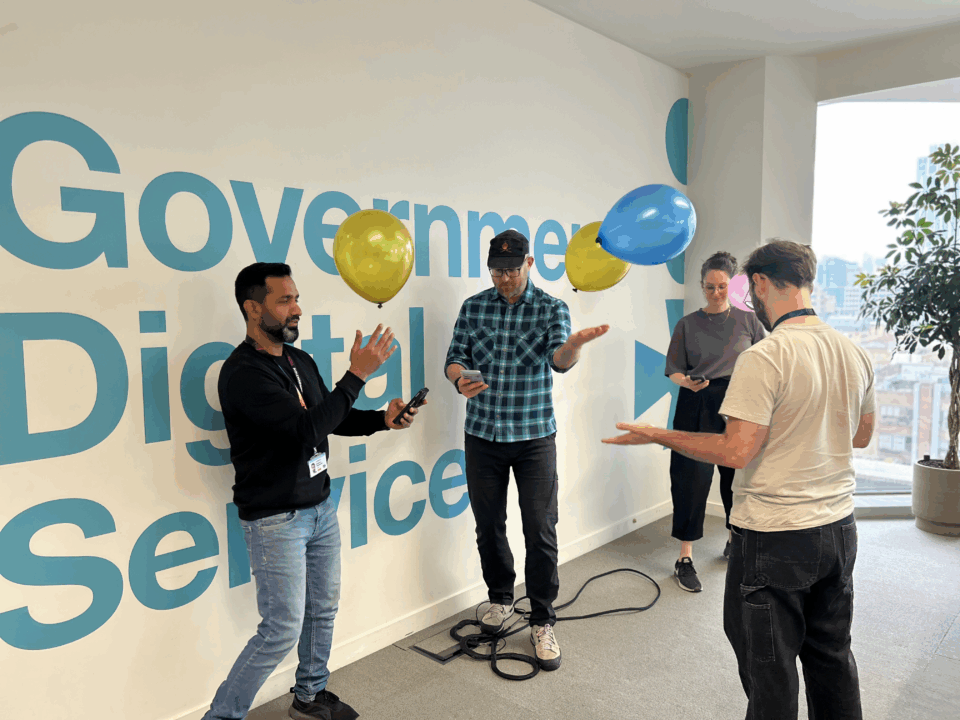
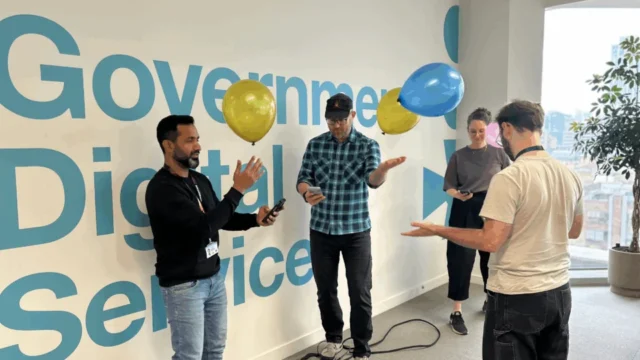
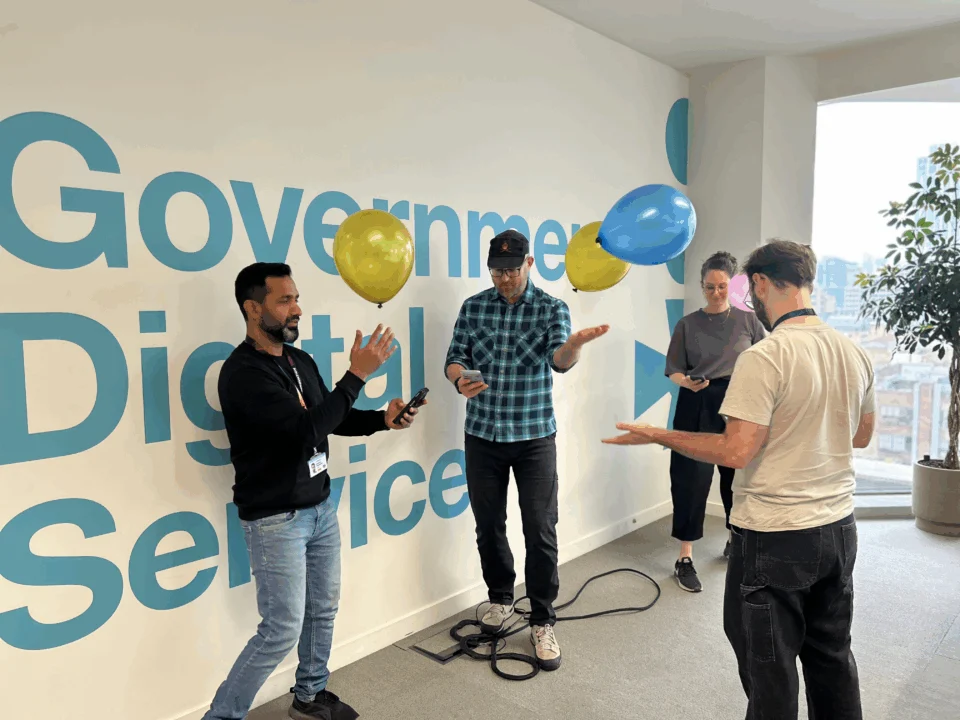
To bridge the empathy gap, the GDS team utilizes simulations and interactive games. One such method is "empathy balloons," a low-cost game designed to build understanding for users with cognitive or dexterity issues. While Williams cautions that simulations (like vision-impairing glasses or motor-limiting gloves) have limitations and should not replace direct user research, they serve as valuable tools for helping designers realize how easily services can become "unpleasant or impossible to use" for those with diverse abilities.
Common Pitfalls in Digital Structuring
The transition to accessible IA is often hindered by recurring mistakes. One of the most common pitfalls identified by the GDS experts is the tendency to organize information around an organization’s internal structure rather than the user’s needs. Sally Creasey warns that allowing delivery pressures to reduce user research time often leads to services that use internal jargon or present a "paradox of choice"—where users are overwhelmed by too many sections with similar purposes.
Another risk is the "set it and forget it" mentality. Becky Ashley notes that information architecture is never truly finished. Organizations must be prepared to iterate and improve information flows as new user needs emerge. She suggests creating a "continuous feedback loop" between user data and architectural structures, ensuring that code and content remain flexible.
Rik Williams points out that IA has a direct link to cognitive accessibility. For users with dementia, dyslexia, or those in high-stress situations that overwhelm thinking, the hierarchy of steps in a service flow is paramount. Pitfalls often include complex data capture processes or a lack of orientation, leaving users feeling lost within a digital service.
Tools and Methodologies for Inclusion
To ensure that their designs are robust, GDS architects employ several specific methodologies:
- Progressive Disclosure: This technique reveals information only as it is needed, preventing users from becoming overwhelmed by too much data at once.
- Noun and Verb Foraging: Architects analyze the language users naturally use to ensure that labels and categories match public expectations.
- Card Sorting and Tree Testing: These research methods help architects understand how users group information and where they expect to find specific items in a menu structure.
- Object-Oriented Design (OOD): Rik Williams advocates for OOD to create consistency. By building environments around tangible "objects" with standardized attributes, architects can ensure that text structures remain accessible and that the system can support personalization.
The architects also look toward the future, citing the potential of Artificial Intelligence (AI) and advanced metadata. These technologies could eventually allow for "highly relevant content" to be served to users based on their specific access needs and preferred channels, further realizing the goal of "universality" championed by web founder Tim Berners-Lee.
Broader Implications for Public Sector Digital Services
The insights shared by the GDS information architects reflect a broader shift in how the UK government approaches digital transformation. Under the Public Sector Bodies (Websites and Mobile Applications) (No. 2) Accessibility Regulations 2018, public sector organizations are legally required to make their websites and apps accessible. Failure to do so not only carries legal risk but also excludes a significant portion of the population.
According to data from the Department for Work and Pensions, there are approximately 16 million people in the UK reported as having a disability. This represents roughly 24% of the population. As government services—from tax filing to healthcare bookings—move increasingly online, the "digital divide" poses a threat to social equity. The work of information architects in "unlocking accessibility" is therefore seen as a vital component of modern governance.
By focusing on the "unseen foundation" of digital services—the labels, the hierarchies, and the flows—the GDS aims to set a global standard for how governments can serve all citizens. The "Unlocking Accessibility" series continues to serve as a resource for digital professionals worldwide, offering a blueprint for moving beyond checkbox compliance toward a more empathetic and effective digital architecture.