
The Clinical Context: Navigating Rare Diagnoses and Hearing Loss
Jack Krenn’s early life was complicated by a rare genetic presentation: a chromosomal variant known as EFTUD2, which results in mandibulofacial dysostosis with microcephaly (MFDM). This condition, which affects cranial and facial development, is frequently accompanied by significant hearing impairment. The complexity of managing MFDM alongside hearing loss required the Krenns to move beyond routine pediatric care and into a multifaceted medical ecosystem involving surgical specialists, audiologists, and early childhood development experts.
In the early stages, the Krenns were presented with a range of technical choices, including the selection of hearing aid hardware and ear molds—decisions that carry long-term implications for a child’s auditory development. Initially diagnosed with a moderate-to-severe mixed hearing loss, Jack’s clinical profile evolved as he matured. Subsequent testing, following the placement of ear tubes and physical growth, refined the diagnosis to a unilateral conductive hearing loss, requiring a single over-the-ear hearing aid. This trajectory underscores a critical reality in pediatric audiology: the importance of iterative, long-term testing to ensure that intervention strategies remain aligned with a child’s changing physiology.
The Role of Early Intervention Services
The Krenns’ decision to engage with Listen and Talk, a specialized center for children with hearing loss, highlights the shift toward intensive, multidisciplinary early intervention. Research consistently demonstrates that children who receive intervention before six months of age are significantly more likely to develop language skills commensurate with their hearing peers.

During his first three years, Jack worked weekly with a dedicated speech-language pathologist (SLP). This therapeutic relationship extended beyond traditional clinical sessions. The intervention strategy included "hand-holding" support for the parents, navigation of state-funded disability services (DSHS), and advocacy within the community. The SLP’s involvement reached into Jack’s social playgroups and even extended to educational presentations at his father’s workplace, demonstrating a holistic approach that seeks to modify the child’s entire listening environment rather than treating the hearing loss in isolation.
Addressing Complex Developmental Challenges
Beyond his hearing loss, Jack faces childhood apraxia of speech (CAS), a motor speech disorder that makes it difficult for a child to accurately produce sounds, syllables, and words. While hearing loss involves the reception of sound, apraxia involves the brain’s ability to plan the motor movements required for speech. The combination of these conditions creates a “double challenge,” requiring the child to exert significant cognitive effort to hear sounds and then additional, specialized effort to articulate them.
The integration of these needs into a blended preschool classroom has been a pivotal step in Jack’s development. Modern educational theory emphasizes the benefits of inclusive, language-rich environments where children with varying degrees of hearing and speech challenges interact with neurotypical peers. The staff at Listen and Talk utilize daily reporting mechanisms—often through digital platforms—to ensure that parents remain informed partners in the educational process, a practice that fosters confidence and continuity between the classroom and the home.
Data and Trends in Pediatric Audiology
The path taken by the Krenn family reflects broader national trends in the treatment of hearing loss. According to the Centers for Disease Control and Prevention (CDC), the goal of the EHDI program is to ensure that children are screened by one month of age, diagnosed by three months, and enrolled in early intervention services by six months. When these benchmarks are met, the outcomes for long-term academic and social development are substantially improved.
The evolution of technology has also played a significant role. Where once parents sought "discreet" or "beige" options to minimize the visibility of hearing technology, there is a growing cultural shift toward the normalization of assistive devices. As Jack’s family noted, the transition from neutral-colored molds to vibrant, neon, and glitter-infused options reflects a broader trend of empowerment, where children are encouraged to view their hearing technology as an extension of their identity rather than a source of shame.

Broader Implications for Policy and Community Support
The financial and operational support for organizations like Listen and Talk relies heavily on philanthropic contributions and alumni family giving campaigns. These programs provide a vital bridge for families who might otherwise struggle to access specialized therapy, audiology, and parent education classes. The funding of these services has a direct, measurable impact on the trajectory of children diagnosed with microtia, atresia, and other forms of hearing loss.
The success of the "no child is limited by hearing loss" philosophy depends on the sustainability of these social impact enterprises. As families move from the initial shock of a diagnosis to a state of advocacy, they often become the primary drivers of community support. The Krenn family’s experience illustrates that the effectiveness of a program is not measured solely by clinical metrics—such as decibel levels or speech scores—but by the successful integration of the child into the broader world.
A Future-Oriented Perspective
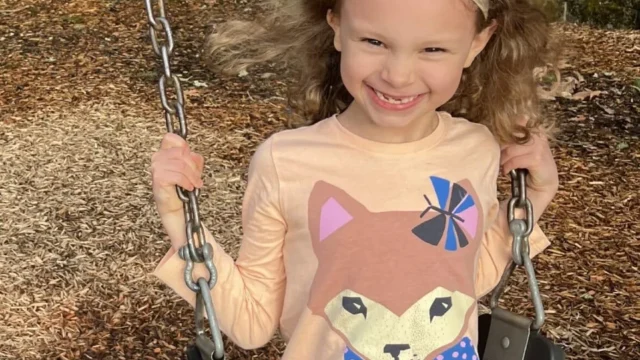
Jack, now three and a half, continues to navigate his environment with a personality described by his family as "imaginative, determined, and decisive." His passion for animals and his affinity for the zoo are, in the context of his early developmental hurdles, significant indicators of his cognitive and social progress. His journey serves as a case study in the efficacy of early intervention and the importance of a supportive community.
The implications for other families are clear: the period immediately following a diagnosis is the most critical for establishing a roadmap for success. While the medical, logistical, and emotional burdens of a complex diagnosis are undeniable, the availability of specialized resources allows families to move from a state of reactive crisis management to proactive developmental support. By investing in early intervention, society not only aids the individual child but also strengthens the family unit, ensuring that developmental gaps are addressed before they become permanent barriers to success.
As Jack continues his education in the preschool program at Listen and Talk, his progress serves as a testament to the power of tailored educational strategies. For those navigating similar paths, the story of the Krenn family offers a blueprint for resilience, emphasizing that with the right support, the limitations posed by hearing loss and speech disorders can be effectively managed, allowing children to focus on what matters most: learning, growing, and exploring the world around them.