

Understanding Vestibular Migraine and the Metabolic Connection
Vestibular migraine (VM) is a nervous system problem that causes repeated dizziness or vertigo in people who have a history of migraine symptoms. Unlike traditional migraines, VM does not always involve a painful headache. Instead, patients often experience a sense of motion when they are still, sensitivity to light and sound, and a persistent feeling of being "off-balance." According to the Vestibular Disorders Association (VeDA), VM is one of the most common causes of chronic vertigo, yet it remains frequently underdiagnosed or mismanaged.
For decades, the medical community viewed migraine primarily as a vascular or purely neurogenic event. However, contemporary research is shifting toward a metabolic hypothesis. This theory suggests that the migraineur’s brain is characterized by a state of "energy failure" or hypometabolism. When the brain cannot efficiently process its primary fuel—glucose—it becomes hyper-excitable and prone to the wave of nerve cell depolarization known as cortical spreading depression, which is believed to trigger migraine symptoms.
The Eighteen-Year Journey: A Chronology of Chronic Dizziness
The case of Rachel Weaver, author of Dizzy: A Memoir, serves as a poignant illustration of the clinical challenges associated with VM. Her journey began nearly two decades ago when a sudden onset of constant dizziness transformed her daily reality. For 18 years, Weaver navigated the complexities of motherhood, a professional writing career, and daily life while feeling as though the ground beneath her was permanently unstable.
Her medical chronology followed a path familiar to many "dizzy" patients:
- Initial Onset: Sudden, non-stop vertigo that failed to resolve.
- Diagnostic Loop: Multiple MRIs, blood panels, and neurological exams that ruled out life-threatening conditions like tumors or Multiple Sclerosis but offered no solution.
- Symptomatic Management: Trials of various migraine preventatives and "Heal Your Headache" dietary protocols (avoiding caffeine, chocolate, and aged cheeses) which provided only marginal relief.
- The Search for "The Missing Piece": Identifying that fasting or specific meal timings influenced symptom intensity, leading to the eventual discovery of metabolic neurology.
Weaver’s experience underscores the limitations of the current diagnostic framework, which often relies on subjective symptom reporting rather than objective biological markers.
The Science of Glycemic Phenotyping in Neurology
Dr. Kyle Bills, a neurologist and headache specialist, has spearheaded research into why standard metabolic tests often fail migraine patients. In a recent paper published in Frontiers in Neurology, Dr. Bills and his colleagues examined glucose dynamics and glycemic phenotyping in chronic migraine populations.
Their research highlights a critical flaw in standard diagnostic procedures: the reliance on fasting blood sugar and Hemoglobin A1C. These tests are designed to detect diabetes or pre-diabetes, but they are often insensitive to the rapid glucose fluctuations that can destabilize a migraine-prone brain.
Key Findings from Continuous Glucose Monitoring (CGM)
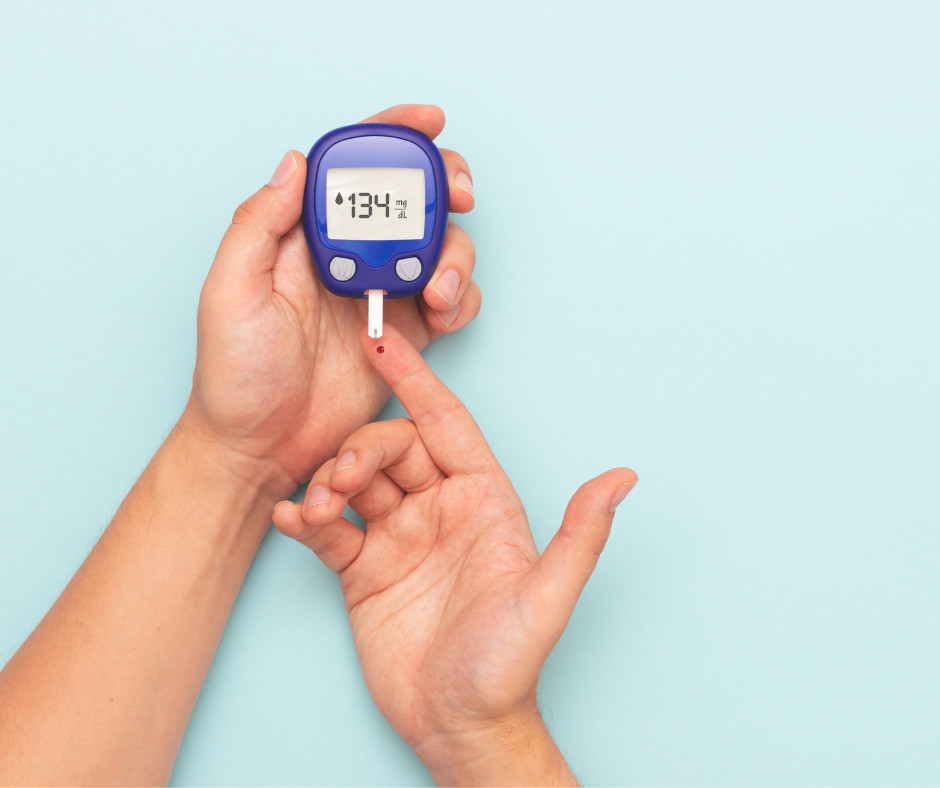
By utilizing Continuous Glucose Monitors (CGMs) and Oral Glucose Tolerance Tests (OGTT), Dr. Bills’ team identified specific metabolic "phenotypes" within the vestibular migraine population:
- The Reactive Hypoglycemic Phenotype: These patients experience sharp spikes in blood sugar followed by rapid "crashes." Even if their sugar levels stay within a "normal" range by clinical standards, the rate of change triggers neurological instability.
- The Insulin Resistant Phenotype: These individuals may have normal blood sugar but require excessive amounts of insulin to maintain it. High insulin levels themselves can be pro-inflammatory and affect the vestibular system.
- The Non-Metabolic Phenotype: A subset of patients whose migraines are driven by factors unrelated to glucose, such as structural issues, hormonal shifts, or traditional environmental triggers.
This data suggests that "vestibular migraine" is not a monolithic condition but a collection of different biological pathways leading to the same set of symptoms.
Therapeutic Ketosis: Re-Fueling the Brain
One of the most significant implications of this research is the use of a therapeutic ketogenic diet as a neurological intervention. While "keto" is often associated with weight loss, its origins are clinical, having been used since the 1920s to treat drug-resistant epilepsy.
In the context of vestibular migraine, a strict, medically supervised ketogenic diet serves to shift the brain’s primary fuel source from glucose to ketones. Ketones are a more "stable" fuel source that produces fewer reactive oxygen species (oxidative stress) and provides a steady stream of energy that does not fluctuate with meal timing.
For Rachel Weaver, the shift to therapeutic ketosis resulted in a dramatic reduction in symptoms within the first week. By stabilizing her blood glucose levels, the "constant" nature of her 18-year dizziness transitioned into occasional, manageable episodes. This suggests that for metabolic-type VM patients, the brain’s inability to handle glucose is not just a trigger, but a primary driver of the disease state.
Supporting Data and Clinical Observations
The emerging data regarding glucose and migraine suggests a high prevalence of metabolic dysfunction in the migraine population.
- Insulin Sensitivity: Studies have shown that migraineurs often have higher levels of insulin resistance compared to age-matched controls, even when their Body Mass Index (BMI) is in the healthy range.
- Genetic Links: Recent genome-wide association studies (GWAS) have identified overlaps between glycemic traits and migraine susceptibility, suggesting a hereditary link between how the body processes sugar and the threshold for a migraine attack.
- Cortical Spreading Depression (CSD): Laboratory models indicate that low glucose availability in the brain significantly lowers the threshold for CSD, the physiological hallmark of migraine aura and vestibular disruption.
Official Responses and the Future of Personalized Management
The medical community’s response to metabolic phenotyping is one of cautious optimism. While traditional neurology has been slow to integrate nutritional interventions, the rise of "Metabolic Psychiatry" and "Metabolic Neurology" is gaining traction. Organizations like VeDA are increasingly promoting a multidisciplinary approach that includes neurologists, dietitians, and physical therapists.
Dr. Bills emphasizes the necessity of "clinical humility" and patient collaboration. Because metabolic triggers are highly individual, the future of VM treatment likely involves:
- Personalized Diagnostics: Using CGMs to map a patient’s specific glucose response to their environment and diet.
- Targeted Nutrition: Moving beyond generic "migraine diets" toward specific macronutrient ratios based on the patient’s phenotype.
- Integrated Care: Combining metabolic stabilization with traditional therapies like vestibular rehabilitation therapy (VRT) and, when necessary, pharmaceutical intervention.
Broader Implications for Chronic Illness
The research into blood glucose and vestibular migraine has implications far beyond the "dizzy" community. It challenges the siloed nature of modern medicine, where the "head" (neurology) is often treated separately from the "body" (metabolism).
For patients, the shift toward understanding metabolic phenotypes offers a sense of agency. Chronic vestibular disorders often lead to a loss of identity and a "diminished" life, as described by Weaver. Reclaiming stability through metabolic health is not merely a reduction in symptoms; it is a restoration of the ability to engage with the world.
As research continues, the goal is to move toward a model where a patient presenting with vertigo is immediately screened for metabolic markers. This would allow for earlier intervention, potentially preventing years of unnecessary suffering and the secondary psychological impacts of chronic illness, such as anxiety and depression.
In conclusion, the connection between blood glucose and vestibular migraine represents a significant shift in the neurological landscape. By bridging the gap between cutting-edge science and the lived experience of patients, researchers are uncovering new ways to stabilize the "spinning world." For those who have lived in the shadows of chronic dizziness, this metabolic approach offers more than just a diet—it offers a roadmap back to a steady and predictable life.