Evolution of Audio Processor Aesthetics: From Function to Fashion
For decades, the design of medical devices, including early hearing aids and cochlear implants, prioritized functionality and discretion. The primary objective was to make them as unobtrusive as possible. However, as technology advanced and user expectations evolved, a paradigm shift began to emerge. The realization that these devices are worn prominently, often visible to others, spurred a movement towards greater user personalization. This shift is particularly relevant for individuals with hearing implants, who rely on their processors continuously. The ability to customize not only enhances user satisfaction but can also contribute to greater confidence and a more positive self-image associated with their hearing journey.
MED-EL’s commitment to this evolving user-centric approach is evident in their strategic development of interchangeable design covers, adhesive skins, and compatible accessories. This initiative, spanning several years of product refinement and accessory development, reflects a growing understanding within the audiology and medical device industries that user experience encompasses more than just technical performance.
Design Covers: A Spectrum of Style at Your Fingertips
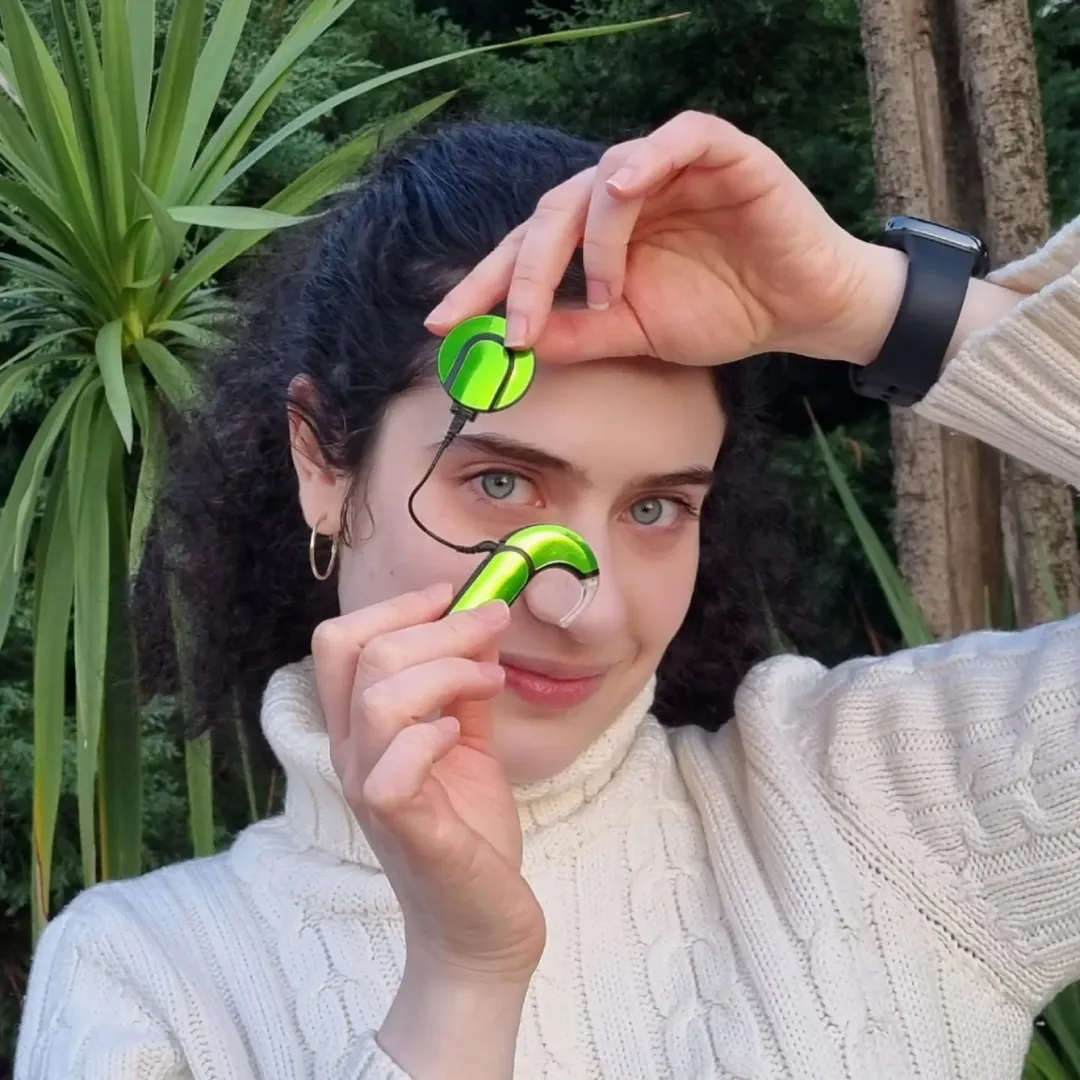
One of the most accessible and immediate methods for personalizing an audio processor is through MED-EL’s range of design covers. These snap-on accessories offer a simple yet impactful way to alter the visual appearance of the device. Available in an extensive palette of colors, intricate patterns, and diverse styles, these covers allow users to adapt their processor’s look to suit any occasion, outfit, or personal preference.

The versatility of design covers is a key feature. A user might opt for a vibrant, bold pattern to express an energetic mood or a playful disposition. Conversely, for a more subdued or professional setting, a classic, neutral design can be easily swapped in. The ease of switching these covers, often accomplished in mere moments, provides users with the flexibility to constantly refresh their device’s aesthetic. This constant potential for change ensures that the audio processor never becomes a monotonous fixture, but rather an adaptable element of their daily ensemble.
MED-EL’s product lines, including the SONNET series (specifically DL-Coils), RONDO 3, RONDO 2, SAMBA 2, and SAMBA, are all compatible with these interchangeable design covers. This broad compatibility ensures that a significant portion of their user base can benefit from this customization feature. Data from MED-EL’s internal market research, though not publicly disclosed in detail, indicates a strong uptake in the adoption of design covers among users who prioritize aesthetic expression. Consumer feedback frequently highlights the positive impact on self-perception and the initiation of conversations about their technology.
Design Skins: Unlocking Deeper Levels of Personal Expression
For individuals seeking an even more profound degree of customization, MED-EL offers design skins. These adhesive coverings provide a canvas for more intricate and personalized artwork. Users can adorn their audio processors with designs ranging from minimalist, elegant graphics to bold, attention-grabbing illustrations.
The application and removal of design skins are designed to be straightforward, empowering users to update their device’s look as frequently as their style dictates. This offers a dynamic way to reflect personal tastes, artistic inclinations, or even temporary interests. Whether a user desires a sleek, modern aesthetic, an artistic flair, or a playful, whimsical design, the availability of diverse skin options caters to a wide spectrum of preferences.
It is important to note that while MED-EL facilitates the availability of these design options, many of the more elaborate design skins are provided by third-party vendors. This collaborative approach allows for a wider range of creative input and potentially more unique, artist-driven designs to become accessible to the MED-EL user community. The emergence of these third-party collaborations represents a growing trend in the medical device industry, where specialized accessory providers are increasingly partnering with manufacturers to offer enhanced user customization.

CI Jewelry: Adding a Touch of Flair and Individuality
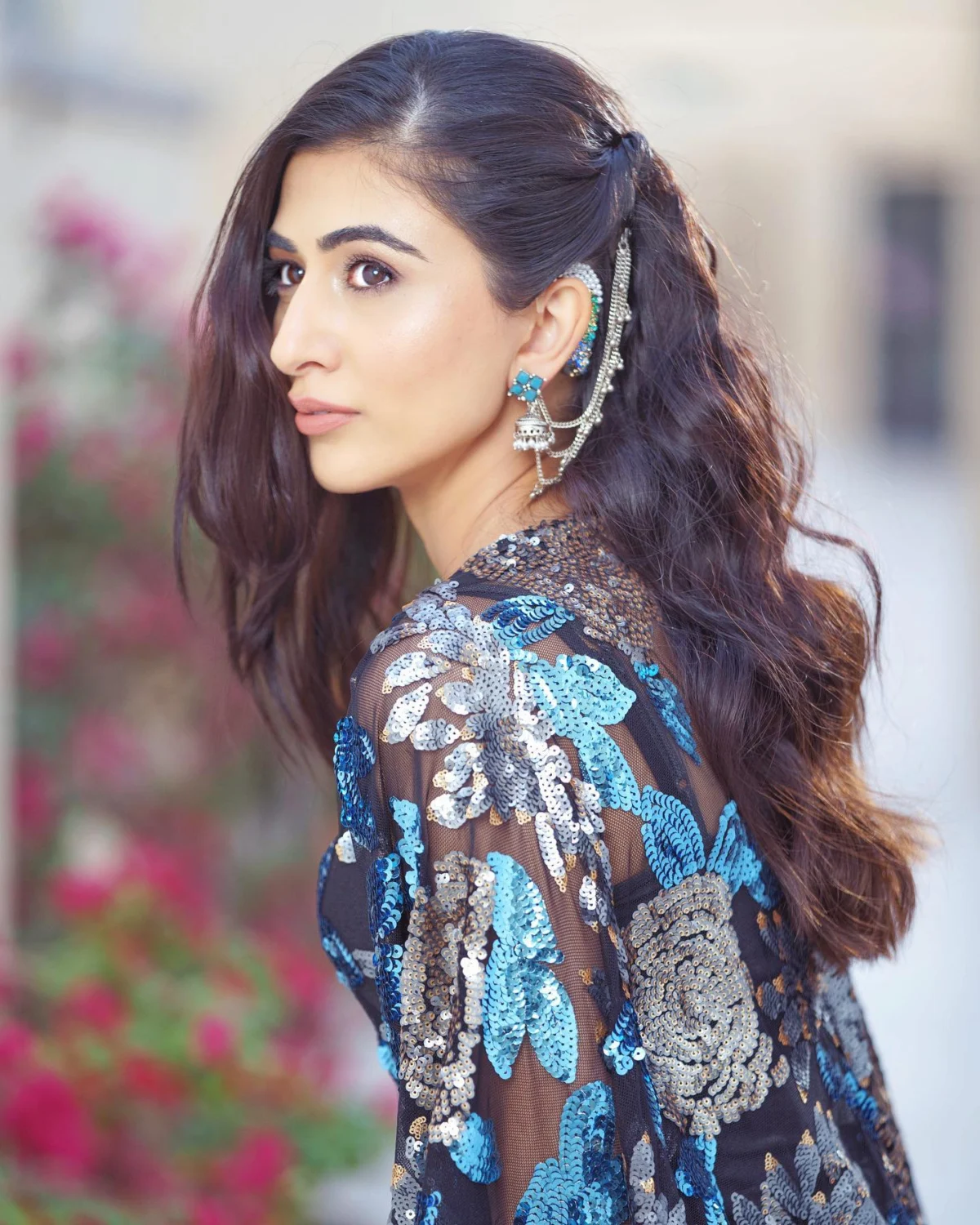
Beyond covers and skins, the realm of CI (Cochlear Implant) jewelry presents another avenue for personalization, particularly for users who appreciate decorative accents and a more bespoke aesthetic. These accessories are designed to attach to the audio processor, adding a unique twist that can range from subtly elegant to overtly statement-making.
The spectrum of CI jewelry encompasses a variety of styles. Some users may prefer understated embellishments that add a touch of sophistication, while others might opt for more prominent pieces that draw attention and serve as conversation starters. The availability of options that are playful, stylish, or even adorned with sparkle allows for a high degree of personal expression.
This trend is supported by specialized online retailers and artisan creators who focus on developing jewelry specifically for hearing implant users. Platforms like Deafmetal.store, which is referenced in MED-EL’s materials, exemplify this growing niche market. The ability to choose and change these jewelry pieces allows users to adapt their processor’s appearance to their evolving personal style, much like changing jewelry with an outfit. The emotional impact of wearing something that is not only functional but also beautiful and personally chosen cannot be overstated, contributing to a sense of empowerment and self-acceptance.
Integrating Technology with Lifestyle: The Broader Impact
The emphasis on personalizing audio processors extends beyond mere aesthetics; it is fundamentally about integrating advanced technology seamlessly into the fabric of daily life. By allowing users to imbue their devices with personal meaning and style, MED-EL fosters a deeper connection between the user and their hearing solution. This approach acknowledges that a hearing implant is not just a medical device but an integral part of an individual’s identity and social interaction.
The implications of this user-centric design philosophy are far-reaching. For children and adolescents, the ability to personalize their processors can significantly reduce feelings of self-consciousness and promote greater acceptance of their hearing devices. Studies in pediatric audiology have shown that when children feel proud of their assistive devices, they are more likely to wear them consistently and engage more fully in social activities. Similarly, for adults, personalization can combat any lingering stigma associated with hearing loss and hearing aids, transforming the device from a perceived "problem" into a statement of personal style.
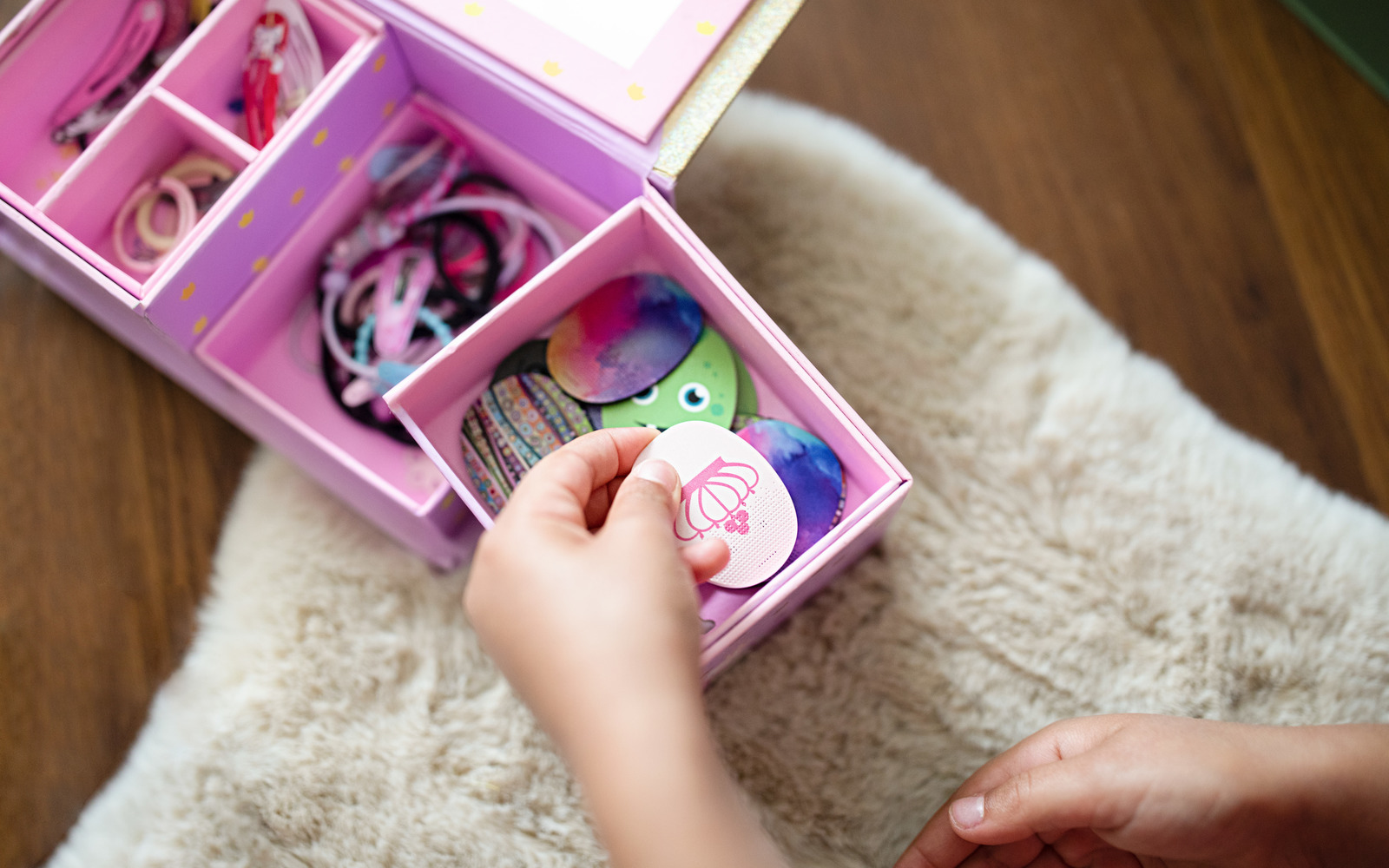
The broader impact can also be seen in how these customizable devices can normalize the presence of hearing technology in public spaces. As more individuals choose to express themselves through their audio processors, the devices become less alien and more integrated into the diverse tapestry of personal expression. This can lead to increased understanding and acceptance of hearing loss and the technologies that support individuals with hearing impairments.
A Timeline of Enhanced Customization
The evolution of MED-EL’s customization options can be traced through their product development and accessory launches:
- Early Stages (Pre-2010s): Focus on basic functionality and discreet designs. Limited or no aesthetic customization options were available.
- Mid-2010s: Introduction of basic color options for processors and initial development of simple, interchangeable covers for select models. Growing awareness of user desire for personalization.
- Late 2010s (circa 2018-2019): Significant expansion of design cover collections, introduction of more intricate patterns and color palettes. Emergence of third-party collaborations for design skins. Increased marketing emphasis on personalization as a key user benefit.
- Early 2020s (circa 2020-Present): Continued refinement of design cover offerings across multiple product lines (SONNET, RONDO, SAMBA). Enhanced integration with specialized CI jewelry providers. Development of user-friendly online portals and resources for exploring customization options. Ongoing research into user preferences and emerging design trends.
This timeline illustrates a deliberate and progressive strategy by MED-EL to enhance the user experience by prioritizing personalization alongside technological advancement.
Expert Perspectives and User Feedback
Professionals in the audiology field have largely welcomed the trend towards greater personalization of hearing devices. Dr. Anya Sharma, a leading audiologist specializing in cochlear implants, commented, "We’ve observed a significant positive impact on patient adherence and overall satisfaction when individuals feel empowered to express themselves through their hearing technology. It shifts the perception of the device from a medical necessity to a personal statement. MED-EL’s efforts in providing diverse customization options are commendable and align with best practices in patient-centered care."
User testimonials gathered from online forums and MED-EL’s feedback channels consistently echo this sentiment. Sarah Chen, a RONDO 3 user, shared, "I used to feel self-conscious about my processor, but since I started using the colorful design covers, I actually enjoy showing it off! It’s like another accessory to my outfit." Another user, David Lee, who opted for a custom design skin, stated, "The skin I chose perfectly represents my passion for astronomy. It’s amazing to have something so personal on a device that means so much to my ability to connect with the world."
The Future of Personalized Hearing Solutions
As technology continues to advance, the potential for even more sophisticated and integrated customization options is vast. This could include augmented reality interfaces for designing skins, AI-driven style recommendations, or even biomimetic designs that adapt to ambient environments. The current trajectory suggests that personalization will become an increasingly standard and expected feature in the development of hearing implant technology.
MED-EL’s commitment to empowering users to express themselves through their audio processors underscores a fundamental understanding: hearing well is crucial, but feeling confident, comfortable, and authentically oneself while doing so is equally vital. By offering a robust suite of customization tools, MED-EL not only enhances the functional performance of its devices but also enriches the overall lived experience of its users, making their journey towards better hearing a more personal, expressive, and empowering one.
This approach reflects a broader industry trend towards human-centered design in medical technology, where the end-user’s emotional and psychological well-being is given as much importance as the device’s technical efficacy. The ability to turn a medical necessity into a form of personal expression is a significant step forward in the field of assistive technology.