The Osia system is meticulously engineered to address the unique challenges faced by children and adults diagnosed with conductive hearing loss, mixed hearing loss, and single-sided deafness (SSD). Unlike traditional hearing aids that amplify sound through the ear canal, bone conduction systems work by bypassing damaged parts of the outer or middle ear, transmitting sound vibrations directly to the inner ear via bone. This mechanism makes them particularly effective for conditions where sound transmission through the conventional air-conduction pathway is impeded. Conductive hearing loss, for instance, often results from problems in the ear canal, eardrum, or middle ear bones, while mixed hearing loss combines elements of conductive and sensorineural loss. Single-sided deafness, a condition where one ear has little or no usable hearing, can profoundly impact spatial hearing and speech understanding in noisy environments, areas where bone conduction devices offer substantial benefit.
Understanding the Evolution of Bone Conduction Technology
The journey towards advanced bone conduction systems like the Osia 3 is rooted in decades of research and development aimed at overcoming the limitations of conventional hearing aids for specific patient populations. Early bone conduction devices were often bulky and offered limited sound quality. However, continuous innovation, particularly in implantable solutions, has transformed the landscape. Cochlear Limited has been a pivotal player in this evolution, dedicating extensive resources to research and development since its inception. Professor Graeme Clark’s pioneering work in multi-channel cochlear implants, spurred by his father’s hearing loss, laid the foundation for a company deeply committed to restoring hearing. Since 1981, Cochlear has been at the vanguard, helping over 750,000 people globally reconnect with the world of sound. The Osia system, introduced as an active transcutaneous bone conduction implant, marked a significant departure from previous passive systems, offering superior power and sound quality by directly vibrating the bone. The FDA clearance of the Osia 3 Sound Processor builds upon this robust legacy, integrating cutting-edge features designed to further optimize the user experience.
Key Innovations Driving the Osia 3 Sound Processor
The Osia 3 Sound Processor retains the foundational strengths of its predecessors, including the proprietary high-frequency Piezo Power™ performance, which is crucial for delivering crisp, clear high-frequency sounds that are often challenging for individuals with hearing loss to perceive. Its MRI compatibility at both 1.5 and 3 Tesla (T) is a critical advantage, offering patients the peace of mind that they can undergo essential medical imaging procedures without compromising their hearing implant, provided specific guidelines are followed. This compatibility is a testament to sophisticated engineering, as metallic implants can pose significant challenges in MRI environments. Furthermore, the Osia system has consistently demonstrated high reliability, a key factor for devices that are intended for long-term use and integrate deeply into a user’s daily life.
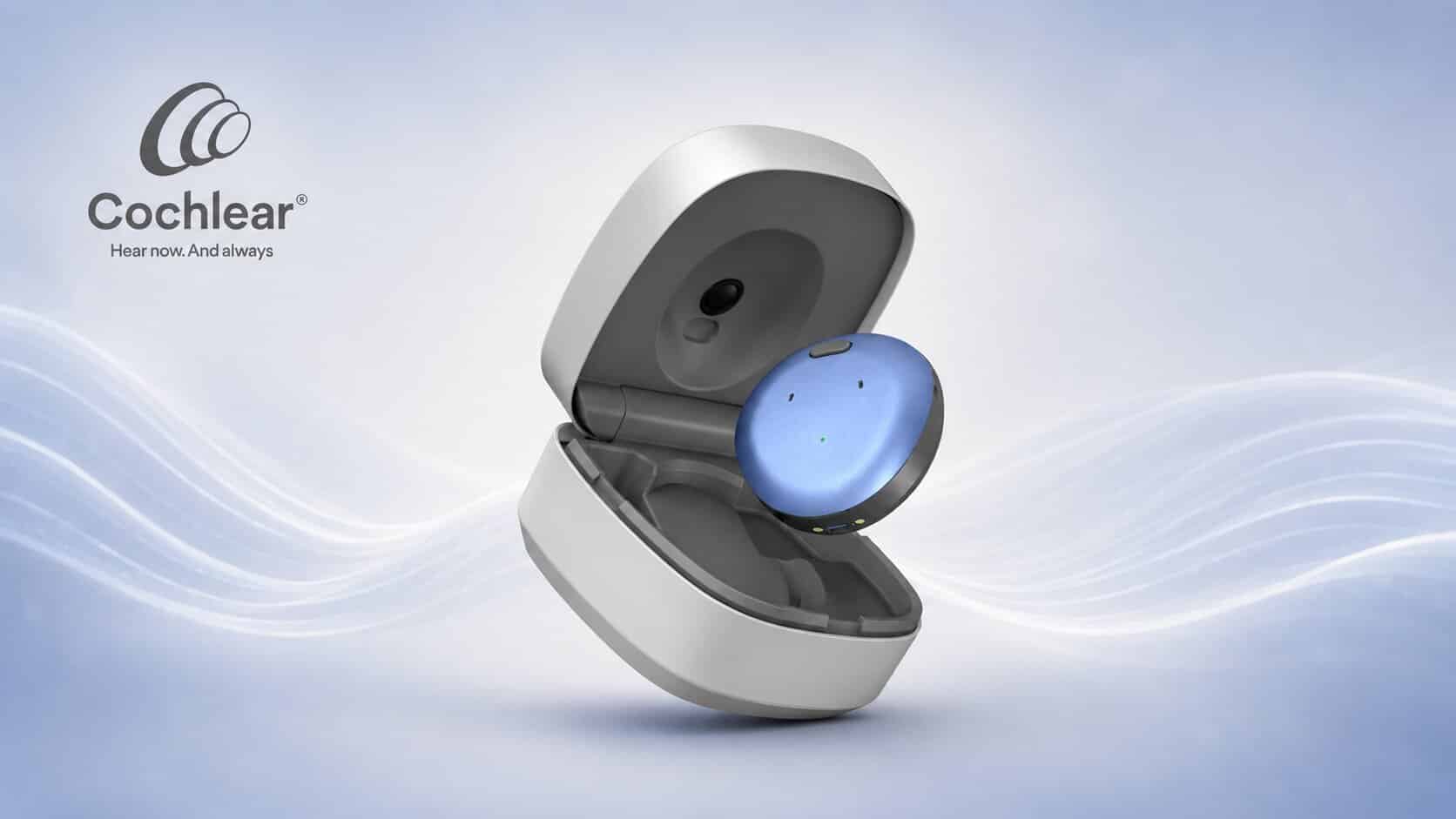
However, the Osia 3 introduces several transformative enhancements that set it apart:
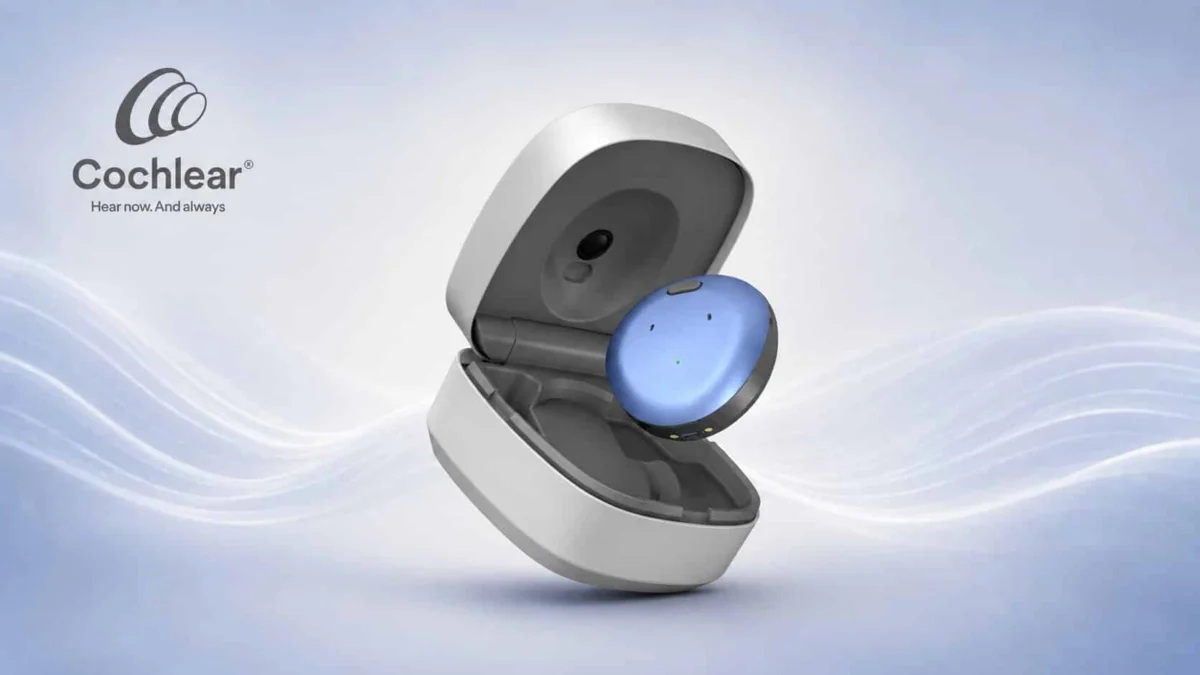
- First Fully Rechargeable Active Bone Conduction Sound Processor: A landmark feature, the Osia 3 is the first active bone conduction sound processor to offer a fully rechargeable design. This innovation eliminates the ongoing need to purchase, carry, and dispose of single-use batteries, significantly enhancing user convenience and reducing environmental impact. With a single charge, the device provides up to 30 hours of hearing, catering to a full day’s activities and beyond. The accompanying portable charging case offers multiple additional charges, ensuring users remain connected even when away from a power source. This shift to rechargeable technology aligns with broader consumer electronics trends and addresses a long-standing desire among hearing device users for greater autonomy and ease of use.
- Expanded Fitting Range: The integration of a lithium-ion battery and updated internal hardware has significantly extended the device’s fitting range. The Osia 3 can now accommodate bone conduction thresholds of up to 65 dB HL (decibels Hearing Level) in the mid- to high-frequency range. This expansion means that a wider spectrum of individuals with more profound levels of conductive or mixed hearing loss can now benefit from the Osia system, opening doors to improved hearing for a greater number of patients who previously might not have been suitable candidates. Clinical studies cited by Cochlear have corroborated these advancements, indicating improved speech understanding and a clear preference for the sound quality of the Osia 3 compared to the previous generation, underscoring the tangible benefits of these design modifications.
Advanced Signal Processing and Unprecedented Connectivity
At the heart of the Osia 3’s enhanced performance lies the new Zaphium™ signal processing chip. This advanced chip provides a wider frequency bandwidth, allowing for a richer and more detailed sound experience. Crucially, it incorporates Cochlear’s ForwardFocus technology, an intelligent feature designed to assist listening in challenging, noisy environments by attenuating background noise and focusing on sounds from the front. In Cochlear-sponsored clinical research, an impressive 97% of participants reported being satisfied or very satisfied with the device’s overall sound quality, a testament to the effectiveness of the Zaphium chip and integrated processing algorithms.
Beyond internal processing, the Osia 3 Sound Processor redefines connectivity for bone conduction devices. It supports direct streaming from a broad array of smart devices, including Apple®, Android™, and upcoming Bluetooth® LE Audio-enabled devices. This seamless integration allows users to directly stream calls, music, podcasts, and other audio content to their sound processor, transforming it into a versatile personal audio device.
A particularly forward-looking feature is its support for Auracast™ broadcast audio. As this groundbreaking technology gains wider adoption, Osia 3 users will be able to connect to compatible shared audio streams in public venues such as cinemas, concert halls, lecture theatres, and airports. This innovation promises to unlock a new level of accessibility and immersion in public spaces, enabling users to hear announcements, performances, or presentations directly and clearly, without the interference of ambient noise. This integration highlights Cochlear’s commitment to future-proofing its devices and anticipating the evolving needs of its users in an increasingly connected world.
Patient-Centric Design and Remote Care Capabilities
The impact of these technological advancements on individual lives is profound, as articulated by Dr. Fred Wamboldt, an Osia 3 System recipient. "I cannot do justice how much of an incredible transformation the Cochlear Osia System has been to me," Dr. Wamboldt shared. His vivid description of rediscovering the nuances of music, "The horns were to my left, the saxophone to my right, the drums coming behind me, it was amazing," powerfully illustrates the qualitative improvement in hearing and the restoration of a fuller, richer auditory experience. Such testimonials underscore Cochlear’s patient-first philosophy.
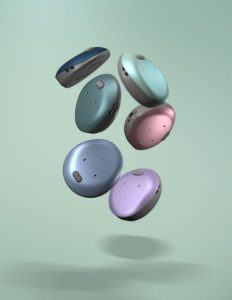
Lisa Aubert, President of Cochlear North America, reiterated this commitment, stating, "We put recipients at the heart of everything we do, and this innovation represents our continued commitment to transforming their hearing experience." This sentiment reflects a broader industry trend towards personalized care and solutions that genuinely enhance daily living.
Further enhancing the patient experience is the integration of wireless fitting technology and enhanced data logging, which support remote programming and follow-up through Cochlear’s Remote Care platform. This capability allows qualified clinicians to make sound processor adjustments during secure video appointments when clinically appropriate, significantly improving accessibility for patients, especially those in rural areas, with mobility challenges, or who simply prefer the convenience of telehealth. Remote Care has become increasingly vital in modern healthcare, particularly in the wake of global health events, ensuring continuity of care and personalized adjustments without the need for frequent in-person visits.
Market Availability and Broader Implications
The Osia 3 Sound Processor is anticipated to become available in the United States in early fall, with availability in other countries subject to respective regulatory approvals. This phased rollout is standard for medical devices, ensuring compliance with diverse national healthcare regulations. Importantly, eligible existing Osia System recipients can upgrade to the Osia 3 Sound Processor, regardless of which compatible Osia implant model they currently use, ensuring that the benefits of this new technology are accessible to a broad base of Cochlear’s existing community.
The introduction of the Osia 3 has several significant implications for the hearing healthcare market and for individuals with hearing loss:
- Enhanced Accessibility: The expanded fitting range means that more people can benefit from active bone conduction technology, potentially reducing the number of individuals whose hearing loss was previously untreatable by such devices.
- Improved Quality of Life: The combination of superior sound processing, extended battery life, and advanced connectivity features promises a significantly improved auditory experience, leading to better communication, greater participation in social activities, and overall enhanced well-being.
- Technological Leadership: By integrating cutting-edge features like Auracast™ and robust remote care capabilities, Cochlear reinforces its position as an innovator, setting new benchmarks for implantable hearing solutions.
- Sustainability and Convenience: The rechargeable design addresses both user convenience and environmental concerns associated with disposable batteries, aligning with contemporary values of sustainability.
- Future-Proofing: The support for Bluetooth LE Audio and Auracast™ ensures that the Osia 3 is well-prepared for future advancements in wireless audio technology, offering long-term value to users.
Cochlear Limited’s ongoing commitment to innovation is evident in its substantial investment in research and development, exceeding AUD$3 billion to date. With a global workforce of over 5,500 people, the company remains dedicated to its founding principle: connecting people with life’s opportunities and welcoming them to the world’s largest hearing implant community. The Osia 3 Sound Processor is not merely a new device; it represents Cochlear’s continued pursuit of pushing technological boundaries to help more people hear, fostering a future where hearing loss is no longer a barrier to living a full and connected life. The FDA clearance of the Osia 3 Sound Processor marks a pivotal moment, signaling a new era of possibilities for those relying on bone conduction hearing solutions.