The Strategic Role of Information Architecture in Public Services
Information architecture is traditionally defined as the practice of deciding how to arrange the parts of something to be understandable. In the context of government digital services, this involves planning and designing the research activities that allow teams to understand how users categorize information. At GDS, this role has evolved from simple sitemapping to a sophisticated discipline that bridges the gap between raw data and user experience.
According to Becky Ashley, Lead Information Architect at GDS, the primary challenge is embedding accessibility into the organizational culture at every level. This requires a transition from seeing accessibility as a final "check-box" exercise to treating it as a core component of the architectural process. By integrating accessibility into internal workflows and fostering a collective mindset, organizations can create systems that are inherently intuitive.
Sally Creasey, Senior Information Architect, emphasizes that advocacy is the cornerstone of this transition. She argues that involving stakeholders and colleagues early in the process ensures that the "knowledge organization systems"—such as ontologies and taxonomies—are not developed in a vacuum. Without this collaborative approach, digital services risk failing the very people they are intended to serve, particularly those with complex access needs.
The Three Pillars: Ontology, Taxonomy, and Choreography
A central theme in the GDS approach is the breakdown of information architecture into three distinct but interconnected pillars: ontology, taxonomy, and choreography. Senior Information Architect Rik Williams notes that prioritizing accessibility requires deliberate user-centered design across these three areas.
- Ontology (What the information is): This involves defining clear and consistent concepts. Accessible ontologies are vital for users with cognitive disabilities or those with limited domain knowledge, as they ensure that the "meaning" of information remains stable across different sections of a service.
- Taxonomy (How it is organized): Inclusive taxonomies focus on predictable and logical structures. For users who rely on screen readers or those with mobility impairments, a logical hierarchy allows for more efficient navigation.
- Choreography (How users interact over time): This pillar focuses on the flow of information across different channels and contexts. It ensures that keyboard users have a logical tabbing order and that all users encounter consistent navigation patterns and clear calls to action.
By addressing these three pillars, IAs create "deeply usable" systems. The GDS experts contend that deep usability is the fundamental precursor to accessibility; a system that is confusing for a neurotypical user becomes entirely impassable for someone with cognitive or sensory impairments.
Historical Context and Regulatory Framework
The focus on digital accessibility within the UK government is not a recent trend but the result of over a decade of evolving standards. The GDS was established in 2011 with the mandate of "Digital by Default," but it was the introduction of the Public Sector Bodies (Websites and Mobile Applications) (No. 2) Accessibility Regulations 2018 that provided the legal impetus for the current standards.
These regulations require public sector websites and apps to be perceivable, operable, understandable, and robust (the POUR principles). Since the 2018 mandate, the UK government has been required to publish accessibility statements and meet the international WCAG 2.1 (and now 2.2) AA standards. The "Unlocking Accessibility" series represents the next phase of this evolution: moving beyond legal compliance toward a "universal design" philosophy.
The importance of this work is underscored by national statistics. According to the Office for National Statistics (ONS), approximately 16 million people in the UK reported having a disability in 2023, representing nearly 24% of the population. Furthermore, the "digital divide" remains a significant concern, as people with disabilities are statistically less likely to have high levels of digital literacy, making the clarity of information architecture a matter of social equity.
Educational Frameworks and Collaborative Design
Educating cross-disciplinary teams—including developers, content designers, and product managers—is a significant portion of the IA’s remit. Becky Ashley suggests using the POUR principles as a shared language to bridge the gap between different skill sets.
- Perceivable: Ensuring information and UI components are presentable to users in ways they can perceive.
- Operable: Ensuring UI components and navigation are functional.
- Understandable: Ensuring the information and operation of the UI are clear.
- Robust: Ensuring content can be interpreted reliably by a wide variety of user agents, including assistive technologies.
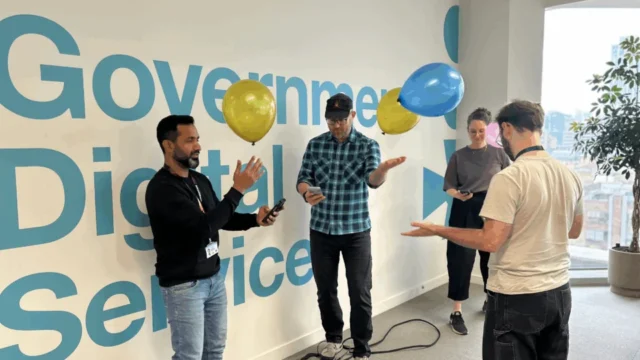
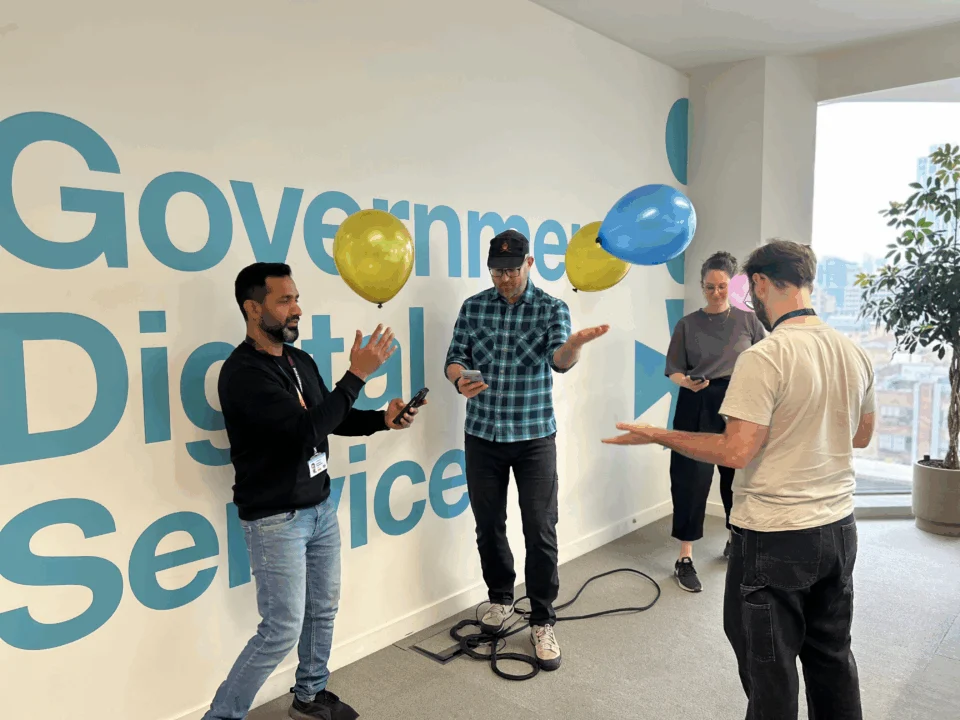
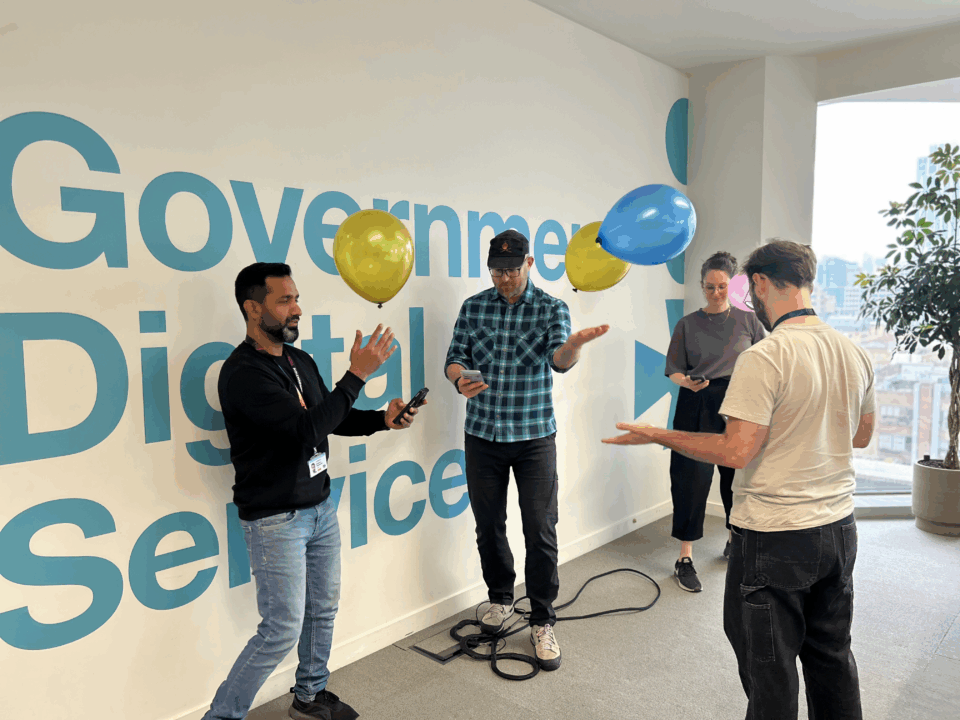
To foster empathy among design teams, Rik Williams discusses the use of simulations. These include "empathy balloons"—a game designed to simulate the cognitive load and dexterity issues faced by some users—as well as the use of vision-impairing glasses or motor-control limiting gloves. However, Williams cautions that while these tools are valuable for building initial awareness, they have limitations and should never replace direct research with people who have lived experience of disabilities.
Avoiding Common Pitfalls in Digital Design
The GDS experts identified several recurring "pitfalls" that can compromise the accessibility of a digital service. Sally Creasey points out that many organizations mistakenly organize information based on their internal department structures rather than the mental models of the users. This "organizational-centric" design often leads to the use of jargon and the creation of overlapping sections, which Creasey describes as the "paradox of choice."
Another significant risk is the "static" mindset—the belief that once an information structure is built, the work is finished. Becky Ashley argues for a continuous feedback loop, where labels and metadata are constantly iterated upon based on user feedback. In the world of IA, labels are not just text; they function as accessible metadata that allows code and content to flex to changing needs.
For users with cognitive impairments, the hierarchy of steps in a service flow is critical. Rik Williams highlights the importance of "progressive disclosure"—the practice of revealing information only as it is needed. This prevents users from becoming overwhelmed by a "wall of data" and allows those with limited ability to focus or process information to complete tasks successfully.
Tools, Processes, and the Impact of Emerging Technology
The toolkit for a modern Information Architect includes several specialized techniques. Sally Creasey highlights "noun and verb foraging," "card sorting," and "tree testing" as essential methods for understanding user language. These processes help ensure that the terminology used in a service matches the terminology used by the public.
Looking toward the future, the integration of Artificial Intelligence (AI) and Object-Oriented Design (OOD) is expected to further transform accessibility. Williams notes that OOD allows for the creation of information environments built around tangible, standardized "objects." This creates a level of consistency that benefits all users but is particularly helpful for those using assistive technologies that require structured data to function correctly.
Furthermore, the rise of AI offers opportunities to serve highly relevant, tailored content to users via their preferred channels. By investing in high-quality metadata today, IAs are laying the groundwork for future systems that can automatically adjust their presentation based on a user’s specific access needs.
Analysis of Broader Implications
The approach shared by the GDS Information Architects suggests a shift in how the public sector views digital infrastructure. By treating information architecture as a primary tool for accessibility, the government is acknowledging that the "usability" of a service is determined long before a single pixel is placed on a screen or a line of code is written.
This structural focus has broader implications for the efficiency of government. Services that are easier to navigate reduce the burden on traditional support channels, such as telephone helplines and physical offices. When a citizen can successfully navigate a complex tax or benefits portal independently because the underlying architecture is logical and accessible, it represents a significant cost saving for the taxpayer and a more dignified experience for the citizen.
As the "Unlocking Accessibility" series continues, it serves as a blueprint for other sectors—including finance, healthcare, and retail—to re-evaluate their own digital architectures. The consensus from the GDS team is clear: accessibility is not an add-on; it is the result of deliberate, empathetic, and structured design that begins at the very roots of information organization.